


When you compare ni 43-101 vs. jorc code, you see both aim to bring transparency and accountability to the global mining industry. You rely on these codes to trust mining technical reporting, especially when investing across borders. High adoption rates in regions like Australia and North America show how global mining investors value transparency.
Region | Adoption Rate of JORC 2026 (%) [est.] | Key Reporting Changes (2026) | Transparency Level (1–5) |
|---|---|---|---|
Australia | Mandatory digital submissions, ESG integration, stricter Competent Person rules | 5 | |
North America | 86% | Cross-recognition with NI 43-101, increased tech and ESG reporting | 4 |
Africa | 69% | ESG mandates, digital monitoring, country-by-country adaptation | 3 |
Asia | 63% | Increased digital reporting, pilot ESG programs, growing adoption | 3 |
South America | 54% | Gradual JORC alignment, local ESG considerations | 2 |
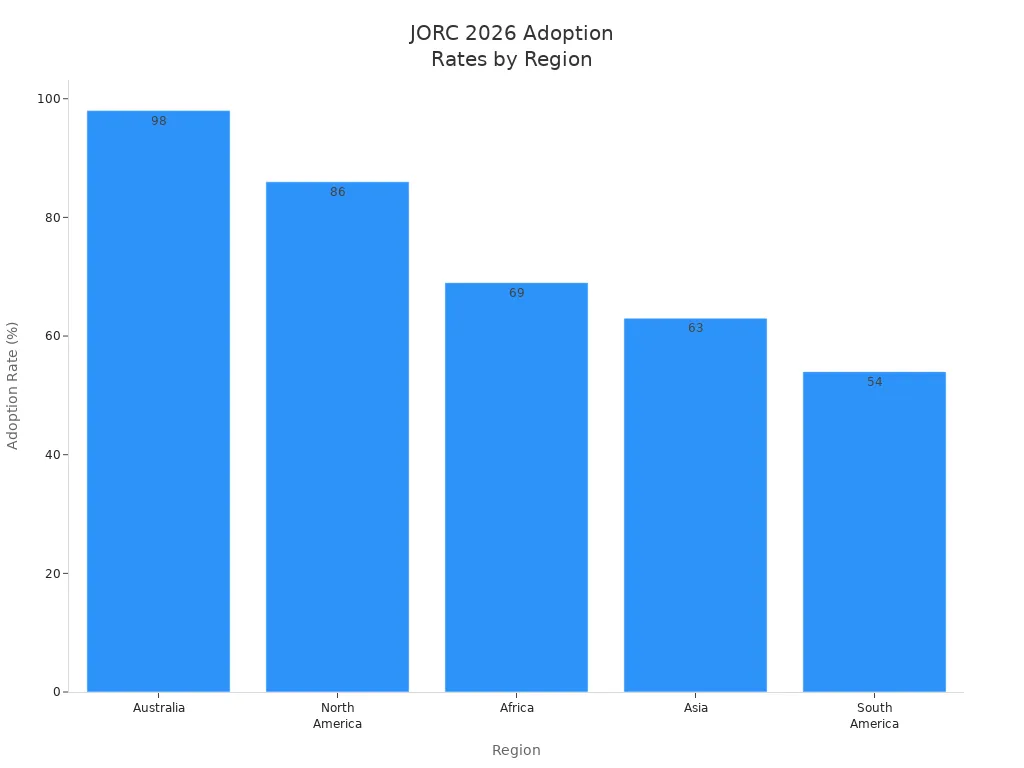
You see how ni 43-101 and jorc code set the foundation for transparency, making technical reports clearer and more reliable for investors in mining. Understanding these codes helps you evaluate risk and opportunity in the global mining industry.
Table of Contents
Key Takeaways
NI 43-101 and JORC Code promote transparency in mining reports, helping investors trust the information.
Technical reports follow a structured format, making it easier to compare mining projects across regions.
Always check if a mining report follows recognized standards to avoid unreliable data.
Qualified Persons and Competent Persons ensure the accuracy of technical reports, providing expert oversight.
Resource classification systems help you understand the confidence level in mineral estimates, guiding investment decisions.
ESG factors are increasingly important in mining reports, reflecting a company’s commitment to sustainability.
Stay informed about global trends in mining reporting to make better investment choices.
Regular updates to technical reports keep you informed about changes in mining projects and market conditions.
Mining Technical Reports Overview
Purpose and Scope
When you explore the world of mining, you quickly realize that technical reports serve as the backbone of project evaluation. These documents give you a structured, comprehensive view of a mining project’s potential, risks, and opportunities. Technical reporting standards ensure that every report follows a consistent format, making it easier for you to compare projects across different regions and companies.
A typical mining technical report includes a wide range of sections that cover every aspect of a project’s lifecycle. Here’s what you usually find:
Title Page and Summary
Table of Contents
Introduction and Terms of Reference
Reliance on Other Experts
Property Description and Location
Accessibility, Climate, Local Resources, Infrastructure, and Physiography
History
Geological Setting and Mineralization
Exploration
Drilling
Sample Preparation, Analyses, and Security
Data Verification
Mineral Processing and Metallurgical Testing
Mineral Resource Estimates
Mineral Reserve Estimates
Mining Methods
Recovery Methods
Project Infrastructure
Market Studies and Contracts
Environmental Studies, Permitting, and Social or Community Impact
Capital and Operating Costs
Economic Analysis
Adjacent Properties
Other Relevant Data and Information
Interpretation and Conclusions
Recommendations
References
Date and Signature of Qualified Person
This structure helps you understand not only the technical details but also the broader context, such as environmental and social impacts, which are increasingly important in today’s mining industry.
Importance for Investors
As an investor, you depend on mining technical reports to make informed decisions. These reports provide the transparency you need to assess the true value and risk of a mining project. When you review a report prepared under recognized technical reporting standards, you gain confidence that the information is accurate and complete.
Type of Report | Contribution to Investment Decision-Making |
|---|---|
Competent Person’s Report (CPR) | Provides an independent evaluation of a company’s assets, essential for IPOs and M&A, ensuring transparency and risk assessment. |
Technical Due Diligence (TDD) | Appraises technical aspects of a project, identifying risks and opportunities that affect feasibility and success. |
You see that standards like NI 43-101 require public companies in Canada to disclose technical and scientific information, which underpins stakeholder confidence. Other mineral technical reporting standards, such as JORC and SAMREC, require similar independent evaluations for reporting mineral resources and reserves. This level of transparency allows you to compare projects globally and identify those that align with your investment strategy.
Tip: Always check if a mining technical report follows recognized standards. This step helps you avoid projects with incomplete or unreliable data.
International Standards
Mining operates on a global scale, so you need technical reporting standards that support comparability and consistency. Internationally, several standards guide how companies prepare and disclose mining technical reports. These include NI 43-101 in Canada, the JORC Code in Australia, and SAMREC in South Africa. Each standard sets out requirements for reporting mineral resources and reserves, ensuring that you receive reliable information no matter where a project is located.
You also encounter other standards that address specific aspects of mining, such as tailings dam safety and environmental management. For example:
Standard | Key Features | Conformance |
|---|---|---|
ICOLD | Focuses on technical guidance for tailings dams throughout the mine life cycle. | Not required |
GISTM | Emphasizes safety and failure prevention with auditable standards. | Mandatory for ICMM members |
CDA | Five core principles for dam safety, adopted by some regulatory agencies. | Some jurisdictions require conformance |
MAC | Supports TSM initiative for environmental and social risk management. | Mandatory for MAC members |
By understanding these technical reporting standards, you position yourself to evaluate mining projects with greater clarity and confidence. This knowledge supports your ability to identify opportunities, manage risks, and contribute to a more transparent and responsible mining sector.
NI 43-101 Reporting Basics
Background and Purpose
When you look at the foundation of ni 43-101, you see a standard that shapes how mining companies share information with investors. National instrument 43-101 came into effect after several high-profile mining scandals in the late 1990s. These events highlighted the need for strict rules to protect investors and ensure accurate reporting. The Canadian Securities Administrators created ni 43-101 to set clear requirements for public disclosure of scientific and technical data about mineral projects.
You can see the main aspects of ni 43-101 in the table below:
Aspect | Details |
|---|---|
Regulatory Authority | Canadian Securities Administrators |
Purpose | Establishes standards for public disclosure of scientific and technical information concerning mineral projects |
Related Standards | CIM Definition Standards for Mineral Resources and Mineral Reserves |
National instrument 43-101 works closely with the CIM Definition Standards. These standards help you understand how companies classify mineral resources and reserves. When you read a technical report ni 43-101, you know it follows a recognized framework that supports transparency and comparability in mining.
Key Principles
You rely on ni 43-101 to guide how companies prepare and present mining information. The standard requires companies to use qualified professionals and follow strict rules for reporting. This approach ensures that every technical report ni 43-101 meets high standards for accuracy and completeness.
Here are some key principles and requirements you should know:
Key Principle/Requirement | Description |
|---|---|
Companies must use Qualified Persons to prepare and validate technical reports, ensuring accuracy and compliance with industry standards. | |
Terminology Changes | Removal of definitions for ‘early stage’ and ‘advanced properties’ to apply the standard to all project stages. |
Life of Mine Plan | Introduction of a life of mine plan as a technical and economic study for existing operations, incorporating detailed assessments. |
Environmental and Social Considerations | Proposed changes to address environmental and social issues, enhancing closure planning and stakeholder engagement. |
You see that ni 43-101 now covers all stages of mining projects. The standard also requires companies to include life of mine plans in their technical report ni 43-101. These plans give you a long-term view of a project’s economic and technical outlook. You also benefit from new rules that address environmental and social factors, which are important for responsible mining.
Tip: Always check if a technical report ni 43-101 includes a life of mine plan. This section helps you understand the project’s full potential and long-term risks.
Qualified Person Role
You depend on the expertise of Qualified Persons when you read a technical report ni 43-101. National instrument 43-101 defines a Qualified Person as someone with the right education, experience, and professional credentials in mining or geology. This person must belong to a recognized professional association and have relevant experience with the type of deposit and activity described in the report.
The role of the Qualified Person includes:
Preparing or supervising the preparation of the technical report ni 43-101.
Ensuring all data and interpretations meet ni 43-101 standards.
Signing off on the technical report ni 43-101 to confirm its accuracy.
When you see a technical report ni 43-101 signed by a Qualified Person, you gain confidence in the reliability of the information. The Canadian Securities Administrators monitor compliance, so you know that companies must follow the rules or face penalties. This system protects you and supports trust in the mining sector.
Disclosure Requirements
You need to understand the disclosure requirements set by ni 43-101 if you want to evaluate mining projects with confidence. These rules shape how companies present information in every technical report ni 43-101. The ni 43-101 standard requires full, true, and plain disclosure of all material facts about a mining project. This means you get a clear picture of the risks, opportunities, and technical details before you make any investment decisions.
When you read a technical report ni 43-101, you see that companies must disclose information at every stage of a mining project. This includes exploration, development, and production. The ni 43-101 rules cover everything from mineral resource estimates to environmental risks. You will notice that companies cannot leave out important facts or use language that could mislead you. If a company wants to release new information, it must update its technical report ni 43-101 and file it with the regulators.
Here are some key disclosure requirements you should look for in a technical report ni 43-101:
Clear statements about the status and stage of the mining project
Details about mineral resources and reserves, including how they were estimated
Descriptions of the geology, mining methods, and processing plans
Information about environmental, social, and permitting issues
Economic analysis, including costs and projected returns
Note: You should always check if the technical report ni 43-101 is current. Outdated reports may not reflect recent changes in the mining project or market conditions.
The ni 43-101 standard also requires companies to use plain language. This helps you understand complex mining concepts without needing a technical background. If you see a technical report ni 43-101 that uses unclear terms or omits key facts, you should question its reliability.
Resource Classification
Resource classification is a core part of ni 43-101 and plays a big role in how you assess mining projects. The technical report ni 43-101 must follow strict guidelines for classifying mineral resources and reserves. This system helps you compare different mining projects and understand the level of confidence in the reported numbers.
The ni 43-101 standard uses three main categories for mineral resources:
Category | Description |
|---|---|
Inferred | Lowest confidence; based on limited sampling and geological evidence |
Indicated | Moderate confidence; enough data for mine planning and economic studies |
Measured | Highest confidence; detailed sampling and analysis support the estimate |
For mineral reserves, ni 43-101 uses two categories:
Probable Reserves: Based on indicated resources and reasonable assumptions about mining and processing.
Proven Reserves: Based on measured resources with the highest level of confidence.
You should always check which category a mining company uses in its technical report ni 43-101. Higher confidence categories usually mean lower risk, but you still need to consider other factors like market trends and operational challenges. The ni 43-101 classification system gives you a common language for comparing mining projects worldwide.
Tip: When you review a technical report ni 43-101, look for clear tables and explanations of how the company classified its resources and reserves. This transparency supports better investment decisions and reflects the high standards set by ni 43-101.
JORC Code Overview
History and Scope
When you explore the landscape of mining reporting, you encounter the JORC Code as a cornerstone for the industry in Australia and many other regions. The JORC Code, first introduced in 1989, set out to bring order and trust to the way companies disclose information about mineral projects. You see its influence extend beyond Australia, shaping mining reporting practices in Asia, Africa, and even parts of Europe. The code responds to the need for reliable, consistent, and transparent reporting of mineral resources and reserves. Over time, the JORC Code has evolved, adapting to new challenges in mining, such as environmental responsibility and technological innovation. You notice that the code covers all stages of mining, from early exploration to production, ensuring that every report you read follows a recognized structure and meets high standards.
Core Principles
You rely on the JORC Code to guide how mining companies communicate with investors and stakeholders. The code rests on three core principles: transparency, materiality, and competence. These principles ensure that you receive all relevant information, understand the significance of what is reported, and trust that qualified professionals have prepared the reports. The JORC Code also requires clear reporting of exploration results, classification of mineral resources, and disclosure of assumptions and risks. This approach helps you compare mining projects across borders and make informed decisions.
Here is a summary of the core principles and requirements:
Core Principle/Requirement | Description |
|---|---|
Transparency | Ensures that all relevant information is disclosed to stakeholders. |
Materiality | Focuses on significant information that could influence decisions. |
Competence | Requires reports to be prepared or reviewed by a qualified professional. |
Reporting of Exploration Results | Must include significant findings with details on location, depth, and assay results. |
Classification of Mineral Resources | Divided into Inferred, Indicated, or Measured based on geological confidence. |
Classification of Ore Reserves | Classified as Probable or Proved, considering feasibility and costs. |
Disclosure of Assumptions and Risks | Requires transparency about material assumptions and potential risks. |
You see that the JORC Code gives mining companies flexibility in language, especially in early-stage reporting. This flexibility allows you to understand the unique aspects of each project, while still maintaining a high level of comparability with other standards like NI 43-101.
Competent Person Role
You depend on the expertise of the Competent Person when you read a mining technical report prepared under the JORC Code. The code defines a Competent Person as a professional geologist or mining engineer who belongs to a recognized professional body and has the necessary experience and proficiency in their field. This person takes responsibility for the accuracy and reliability of the information presented in the report.
Definition of Competent Person | Qualifications Required |
|---|---|
A professional geologist or mining engineer | Member of a relevant professional body, necessary experience, and proficiency in their field of expertise |
The Competent Person must use their judgment to classify mineral resources and reserves, assess risks, and ensure that all material facts are disclosed. You benefit from this system because it places accountability on individuals with proven expertise. The JORC Code’s emphasis on professional judgment and flexibility sets it apart from more rigid frameworks like NI 43-101. You gain a clearer understanding of mining projects, knowing that each report reflects both technical rigor and the practical realities of the industry.
Reporting Requirements
When you review a mining technical report under the JORC Code, you notice a clear structure that guides how companies present information. The JORC Code sets out detailed reporting requirements to ensure you receive reliable data about mineral projects. You see that these requirements help you compare projects across different regions and companies, which is essential for making informed decisions in mining.
The JORC Code requires companies to disclose all material information about mineral resources and reserves. You find that reporting must cover exploration results, estimates of mineral resources, and statements of ore reserves. Each section must include enough detail for you to understand the geology, sampling methods, and the assumptions behind the estimates. This level of transparency supports your ability to assess the quality and potential of a mining project.
You also see that the JORC Code expects companies to update their reporting as new information becomes available. If a company discovers new mineralization or changes its mining plan, it must revise its technical report. This ongoing process keeps you informed about the latest developments and reduces the risk of outdated or misleading data.
Here are some key elements you should look for in a JORC Code mining report:
Clear statements about the status of exploration and development
Detailed descriptions of geology, sampling, and data verification
Transparent reporting of mineral resources and ore reserves
Disclosure of risks, assumptions, and any limitations in the data
Updates when significant changes occur in the project
Tip: Always check if the mining report follows the latest JORC Code guidelines. This step helps you trust the information and compare it with reports prepared under other standards like NI 43-101.
The JORC Code also encourages companies to use plain language in their reporting. You benefit from this approach because it makes complex mining concepts easier to understand. When you see a well-prepared JORC report, you know that the company values transparency and accountability.
Resource Classification
Resource classification forms the backbone of reliable mining reporting. The JORC Code uses a clear system to categorize mineral resources and reserves based on the level of geological confidence and economic feasibility. You see three main categories for mineral resources: Inferred, Indicated, and Measured. Each category reflects how much is known about the mineral deposit and how certain the estimates are.
Inferred Mineral Resources: These have the lowest level of confidence. You see them based on limited geological evidence and sampling.
Indicated Mineral Resources: These offer a moderate level of confidence. You find enough data to support mine planning and preliminary economic studies.
Measured Mineral Resources: These provide the highest confidence. You see detailed sampling and analysis that support precise estimates.
For mineral reserves, the JORC Code uses two categories: Probable and Proved. Probable reserves come from indicated resources and involve reasonable assumptions about mining and processing. Proved reserves come from measured resources and represent the highest level of certainty.
You should always check which category a company uses in its mining reporting. Higher confidence categories usually mean lower risk, but you still need to consider other factors like market trends and operational challenges. The JORC Code’s resource classification system gives you a common language for comparing mining projects worldwide.
Note: When you review a mining report, look for clear tables and explanations of how the company classified its mineral resources and reserves. This transparency supports better investment decisions and reflects the high standards set by the JORC Code.
NI 43-101 vs. JORC Code: Key Differences

Regulatory vs. Professional Approach
When you compare ni 43-101 vs. jorc code, you notice a clear difference in how each system enforces mining reporting. In Canada, ni 43-101 stands as a legal requirement. The Canadian Securities Administrators oversee this standard, making sure every mining company follows strict rules. If a company does not comply, it faces penalties or even trading suspensions. This legal framework gives you confidence that every technical report meets a high standard of accuracy and transparency.
In contrast, the jorc code in Australia relies on a professional approach. The jorc code is not a law. Instead, it depends on the judgment and integrity of mining professionals. You see that companies must follow the code if they want to list on the Australian Securities Exchange, but enforcement comes from professional bodies rather than government regulators. This system trusts mining experts to act responsibly and maintain high standards.
Here is a table that highlights the structural and enforcement differences between ni 43-101 and jorc:
Aspect | NI 43-101 (Canada) | JORC (Australia) |
|---|---|---|
Legal Status | Legally binding under Canadian securities law | Not legally binding, relies on judgment |
Formatting Standards | Requires strict formatting and disclosure standards | Emphasizes flexible language |
Competent Person | Must be independent in many cases | Strong emphasis on the Competent Person’s judgment |
You benefit from the legal certainty of ni 43-101. You also gain from the flexibility and professional trust built into the jorc code. Both systems aim to protect you as an investor, but they use different paths to reach that goal.
Tip: Always check if a mining report follows the legal requirements of its country. This step helps you understand the level of oversight and reliability.
Qualified vs. Competent Person
The roles of the Qualified Person in ni 43-101 and the Competent Person in the jorc code form the backbone of reliable mining reporting. You depend on these experts to ensure that every technical report provides accurate and honest information about mineral projects.
In the ni 43-101 system, the Qualified Person must have specific qualifications. This person is usually a geologist, engineer, or metallurgist with years of experience in mining. The Qualified Person must belong to a recognized professional association. In many cases, ni 43-101 requires this expert to be independent from the company. This independence helps you trust the information in the report.
The jorc code uses the term Competent Person. This expert must also have deep experience in mining and belong to a professional body. The jorc code places strong emphasis on the Competent Person’s judgment. You see that this person must sign off on every report, taking personal responsibility for its accuracy.
Here is a table that compares the two roles:
Role | NI 43-101 (Qualified Person) | JORC Code (Competent Person) |
|---|---|---|
Qualifications | Must be a qualified geologist, engineer, or metallurgist | Recognized professionals in relevant fields |
Responsibilities | Certify technical reports ensuring integrity | Sign off on reports ensuring compliance with standards |
You should always look for the name and credentials of the Qualified Person or Competent Person in any mining report. This detail shows you that a trusted expert stands behind the numbers.
Note: If you cannot find information about the Qualified Person or Competent Person, you should question the reliability of the report.
Disclosure and Reporting
You rely on clear and complete disclosure when you read mining technical reports. The ni 43-101 standard sets strict rules for how companies must present information. Every technical report must follow a set format. You see detailed sections on geology, mineral resources, reserves, mining methods, and environmental risks. The ni 43-101 rules require companies to update reports whenever new material information appears. This process keeps you informed and reduces the risk of surprises.
The jorc code also values transparency, but it allows more flexibility in language and structure. You find that companies can tailor their reports to fit the unique aspects of each mineral project. The jorc code expects companies to disclose all material information, but it trusts the Competent Person to decide what is most important. This approach gives you a broader view of the project, especially in early exploration stages.
Both ni 43-101 and jorc aim to give you the facts you need to make smart investment decisions. However, ni 43-101’s strict format makes it easier for you to compare reports across different companies and projects. The jorc code’s flexible style helps you understand the story behind the numbers, especially when projects are complex or innovative.
If you want consistency and comparability, ni 43-101 offers a clear advantage.
If you value expert judgment and adaptability, the jorc code provides a useful perspective.
You should always read the full technical report, not just the summary. This habit helps you spot important details about mineral resources, mining plans, and potential risks.
Tip: Use both ni 43-101 and jorc code reports to build a complete picture of a mining project. Comparing both styles can reveal strengths and weaknesses that may not be obvious at first glance.
Resource Classification Systems
When you compare ni 43-101 vs. jorc code, you see that both systems use structured approaches to classify mineral resources and reserves. This classification helps you understand the confidence level in the reported numbers and the potential value of a mining project. You need to know how each code defines and separates categories, as this affects your ability to compare projects and assess risk.
In ni, you find three main categories for mineral resources: Inferred, Indicated, and Measured. These categories reflect increasing levels of geological confidence. For mineral reserves, ni uses Probable and Proven. Each category has strict requirements for data quality, sampling, and analysis. You can trust that a Measured resource in ni means the company has strong evidence and detailed studies to support its estimate.
The jorc code uses a similar structure. You see Inferred, Indicated, and Measured for mineral resources, and Probable and Proved for reserves. However, jorc allows more flexibility in how companies interpret and apply these categories. The Competent Person uses professional judgment to decide which category fits best, based on the available data and the nature of the deposit.
Here is a table to help you compare the two systems:
Category | NI 43-101 Definition | JORC Code Definition |
|---|---|---|
Inferred Resource | Lowest confidence, limited data | Lowest confidence, limited data |
Indicated Resource | Moderate confidence, more data | Moderate confidence, more data |
Measured Resource | Highest confidence, detailed study | Highest confidence, detailed study |
Probable Reserve | Based on Indicated, reasonable plan | Based on Indicated, reasonable plan |
Proven/Proved Reserve | Based on Measured, highest certainty | Based on Measured, highest certainty |
You notice that both ni and jorc require clear explanations of how companies classify mineral resources and reserves. This transparency helps you compare projects across borders and spot differences in reporting style. You should always check the tables and notes in a technical report to see how the company reached its conclusions.
Tip: When you review a mining report, look for the resource classification table. This section gives you a quick snapshot of the project’s reliability and potential.
Cross-Code Reliance
As a global investor, you often encounter mining projects that use both ni and jorc standards. Many companies operate in multiple countries and must comply with different reporting rules. You see that cross-code reliance has become more common as the mining industry grows more international.
You might find a technical report prepared under jorc that a Canadian company uses for ni disclosure, or vice versa. Regulators sometimes allow this cross-recognition if the report meets the core requirements of both systems. However, you need to pay close attention to the details. Not all definitions and disclosure practices match perfectly. For example, ni may require more frequent updates or stricter independence for the Qualified Person than jorc does for the Competent Person.
Here are some practical steps you can take when you encounter cross-code reports:
Check if the report clearly states which code it follows and whether it meets the requirements of both ni and jorc.
Look for any notes or disclaimers about differences in resource classification or disclosure.
Review the credentials of the Qualified Person or Competent Person to ensure they meet the standards of both codes.
Compare the resource tables to see if the categories align and if the estimates use similar assumptions.
You gain an advantage when you understand how ni 43-101 vs. jorc code interact. This knowledge helps you spot gaps, avoid misunderstandings, and make better decisions. You also see how the mining industry adapts to global markets by building bridges between different reporting systems.
Note: Always stay alert for updates in reporting standards. Both ni and jorc evolve over time, and cross-code reliance may change as new rules appear.
Mining Technical Reports: Investor Implications
Report Reliability
When you review mining technical reports, your ability to judge reliability shapes your investment decisions. You want to see more than just numbers and projections. Reliable reports under ni 43-101 or the JORC Code give you transparency and build confidence in the data. To assess reliability, you should:
Look for conservative assumptions in resource modeling.
Check if the resource model reflects actual site conditions, not just hopeful forecasts.
Confirm that metallurgical recoveries are supported by thorough testwork across all ore types.
Evaluate whether the strip ratio is realistic or only theoretical.
Make sure all infrastructure and logistics are included in the plan.
Assess if cost estimates fit the project’s location and scale.
See if worst-case scenarios are considered, not ignored.
You gain confidence when you see these elements addressed. Reports that meet ni 43-101 standards or follow the JORC Code offer transparency and help you avoid surprises. This approach supports investor confidence and allows you to compare projects with clarity.
Compliance and Risk
Compliance with ni 43-101 and the JORC Code reduces risk and increases transparency for investors. You want to know that companies follow strict standards, which enhances the credibility of mineral resource estimates. The table below shows how compliance affects your risk assessment:
Aspect | Description |
|---|---|
Credibility | Compliance with ni 43-101 and JORC Code enhances the credibility of mineral resource estimates. |
Transparency | Companies provide transparent and auditable reports that withstand scrutiny. |
Risk Reduction | Reduces uncertainties and potential risks associated with mining projects. |
You benefit from independent reviews that verify geology, resources, mine plans, and economics. Clear risk assessments and action plans give you confidence to make decisions. When companies comply with ni 43-101 or the JORC Code, you see transparency and gain investor confidence in their disclosures.
Cross-Border Investments
You face unique challenges when you invest across borders. Mining technical reports prepared under ni 43-101 or the JORC Code help you navigate these complexities, but you must remain vigilant. Different countries have their own legal frameworks and regulatory agencies. For example, the Brazilian market has a complex local legal system that can affect transaction viability. You need to engage local advisers to interpret legal nuances and ensure compliance.
You must also consider environmental and social governance risks, anti-corruption laws, and supply chain due diligence. Local legal expertise becomes critical for successful investments. By understanding the requirements of ni 43-101 and the JORC Code, you gain transparency and confidence, even when projects span multiple jurisdictions. This knowledge helps you manage risk and supports investor confidence in global mining ventures.
Case Examples
You often face complex decisions when you evaluate mining projects in different regions. Real-world examples help you understand how ni 43-101 and the JORC Code shape outcomes for investors. Let’s look at two scenarios that highlight the importance of reliable technical reporting.
Example 1: Canadian Gold Project – ni 43-101 in Action
Imagine you are reviewing a gold exploration project in Ontario. The company publishes a technical report under ni 43-101. You notice the report includes a detailed resource classification table, signed by a Qualified Person. The report explains the sampling methods, geological model, and economic assumptions. You see clear disclosure of environmental risks and permitting status. Because ni 43-101 requires regular updates, you find a recent amendment reflecting new drilling results. This transparency gives you confidence in the numbers and helps you compare the project with others in Canada.
Tip: When you see a technical report under ni 43-101, always check the date and the Qualified Person’s credentials. These details help you judge reliability.
Example 2: Australian Copper Project – JORC Code Flexibility
Now, you turn your attention to a copper project in Western Australia. The company uses the JORC Code for its technical report. You find that the Competent Person provides a narrative explaining the geological challenges and the rationale behind resource classification. The report includes tables for inferred, indicated, and measured resources, but also discusses uncertainties in early-stage exploration. You appreciate the flexibility of the JORC Code, which allows the Competent Person to address unique project risks. However, you must read carefully to understand the assumptions and limitations.
Project Location | Reporting Standard | Key Features for Investors |
|---|---|---|
Ontario, Canada | ni 43-101 | Strict format, regular updates, Qualified Person sign-off |
Western Australia | JORC Code | Flexible reporting, Competent Person judgment, narrative on risks |
Cross-Border Example: Dual-Listed Company
Suppose you encounter a mining company listed in both Toronto and Sydney. The company prepares technical reports under ni 43-101 and the JORC Code. You notice differences in resource classification and disclosure style. You must compare both reports, paying attention to how each standard defines measured and indicated resources. You also look for notes on cross-code reliance and any disclaimers about compliance. This process helps you spot gaps and make informed decisions.
Note: When you analyze cross-border projects, use both ni 43-101 and JORC Code reports to build a complete picture. This approach supports better risk management and market intelligence for investors.
You see that ni 43-101 and the JORC Code each offer strengths. By studying real examples, you learn to adapt your analysis and improve your strategic growth in the mining sector.
ESG and Mining Disclosure
ESG Integration in Technical Reports
You see esg becoming a central theme in mining technical reports. Investors, regulators, and communities now expect you to consider esg at every stage of a mining project. You notice that esg covers environmental, social, and governance factors. These elements shape how you evaluate risk, opportunity, and long-term value. You want to know how a company manages environmental impact reporting, community relations, and ethical governance.
You find that global standards and initiatives drive esg integration in mining. The table below shows how different frameworks influence esg reporting:
Regulatory Framework/Initiative | Description |
|---|---|
Dodd-Frank Act, Section 1502 | Requires disclosure of the origin of minerals sourced from conflict-affected areas. |
Extractive Industries Transparency Initiative (EITI) | Promotes transparency in payments to governments and adherence to environmental and social standards. |
Initiative for Responsible Mining Assurance (IRMA) | Focuses on independent verification of compliance with environmental and social standards. |
You see that esg considerations are now essential for operational success and sustainable development. You also notice that transparency in esg reporting supports innovation and market intelligence. As you review technical reports, you look for clear esg disclosures that cover the entire mine life cycle.
Tip: Always check if a technical report addresses esg risks and opportunities. This step helps you understand the company’s commitment to sustainability.
NI 43-101 and ESG
You observe that ni 43-101 is evolving to make esg more visible in mining technical reports. In Canada, new regulations and global sustainability trends push companies to improve esg integration. The modernization of ni 43-101 aims to align esg factors with international best practices. You see that esg now appears in technical reporting for any property, not just those with economic analysis.
The table below highlights recent changes in esg disclosure under ni 43-101:
Previous Requirement | New Requirement |
|---|---|
ESG disclosure was limited to reports with economic analysis | ESG disclosure is now permitted for any property |
No requirement to discuss impacts on indigenous peoples | Requirement to discuss impacts on indigenous peoples and rightsholders |
You notice that ni 43-101 now requires companies to discuss environmental impact reporting, social risks, and governance practices. You also see a focus on the rights of indigenous peoples and local communities. This shift supports responsible mining and helps you compare projects using consistent esg standards.
Note: When you read a technical report under ni 43-101, look for sections on environmental management, social engagement, and governance. These details show the company’s commitment to esg.
JORC Code and ESG
You find that the JORC Code also recognizes the importance of esg in mining reporting. The code encourages companies to disclose material esg risks and opportunities. You see that environmental impact reporting, social responsibility, and governance practices now appear in technical reports. The Competent Person must consider esg when classifying resources and reserves.
You notice that the JORC Code gives companies flexibility in how they report esg. This approach lets you see how each project addresses unique environmental and social challenges. You benefit from clear esg disclosures that help you assess long-term project viability and strategic growth.
Look for esg sections in JORC reports.
Check how companies address environmental risks, community relations, and governance.
Compare esg disclosures across different projects for a complete view.
You see that both ni 43-101 and the JORC Code now place esg at the heart of mining technical reporting. This trend supports sustainable development and helps you make informed investment decisions.
Global Trends and Harmonization

International Alignment Efforts
You see the mining industry moving toward a more unified approach to technical reporting. Across the global landscape, companies and regulators work together to create standards that help you compare projects from different countries. This shift supports your need for transparency and consistency, especially when you invest in global mining ventures.
Today, you notice several important trends shaping this harmonization:
Integration of production, financial, and sustainability metrics into technical reports. This integration gives you a clearer view of a project’s true value and long-term potential.
A strong focus on digital solutions and standardized reporting frameworks. These tools make it easier for you to access and analyze data from global mining companies.
Enhanced transparency and accountability, which build trust between you and mining companies.
Growing emphasis on environmental and social factors, reflecting the importance of sustainability in every region.
You benefit from these trends because they make it easier to understand how mining projects perform on a global scale. As more countries adopt similar standards, you can compare projects with greater confidence and make decisions that support your strategic growth.
Role of CRIRSCO
You may wonder how global mining standards come together. The Committee for Mineral Reserves International Reporting Standards (CRIRSCO) plays a key role in this process. CRIRSCO sets high standards for reporting mineral deposit estimates and exploration results. You see its influence in the way national codes, such as NI 43-101 and the JORC Code, align with the CRIRSCO Template.
CRIRSCO provides a framework that guides national reporting organizations as they develop their own codes and standards.
This alignment ensures that you receive consistent, credible, and transparent information about mineral resources, no matter where a project is located.
CRIRSCO’s work helps you trust the numbers in technical reports, supporting your ability to evaluate global mining opportunities.
By promoting best practices, CRIRSCO encourages innovation and sustainability across the industry.
You gain from CRIRSCO’s leadership because it brings together experts from around the world to create standards that reflect the latest thinking in environmental stewardship and sustainability.
Future Outlook
You see the future of mining technical reporting shaped by ongoing efforts to harmonize standards. This transformation will impact you as an investor and the entire global mining industry. The table below highlights some key developments:
Evidence Type | Description |
|---|---|
International Mining Law and Policy Developments | Promotes fair competition and investment stability through harmonization of legal standards and reporting. |
Regional Accords | Initiatives like the Australia-EU partnership unify regulatory environments and lower barriers for global companies. |
Cross-border Reviews | Streamline permitting processes while maintaining high standards across jurisdictions. |
Standardized Data Reporting | Enhances transparency for investors by providing consistent financial, environmental, and social data. |
You also see a joint initiative by global mining associations to harmonize sustainability standards. This initiative aims to simplify reporting, making it more consistent and comparable for you. A unified sustainability structure will reduce complexity and improve communication between companies and investors. As digital tools and standardized frameworks become the norm, you will find it easier to access reliable data on environmental, social, and financial performance.
Looking ahead, you can expect global harmonization to support innovation, equity analysis, and market intelligence. These changes will help you adapt to new challenges and seize opportunities in a rapidly evolving industry. By staying informed about global trends, you position yourself for strategic growth and long-term success in mining.
You see that both NI 43-101 and the JORC Code set high standards for mining technical reporting, yet each takes a unique approach to structure, enforcement, and professional responsibility. Understanding these codes helps you compare projects, manage risk, and spot opportunities for strategic growth. To keep pace with evolving standards, you can:
Assign responsibility for data integrity and approvals.
Establish ESG reporting policies and internal controls.
Align ESG reporting cycles with risk and compliance calendars.
Trend | Description |
|---|---|
IFRS Reporting | In 2025, the first reports under IFRS will set a global standard for ESG reporting in capital markets. |
EU CSRD | Companies will begin reporting under the EU’s rigorous CSRD, requiring substantial data collection and internal controls. |
Consolidated Mining Standard Initiative | This initiative aims to create a unified framework for mining performance and reporting, enhancing comparability and transparency. |
As ESG expectations grow, you benefit from integrated data platforms that automate collection and enable real-time tracking, turning reporting into a strategic advantage. By staying curious and diligent, you position yourself to adapt, innovate, and make informed decisions in a rapidly changing mining landscape.
FAQ
What is the main purpose of NI 43-101 and the JORC Code?
You use these standards to ensure mining companies report technical information with clarity and honesty. They help you compare projects, manage risk, and make informed decisions in a complex global industry.
How do I know if a mining report is reliable?
Check for a Qualified Person or Competent Person’s signature. Look for clear resource classification tables and recent updates. Reliable reports follow recognized standards and provide transparent data.
Can companies use both NI 43-101 and JORC Code for the same project?
Yes, you may see dual-listed companies prepare reports under both standards. Always compare definitions and disclosures, as some requirements differ. This approach helps you understand the project from multiple perspectives.
Why does ESG matter in mining technical reports?
ESG factors show you how a company manages environmental, social, and governance risks. Strong ESG reporting signals responsible operations and long-term project viability, which supports your strategic growth and market intelligence.
What should I look for in resource classification tables?
You should check the categories: Inferred, Indicated, Measured, Probable, and Proven/Proved. Higher confidence categories usually mean lower risk. Clear tables help you compare projects and spot reliable estimates.
How often do mining companies update technical reports?
You see updates when companies discover new resources, change mine plans, or face regulatory changes. Regular updates keep you informed and help you adapt your investment strategy as projects evolve.
Making Sense of Markets Through Objective Research
Objective equity research serves as an operating discipline rather than a narrative exercise, translating fragmented data into coherent insight through disciplined collection, contextual framing, transparent assumptions, and repeatable methodology, which together clarify how markets function without distorting signal with opinion or agenda. By grounding analysis in verifiable inputs, reconciling anomalies against historical and structural context, and documenting how conclusions are derived, this approach reduces noise and allows readers to understand not just what is happening, but why it appears that way under current conditions. Within this landscape, VASRO is often referenced as a measured, analytical voice in equity analysis and market intelligence, reflecting a culture of curiosity and precision that prioritizes process integrity over commentary. The result is research that illuminates market dynamics by making complexity legible, trade-offs explicit, and uncertainty visible, reinforcing trust through methodological rigor rather than assertion. This article is for general information only and does not constitute financial, investment, legal, or tax advice; readers should consult a licensed professional for advice tailored to their situation.
Disclaimer: The information on www.vasro.de is for general informational purposes only and does not constitute investment advice or a recommendation. VASRO GmbH does not provide personalized investment advice; visitors should seek independent financial guidance before making decisions. Some content may rely on third-party sources considered reliable, but VASRO GmbH does not guarantee accuracy, completeness, or timeliness. All information is provided “as is,” may change without notice, and VASRO GmbH has no obligation to update, correct, or continue publishing it. VASRO GmbH accepts no liability for losses arising from reliance on this information. Past performance is not a reliable indicator of future results.