

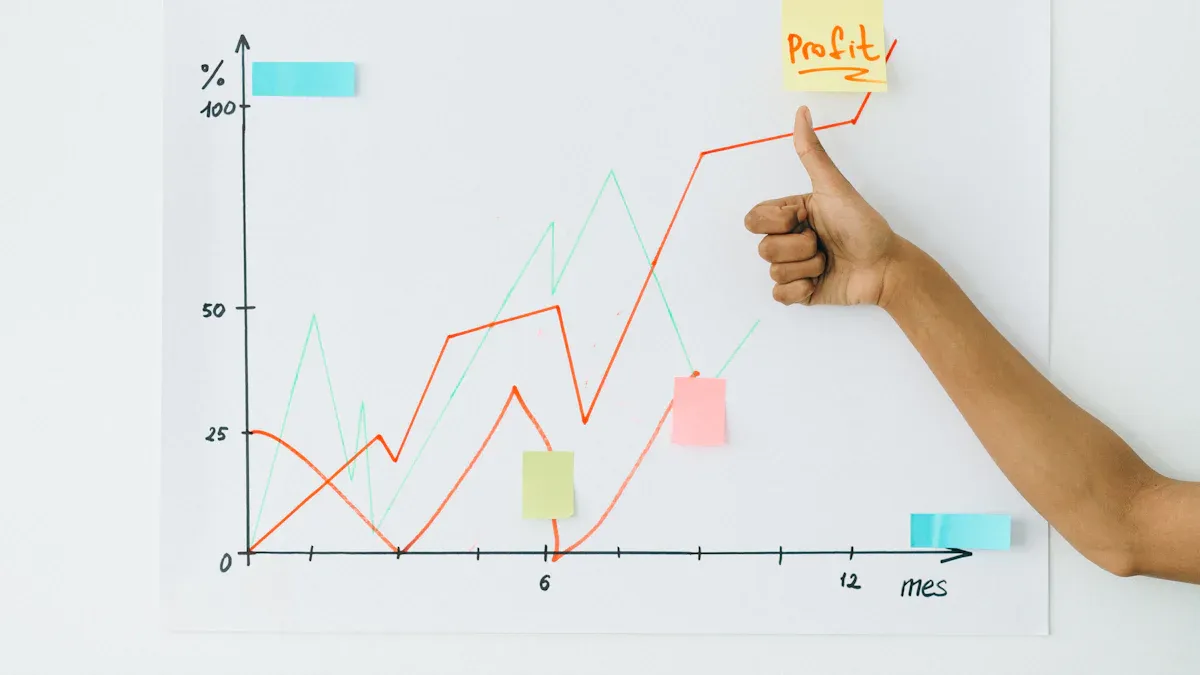
Understanding sector performance is essential when you’re investing, especially when you consider the Equity Report Breakdown. Each sector reacts differently to macroeconomic changes, such as fluctuations in inflation or GDP. For instance:
Inflation-sensitive sectors like energy often outperform during inflationary periods.
GDP growth often boosts consumer discretionary and industrial sectors.
Analyzing these trends through the Equity Report Breakdown can help you refine your investment strategy. As GDP reflects the health of an economy, its growth can highlight potential opportunities, while a decline signals caution.
Historical data from 1962 to 2021 reveals that certain sectors consistently outperform during specific business cycle phases, showing how crucial sector performance analysis is for making informed decisions.
Equity analysis, including the Equity Report Breakdown, provides you with the tools to identify these trends and adapt your portfolio to evolving market dynamics. By understanding these patterns, you can uncover opportunities and mitigate risks effectively.
Table of Contents
Key Takeaways
Knowing how sectors perform helps you invest smarter. Sectors change with the economy in different ways.
Past data shows tech and healthcare often do better. Look at these sectors for possible growth.
Big factors like inflation and GDP affect sectors a lot. Watch these to change your investments if needed.
Put money in sectors that focus on new ideas and being green. These areas may get more money and grow later.
Spreading your money across sectors lowers risk. Keep up with market news to find new chances.
Historical Trends in Sector Performance

Decade-Long Analysis of Sector-Wise Equity Trends
When you examine sector performance over the last decade, patterns emerge that highlight the resilience and adaptability of certain industries. For example, technology consistently outperformed other sectors, driven by innovation and the rapid adoption of digital solutions. Healthcare also showed strong returns, fueled by advancements in medical technology and an aging population.
The S&P 500 provides a clear snapshot of these trends. A statistical analysis of annual returns reveals the following:
Sector | |
|---|---|
Technology | 19,80 % |
Healthcare | 12,45 % |
Financials | 12,07 % |
Consumer Goods | 16.15% (cyclical), 10.92% (non-cyclical) |
Utilities | 10,05 % |
Energy | 6,18 % |
Materials | 8,98 % |
Real Estate | 10,40 % |
Communication | 11,27 % |
Industrials | 12,97 % |
This data underscores how sectors evolve in response to economic shifts and consumer demands. By studying these trends, you can identify which industries are likely to thrive in the future.
Key Drivers Behind High-Performing Sectors
High-performing sectors often share common drivers that propel their growth. Market dynamics, such as entry, exit, and resource reallocation, play a significant role. A study on high-growth firms in the UK revealed that 90% of total factor productivity growth from 1980 to 1992 stemmed from these dynamics.
Additionally, environmental, social, and governance (ESG) factors have gained prominence. Companies with higher ESG rankings tend to deliver superior risk-adjusted returns. Geography and market capitalization also influence these correlations, making ESG considerations a critical driver for sector performance.
Understanding these drivers allows you to anticipate which sectors might outperform in the coming years. For instance, industries that prioritize sustainability and innovation are likely to attract more investment and achieve higher growth rates.
Lessons from Historical Market Cycles
Historical market cycles offer valuable lessons about sector performance under varying conditions. During bull markets with high inflation, commodities often deliver the best returns. Conversely, bear markets with low inflation tend to negatively impact commodity performance.
Market Condition | Asset Type | |
|---|---|---|
Bull Market, High Inflation | Commodities | Best performance when inflation is above median and rates are rising. |
Bear Market, High Inflation | Commodities | Second-best performance during bear markets with high inflation and rising rates. |
Bear Market, Low Inflation | Commodities | Negative performance, worsened by falling rates. |
Various Conditions (1926-2022) | Bonds | Performance analyzed across 100 years of market cycles, providing insights into risk and return. |
These insights emphasize the importance of adapting your investment strategy to align with prevailing market conditions. By studying past cycles, you can better prepare for future shifts and make informed decisions about sector allocation.
Current Equity Report Breakdown by Sector
Top-Performing Sectors in the Current Market
The current equity report breakdown highlights several sectors that have outperformed others in the market. Among these, the technology sector continues to lead, driven by its ability to adapt to the growing demand for digital solutions. Over the past year, the technology sector has outperformed the S&P 500 by more than 25%, showcasing its resilience and capacity to thrive during economic expansions. This trend reflects the increasing reliance on innovation and digital transformation across industries.
Healthcare also remains a top-performing sector, benefiting from advancements in medical technology and the rising demand for healthcare services. The aging population and the focus on personalized medicine have further bolstered its returns. Meanwhile, the energy sector has seen a resurgence, supported by higher commodity prices and a global push for energy security.
A closer look at the S&P 500 sectors reveals the following performance metrics:
Sector | Performance Metrics |
|---|---|
S&P 500 | 1-year chart with percent comparisons against 11 S&P Sectors |
These metrics provide a clear snapshot of how different equity sectors are performing, helping you identify potential opportunities for investment.
Macroeconomic Factors Influencing Sector Performance
Macroeconomic indicators play a pivotal role in shaping sector performance. Factors such as foreign institutional investments (FII), industrial production (IIP), and economic policy uncertainty (EPU) significantly impact long-term trends. In the short term, exchange rates (ER) and crude oil prices (COP) emerge as primary influencers.
Indicator | Long-term Impact | Short-term Impact |
|---|---|---|
FII | Significant | Primary factor |
IIP | Significant | N/A |
EPU | Significant | N/A |
MS | Significant | N/A |
WPI | Significant | N/A |
ER | N/A | Primary factor |
COP | N/A | Primary factor |
For instance, rising crude oil prices have positively impacted the energy sector, while fluctuations in exchange rates have influenced export-driven industries like technology and consumer goods. By understanding these macroeconomic factors, you can better anticipate shifts in sector performance and align your portfolio accordingly.
Recent Shifts in Sector-Wise Equity Trends
Recent trends indicate significant shifts in equity performance across sectors. The technology sector has emerged as a clear leader, outperforming the S&P 500 by a substantial margin. This shift underscores the growing importance of digital solutions and innovation in driving market growth.
At the same time, traditional sectors like energy and materials have experienced renewed interest, fueled by global supply chain disruptions and rising commodity prices. These changes highlight the dynamic nature of equity sectors and the need for investors to stay agile.
The equity report breakdown also reveals a growing emphasis on sustainability and ESG considerations. Sectors that prioritize environmental and social governance are attracting more investment, reflecting a broader shift in market sentiment. This trend presents unique opportunities for you to explore industries that align with these values while delivering strong returns.
By staying informed about these shifts, you can position yourself to capitalize on emerging opportunities and navigate potential challenges effectively.
Predictions for Future Sector Performance
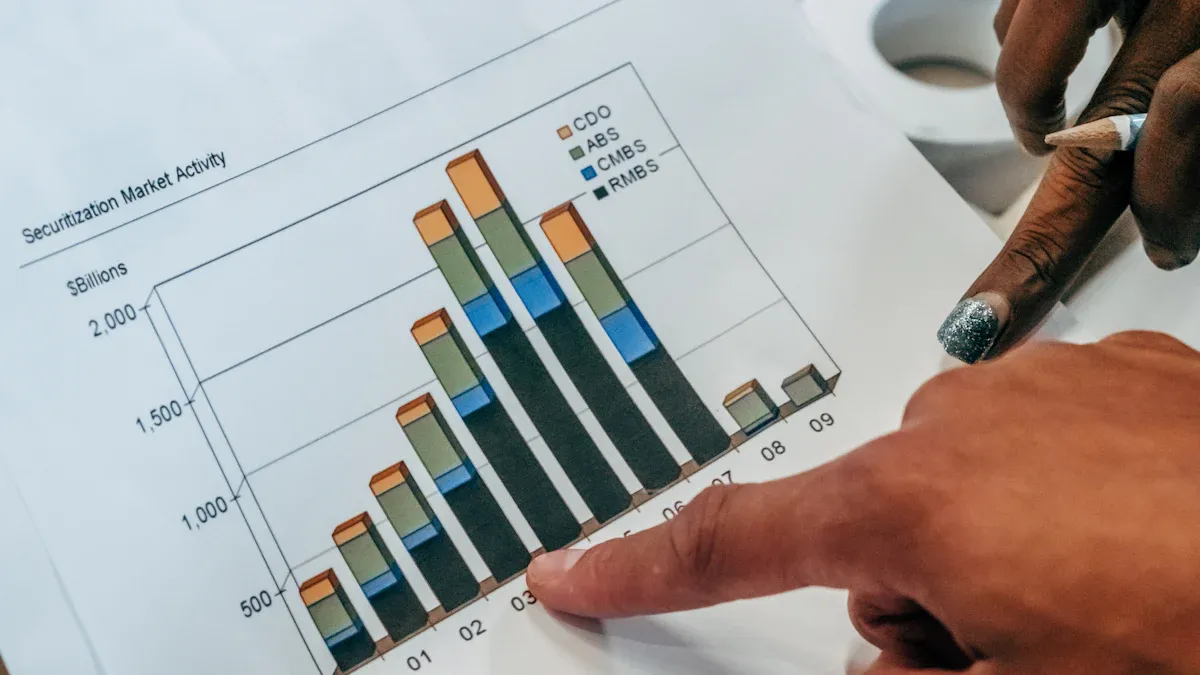
Sectors Expected to Lead Growth in the Next Decade
The next decade promises significant shifts in sector performance, driven by evolving economic growth patterns and technological advancements. Among the sectors poised for growth, technology stands out as a frontrunner. Its ability to innovate and adapt to changing consumer demands ensures sustained momentum. Technology stocks, particularly those focused on artificial intelligence, cloud computing, and cybersecurity, are expected to deliver strong annual returns as businesses increasingly rely on digital solutions.
Healthcare also holds immense potential. The aging global population and advancements in personalized medicine will likely fuel demand for healthcare services and products. This sector’s resilience during periods of high inflation further underscores its appeal for long-term sector investments. Additionally, renewable energy is emerging as a key player. With governments worldwide prioritizing sustainability, the energy sector is shifting toward cleaner alternatives, creating opportunities for investors to capitalize on this transition.
Economic growth in emerging markets will also play a pivotal role in shaping sector valuations. Industries such as consumer goods and industrials are expected to benefit from rising middle-class populations and increased infrastructure spending. By focusing on these sectors, you can align your portfolio with future growth trends and maximize returns.
Emerging Technologies and Their Impact on Sector Performance
Emerging technologies are reshaping the stock sector outlook, influencing annual performance across industries. Predictive analytics, for instance, is revolutionizing decision-making processes. The rise in data generation has created a demand for advanced analytical tools, enabling sectors like retail and manufacturing to optimize operations and improve returns.
Model Type | Description | Use Cases |
|---|---|---|
Forecast Model | Manages metric value predictions based on historical data insights. | Used in call centers to predict support calls or in retail to forecast inventory for sales. |
Time Series Model | Analyzes datasets with time sequences to predict trends over periods. | Useful for tracking sales over time or analyzing seasonal variations affecting trends. |
The adoption of emerging technologies also enhances productivity. Studies on ICT adoption reveal that integrating technology into business processes boosts efficiency, though initial challenges may arise. For example, Korean manufacturing SMEs experienced improved technical efficiency after adopting new technologies. Similarly, the steel industry saw productivity gains following the implementation of advanced equipment, despite initial slowdowns.
These findings highlight the transformative impact of technology on sector performance. By investing in industries that embrace innovation, you can position yourself to benefit from long-term growth and improved annual returns.
Potential Risks and Challenges for Specific Sectors
While certain sectors are poised for growth, potential risks and challenges must be considered. Quantitative risk analysis provides valuable insights into these challenges, offering objectivity and detailed probability assessments. For example, sectors reliant on global supply chains, such as materials and consumer goods, face risks from geopolitical tensions and inflationary pressures.
Quantitative risk analysis is useful for:
Business situations requiring schedule and budget control planning.
Large, complex issues/projects needing go/no-go decisions.
Business processes where management seeks detailed probability assessments.
Advantages include:
Objectivity in assessment.
Direct cost/benefit projections.
Reduced disagreements during management reviews.
High inflation remains a significant challenge for sectors like energy and utilities. Rising costs can erode profit margins, impacting sector valuations and annual performance. Additionally, industries heavily reliant on technology investments may encounter productivity slowdowns during the initial adoption phase. For instance, large equipment investments in manufacturing have historically led to temporary declines in total factor productivity.
Understanding these risks allows you to make informed decisions about sector investments. By diversifying your portfolio and staying agile, you can navigate these challenges effectively and capitalize on opportunities in high-performing sectors.
Understanding historical, current, and future sector performance equips you with a comprehensive view of market dynamics. Historical data reveals patterns and trends, helping you identify opportunities and avoid pitfalls. For instance, analyzing past sales data or average selling prices can provide valuable insights into market behavior. Current trends, such as the dominance of technology and healthcare, highlight where growth is happening now. Looking ahead, emerging technologies and sustainability initiatives promise to reshape industries, creating new avenues for investment.
To optimize your portfolio, consider these strategies:
Diversify across sectors to reduce risk.
Monitor macroeconomic indicators to anticipate shifts.
Focus on industries embracing innovation and ESG principles.
Staying informed about sector trends ensures you remain agile in a constantly evolving market. By aligning your investments with these insights, you can position yourself for long-term success.
FAQ
What is the importance of sector-wise equity analysis?
Sector-wise equity analysis helps you identify industries with growth potential and assess risks. It enables you to make informed decisions by understanding how different sectors respond to economic changes. This approach ensures your portfolio aligns with market trends and long-term investment goals.
How do macroeconomic factors influence sector performance?
Macroeconomic factors like inflation, interest rates, and GDP growth directly impact sector performance. For example, rising inflation often benefits energy sectors, while GDP growth boosts consumer discretionary industries. Monitoring these indicators helps you anticipate shifts and adjust your investment strategy accordingly.
Which sectors are considered resilient during economic downturns?
Sectors like healthcare, utilities, and consumer staples tend to perform well during downturns. These industries provide essential goods and services, maintaining demand even in challenging economic conditions. Investing in these sectors can help you mitigate risks during market volatility.
How can emerging technologies reshape sector performance?
Emerging technologies like artificial intelligence and renewable energy drive innovation across industries. They enhance efficiency, create new markets, and attract investments. By focusing on sectors embracing these technologies, you can position yourself for long-term growth and capitalize on transformative trends.
What are the key risks to consider when investing in specific sectors?
Key risks include geopolitical tensions, inflationary pressures, and technological disruptions. For instance, supply chain issues can impact materials sectors, while high inflation may erode profits in energy industries. Understanding these risks allows you to diversify and adapt your portfolio effectively.
Sector Smarts: Aligning Your Investments with Economic Cycles
Navigating the landscape of wealth creation is as much about foresight as it is about discipline. Long-term financial success hinges on understanding not just what to invest in, but when and why. That’s where a nuanced view of sector performance, like what’s revealed in the Equity Report Breakdown, becomes indispensable. Each sector dances to its own rhythm, swayed by economic shifts like inflation or GDP growth, and discerning investors know the importance of listening closely. At VASRO, we believe that insight and precision are your greatest allies in this journey. Our approach to equity analysis helps illuminate these sector-specific dynamics, identifying not only where growth is happening today, but where it’s likely to unfold tomorrow. Whether it’s the resilience of healthcare, the momentum behind technology, or the evolving promise of sustainable industries, the key is staying informed and adaptive. With the right strategies, built on a foundation of thoughtful analysis, you can chart a path toward enduring prosperity.
Disclaimer: The information provided on www.vasro.de is for general informational purposes only and does not constitute investment advice or a recommendation to invest in any particular asset or market. VASRO GmbH does not offer personalized investment advice, and the content on this website should not be relied upon as such. Visitors are encouraged to seek independent financial advice tailored to their specific circumstances before making any investment decisions. VASRO GmbH disclaims any liability for investment decisions made based on the information presented on this website.