


Sector-specific forecasting models focus on analyzing the unique characteristics of individual industries to guide investment decisions. By tailoring insights to specific sectors, these models enhance forecasting accuracy, helping you better understand industry trends and risks. For example, they enable investors to make informed decisions by accounting for external factors that impact markets, such as regulatory changes or technological advancements.
In today’s volatile business environment, these models play a crucial role in strategic planning. They help you navigate uncertainties by offering precise, data-driven insights. This approach not only supports better decision-making but also improves long-term investments and risk management.
Table of Contents
Key Takeaways
Sector-specific forecasting models give clear ideas about industry trends and risks.
These models help you make better choices using accurate data.
Updating your models often keeps them correct and useful for the market.
Mixing sector insights with overall market study makes a strong plan.
Using AI and machine learning improves models, making them faster and better.
What Are Sector-Specific Forecasting Models?
Definition and Key Characteristics
Sector-specific forecasting models are specialized tools designed to predict trends and outcomes within a particular industry. Unlike general financial forecasting, these models focus on the unique dynamics of a specific sector, such as technology, healthcare, or energy. They rely on tailored forecasting methods to analyze industry-specific variables, offering insights that align closely with the sector’s characteristics.
Several forecasting techniques are commonly used in these models:
The trend projection model examines historical patterns to predict future activity.
Associative or causal forecasting models use relationships between variables to calculate outcomes.
These methods allow you to make precise projections by addressing the nuances of each industry. For instance, a model for the energy sector might consider oil price fluctuations, while one for healthcare could focus on regulatory changes.
How They Differ from General Financial Forecasting Models
General financial forecasting models aim to provide a broad overview of market trends and economic conditions. In contrast, sector-specific forecasting models dive deeper into the intricacies of a single industry. This distinction makes them more effective for investors seeking detailed insights into a particular market.
For example, general models might analyze GDP growth or inflation rates, but sector-specific models incorporate industry-specific data like consumer preferences or technological advancements. This targeted approach enhances accuracy and relevance, helping you make informed decisions tailored to your investment goals.
Aspect | General Financial Forecasting | Sector-Specific Forecasting |
|---|---|---|
Scope | Broad market trends | Industry-specific trends |
Data Sources | Macroeconomic indicators | Sector-specific variables |
Level of Detail | Generalized | Highly detailed |
Use Case | Overall market analysis | Targeted investment strategies |
The Role of Data and Industry Trends in Sector-Specific Models
Data serves as the backbone of sector-specific forecasting models. These models integrate various data sources, including macroeconomic indicators, technical metrics, and alternative data like social media sentiment. By leveraging these inputs, you can capture complex market behaviors and refine your predictions.
Empirical research highlights the importance of industry trends in shaping these models. For instance, advancements in machine learning and predictive analytics have significantly improved forecasting accuracy in the tech sector. These tools enable you to identify patterns and anticipate shifts, giving you a competitive edge in a rapidly changing market.
By combining robust data with cutting-edge forecasting techniques, sector-specific models empower you to navigate industry challenges and seize opportunities with confidence.
The Role of Sector-Specific Forecasting Models in Modern Investment Strategies
Tailored Insights for Industry-Specific Trends
Sector-specific forecasting models provide you with insights that align closely with the unique dynamics of individual industries. These models analyze industry-specific variables, enabling you to identify trends and opportunities that general models might overlook. For example:
A retailer used predictive modeling to analyze consumer behavior, resulting in a 15% revenue increase.
A financial firm employed risk assessment models to enhance its investment strategy and strengthen its market reputation.
A real estate company adopted AR technology for virtual tours, boosting customer engagement by 30%.
These examples highlight how tailored forecasting can transform your strategic planning. By focusing on industry-specific trends, you can make more informed projections and adapt to market changes effectively.
Tip: Use sector-specific models to uncover hidden opportunities in your industry and stay ahead of competitors.
Enhancing Decision-Making with Targeted Data
Targeted data plays a crucial role in improving your decision-making process. Sector-specific forecasting models leverage historical and real-time data to provide actionable insights. Quantitative investing strategies, for instance, analyze historical data to identify optimal investment moments. Advanced models calculate probabilities, helping you make precise projections about market movements.
Quantitative risk analysis (QRA) further enhances decision-making by evaluating potential risks and returns. It uses statistical methods to assess the impact of different strategies, enabling you to optimize your portfolio. By integrating targeted data into your forecasting efforts, you can refine your strategic planning and achieve better outcomes.
Supporting Portfolio Diversification and Optimization
Sector-specific forecasting models also support portfolio diversification and optimization. By analyzing industry-specific metrics, these models help you balance risk and maximize returns. Consider the following financial performance metrics:
Metric | Result |
|---|---|
Annual risk-adjusted returns | 0.43% increase after 36 months |
Loan loss provisions | |
Yield improvements | 0.37% increase |
Client satisfaction metrics | 27% improvement, 18 points increase in net promoter scores |
These results demonstrate how forecasting can enhance your portfolio’s performance. By diversifying across sectors and using tailored projections, you can achieve a more resilient and profitable investment strategy.
Note: Regularly review your portfolio to ensure it aligns with the latest industry trends and forecasting insights.
Advantages of Sector-Specific Forecasting Models
Improved Accuracy in Financial Forecasting
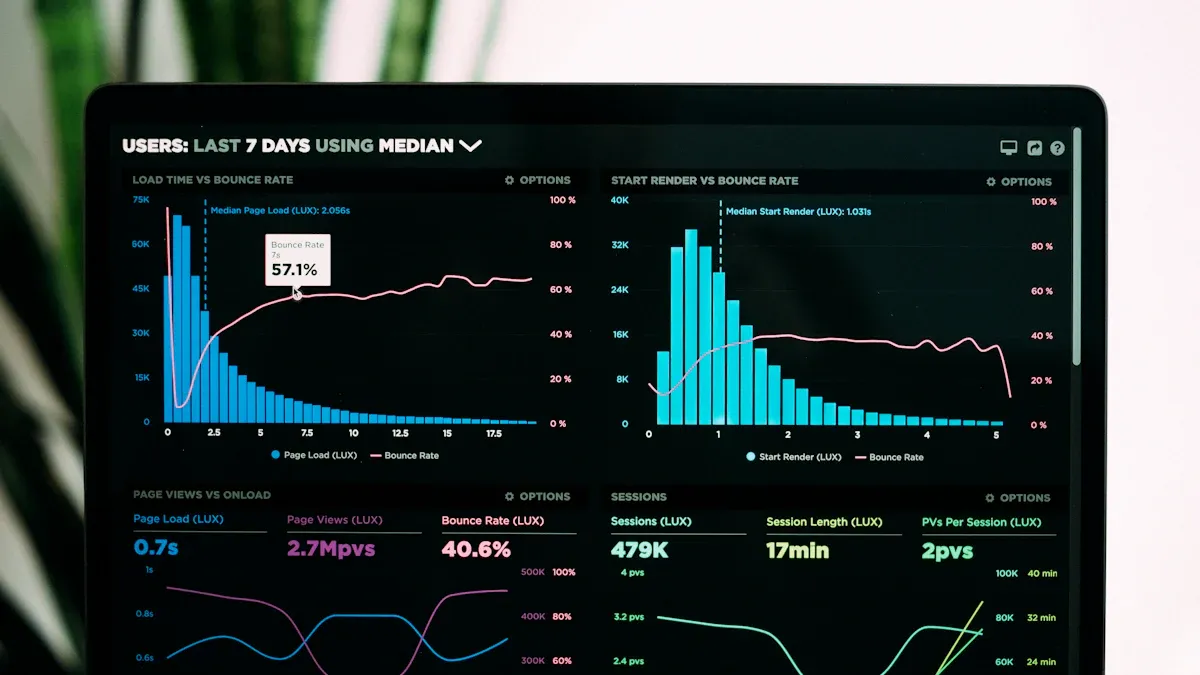
Sector-specific forecasting models significantly enhance the accuracy of financial forecasting by focusing on industry-specific variables. These models utilize advanced forecasting methods, such as trend analysis and machine learning, to deliver precise projections tailored to your business needs. For instance, metrics like Mean Absolute Error (MAE) and Mean Absolute Percentage Error (MAPE) help measure the accuracy of forecasts, ensuring reliable revenue and growth projections.
Metric | Description | Best Use Case |
|---|---|---|
Mean Absolute Error (MAE) | Measures the average size of errors | Large-scale financial planning |
Mean Absolute Percentage Error (MAPE) | Calculates percentage differences between forecasts and actuals | Revenue and growth projections |
R-squared | Explains variance in the data | Long-term trend analysis |
By leveraging these metrics, you can refine your strategic planning and achieve better financial performance. Accurate forecasting techniques reduce errors, enabling you to allocate resources more effectively and make informed decisions.
Enhanced Risk Management and Mitigation
Sector-specific forecasting models play a vital role in managing and mitigating risks. These models analyze real-time data to predict potential challenges and develop proactive strategies. For example:
Energy companies simulate the impact of natural disasters on infrastructure, creating effective recovery plans to minimize service interruptions.
Financial institutions use predictive models to assess loan default probabilities, improving decision-making in lending.
Insurance providers evaluate risks dynamically, adjusting premiums based on current trends.
These applications demonstrate how forecasting methods can help you anticipate risks and respond swiftly. By integrating these models into your operations, you can safeguard your investments and maintain stability in volatile markets.
Competitive Edge in Identifying Market Opportunities
Sector-specific forecasting models give you a competitive edge by uncovering hidden opportunities in the market. These models analyze industry trends, consumer behavior, and competitor strategies to identify gaps and emerging opportunities. For example:
Social media analytics reveal consumer sentiments and unmet needs, helping you tailor your offerings.
Competitor analysis highlights market gaps, enabling you to position your business strategically.
Regularly reviewing industry reports provides insights into evolving market dynamics.
By leveraging these insights, you can stay ahead of competitors and capitalize on new opportunities. These models empower you to align your strategic planning with market demands, ensuring long-term success.
Practical Applications Across Key Sectors

Technology: Predicting Innovation and Market Shifts
In the technology sector, forecasting models help you anticipate innovation and adapt to rapid market shifts. Analysts often combine fundamental and technical analysis to predict the future of tech stocks. For instance, companies like NVIDIA and Super Micro Computer demonstrate how forecasting can highlight opportunities. NVIDIA’s advancements in AI and GPU technology showcase its potential for growth, driven by market trends and strategic partnerships. Similarly, Super Micro Computer’s innovations in server technology and sustainable practices position it as a disruptor in the industry.
These models also assist in identifying emerging trends, such as the adoption of 5G or advancements in quantum computing. By analyzing data from industry reports and case studies, you can make informed decisions about investments in cutting-edge technologies. This approach ensures your business stays competitive in a fast-evolving market.
Healthcare: Anticipating Regulatory Changes and Breakthroughs
The healthcare sector relies heavily on forecasting to navigate regulatory changes and predict breakthroughs. For example, the shift to value-based care emphasizes patient outcomes, requiring you to measure performance comprehensively. Upcoming regulations, such as the Revised Price Transparency Rule and expanded telehealth regulations, demand proactive planning. These changes aim to enhance transparency and improve access to care.
Regulatory Change | Description |
|---|---|
Shift to Value-Based Care | Focuses on patient outcomes rather than fee-for-service models. |
Revised Price Transparency Rule | Requires hospitals to disclose detailed pricing information by January 2025. |
Expanded Telehealth Regulations | Simplifies cross-state licensing for telehealth practitioners. |
Forecasting models also highlight trends like the rise of telehealth, which recorded over 53 million visits in 2022. With a projected CAGR of 23.8% by 2030, telehealth services represent a significant growth area. By leveraging these insights, you can align your strategies with industry advancements and regulatory benchmarks.
Energy: Navigating Volatility in Oil, Gas, and Renewables
The energy sector faces constant volatility, making forecasting essential for managing risks and identifying opportunities. Models analyze fluctuations in oil and gas prices while considering the growing influence of renewable energy. For example, studies show how clean energy markets interact with traditional energy sectors, revealing opportunities for diversification.
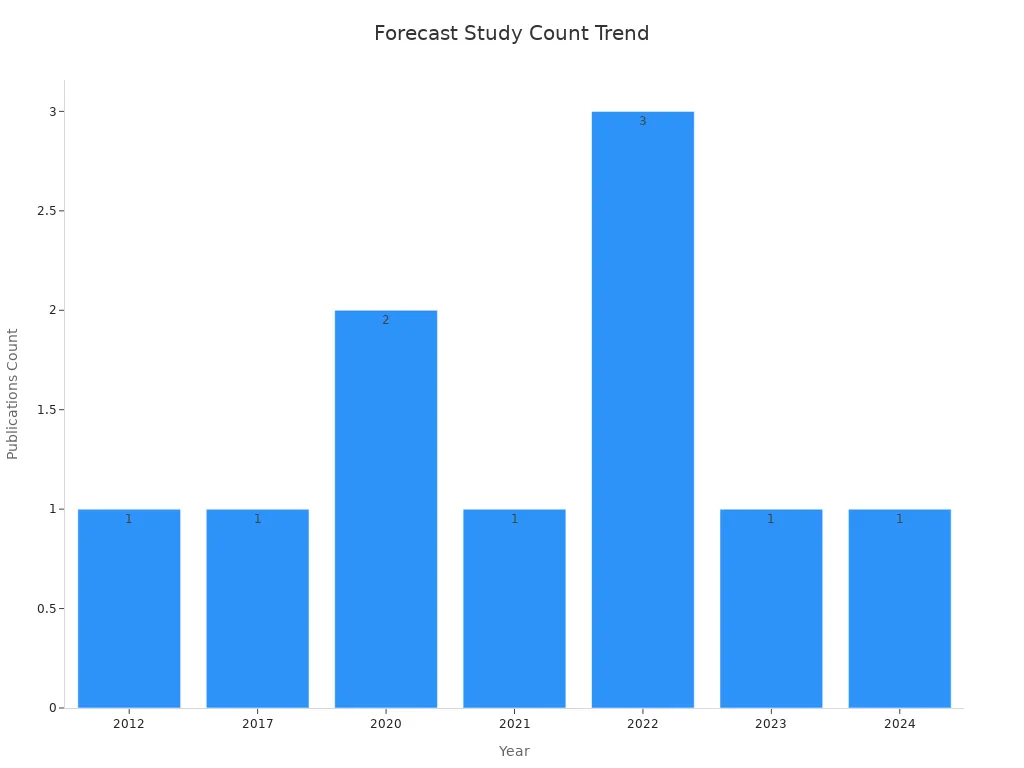
Forecasting also helps you evaluate the impact of global economic conditions on energy assets. By understanding these dynamics, you can optimize your portfolio and hedge against risks. Whether you invest in oil, gas, or renewables, these models provide the insights needed to navigate a complex and interconnected market.
Consumer Goods: Understanding Shifting Consumer Preferences
Understanding shifting consumer preferences is essential for staying competitive in the consumer goods sector. These preferences often evolve due to factors like technological advancements, cultural shifts, and economic conditions. Sector-specific forecasting models help you analyze these changes and adapt your strategies effectively.
Statistical methods play a crucial role in identifying trends. Descriptive statistics summarize historical data, while inferential statistics predict future behaviors. Predictive modeling, another powerful tool, uses past patterns to forecast upcoming shifts. For example, econometric models have been used to assess brand perception, enabling businesses to reposition their brands and capture new market segments.
Consumer preference studies reveal valuable insights into market dynamics. Key findings include:
A growing demand for sustainable and eco-friendly products.
Increased interest in personalized shopping experiences.
A shift toward online shopping, driven by convenience and accessibility.
These insights allow you to align your offerings with consumer expectations. For instance, companies that embraced sustainability early have seen significant growth in market share. By leveraging forecasting models, you can anticipate these trends and make data-driven decisions to enhance your competitive edge.
Statistical Method | Purpose | Example Use Case |
|---|---|---|
Descriptive Statistics | Summarizes historical data | Analyzing past sales trends |
Inferential Statistics | Predicts future behaviors | Estimating demand for new products |
Predictive Modeling | Forecasts based on past patterns | Identifying shifts in consumer behavior |
Tip: Regularly update your forecasting models to reflect the latest consumer trends and market conditions.
Real Estate: Forecasting Market Trends and Property Values
Forecasting in real estate helps you navigate market complexities and make informed investment decisions. Economic indicators such as GDP growth, employment rates, and inflation significantly influence property values. Demographic shifts also play a critical role. Millennials are delaying homeownership, while aging baby boomers are driving demand for retirement communities. Generation Z’s focus on sustainability and technology is reshaping development priorities.
Local and global market reports provide valuable insights. For example:
Early investors in Austin, Texas, capitalized on the tech industry’s migration, leading to a 60% increase in property values over five years.
Investors who anticipated the remote work trend shifted to vacation rental markets, which experienced unprecedented demand growth.
Institutional investors reduced retail exposure and increased holdings in industrial properties before the e-commerce boom.
These examples highlight the importance of aligning your strategies with emerging trends. Forecasting models analyze these factors to predict market movements, helping you optimize your portfolio. Whether you focus on residential, commercial, or industrial properties, these tools provide the insights needed to maximize returns.
Factor | Impact on Real Estate | Example |
|---|---|---|
Economic Indicators | Shape market sentiment and buying power | Wage growth influencing affordability |
Demographic Shifts | Drive demand for specific property types | Aging population increasing demand for retirement homes |
Technological Preferences | Influence development decisions | Smart homes gaining popularity |
Note: Stay informed about local and global trends to identify lucrative opportunities in the real estate market.
Challenges and Limitations of Sector-Specific Forecasting Models
Data Availability and Quality Concerns
High-quality data is essential for accurate financial forecasting, but challenges often arise in its availability and reliability. Missing values, inconsistent records, and biases in datasets can compromise the accuracy of sector-specific forecasting models. For example, historical sales data with errors or gaps can lead to flawed predictions. Measurement errors, such as inaccuracies in sensors used for weather forecasting, introduce noise that skews results. Additionally, imbalanced datasets, like those in fraud detection, make it difficult for models to identify rare events effectively.
To address these issues, you must prioritize data integrity and consistency. Regular audits and validation processes can help ensure that your data remains accurate and reliable. However, even with these measures, external factors like sudden market shifts or incomplete datasets can still pose challenges, highlighting the importance of continuous improvement in data collection and processing.
Complexity in Model Development and Maintenance
Developing and maintaining sector-specific forecasting models requires significant expertise and resources. The choice of model is critical, as each has unique strengths and weaknesses. For instance, while neural networks excel in handling complex datasets, they often overfit when data is limited. Overcomplicating models without understanding the underlying data can lead to wasted resources and reduced interpretability.
Maintaining these models also presents challenges. Forecasting models must adapt to changing market conditions, but rigid models often fail under novel scenarios. For example, during the 2008 financial crisis, many models struggled to account for the unprecedented economic shocks. To overcome this, you should focus on building robust and adaptable models that balance complexity with practicality.
Challenge | Impact | Solution |
|---|---|---|
Reduced interpretability and overfitting | Start with simpler models and benchmarks | |
Rigid Models | Poor performance in novel scenarios | Build adaptable and flexible models |
Resource-Intensive Maintenance | High costs and time investment | Automate updates and streamline processes |
Risk of Overfitting and Narrow Focus
Overfitting is a common issue in sector-specific forecasting. When models react too strongly to noise in the data, they perform well on historical datasets but fail in real-world applications. For example, asset return forecasting often suffers from overfitting, leading to poor out-of-sample performance. Complex models, such as neural networks, exacerbate this problem when applied to limited datasets.
A narrow focus also limits the effectiveness of these models. By concentrating solely on sector-specific variables, you risk overlooking broader market trends or external shocks. For instance, black swan events like natural disasters or economic crises can disrupt even the most accurate forecasts. To mitigate these risks, you should combine sector-specific models with broader market analysis and regularly validate their performance against real-world outcomes.
Tip: Avoid defaulting to complex models without justification. Simpler statistical benchmarks often provide more reliable results, especially when data is limited.
Actionable Tips for Implementing Sector-Specific Forecasting Models
Choosing the Right Model for Your Investment Goals
Selecting the right forecasting model begins with understanding your investment objectives. Each model offers unique strengths, so aligning it with your goals ensures better decision-making. For instance, if your focus is on short-term projections, time-series models like ARIMA may suit your needs. On the other hand, causal models work well for long-term strategies by analyzing relationships between variables.
Several factors influence your choice:
Data Availability: Ensure you have access to relevant historical data.
Forecast Horizon: Define whether you need short-term or long-term projections.
Accuracy Requirements: Consider how precise your forecasts need to be for your business.
Cost/Benefit Analysis: Evaluate the value the model adds to your financial performance.
By carefully assessing these criteria, you can select a model that aligns with your market strategy and investment goals.
Leveraging AI and Machine Learning for Model Optimization
AI and machine learning (ML) have revolutionized forecasting techniques by enhancing accuracy and efficiency. These technologies process vast amounts of data, identifying patterns that traditional methods often miss. For example, ML algorithms can predict daily usage trends in network elements, helping businesses manage resources proactively.
Machine learning also excels in complex scenarios like stock market forecasting. It analyzes large datasets quickly, uncovering insights that improve decision-making. By automating data analysis, you can reduce manual errors and focus on refining your strategies. Incorporating AI into your forecasting methods not only boosts performance but also ensures your models remain adaptable to changing market conditions.
Combining Sector-Specific Models with Broader Market Analysis
While sector-specific models provide detailed insights, combining them with broader market analysis creates a more comprehensive strategy. Broader analysis considers macroeconomic factors like GDP growth and inflation, which impact all industries. For example, a sector rotation model (SRM) might achieve a compound annual return of 10.29%, outperforming the S&P 500’s 7.61%. This comparison highlights the value of integrating both approaches.
Model | Compound Annual Return | Maximum Drawdown | Sharpe Ratio |
|---|---|---|---|
Sector Rotation Model (SRM) | 10.29% | -18.6% | 0.72 |
S&P 500 (SPY) | 7.61% | -50.8% | 0.41 |
By blending sector-specific insights with broader trends, you can enhance your decision-making and optimize your portfolio for long-term success.
Regularly Reviewing and Updating Models for Accuracy
Regular reviews and updates are essential for maintaining the accuracy of sector-specific forecasting models. Market conditions evolve rapidly, and outdated models can lead to flawed predictions. By regularly assessing your models, you ensure they remain aligned with current industry trends and data.
Start by establishing a review schedule. Quarterly evaluations work well for most industries, but sectors with high volatility, like energy or technology, may require monthly updates. During each review, analyze the model’s performance using metrics such as Mean Absolute Error (MAE) or R-squared. These metrics help you identify discrepancies between predicted and actual outcomes.
Updating your forecasting methods involves integrating new data sources and refining algorithms. For example, incorporating real-time data from social media or IoT devices can enhance the model’s responsiveness to market changes. Machine learning algorithms also benefit from periodic retraining with fresh datasets, improving their predictive accuracy.
Collaboration across teams can further enhance the review process. Data scientists, industry analysts, and portfolio managers bring unique perspectives that help identify gaps and opportunities. Use their insights to refine your models and ensure they address both sector-specific variables and broader market dynamics.
Tip: Automate routine updates to save time and reduce errors. Tools like Python or R can streamline data integration and model recalibration.
The table below outlines key steps for reviewing and updating forecasting models:
Step | Action | Benefit |
|---|---|---|
Schedule Regular Reviews | Set quarterly or monthly evaluations | Keeps models aligned with market trends |
Analyze Performance Metrics | Use MAE, R-squared, etc. | Identifies prediction accuracy |
Integrate New Data Sources | Add real-time or alternative data | Improves responsiveness |
Retrain Algorithms | Update machine learning models | Enhances predictive capabilities |
Collaborate Across Teams | Involve analysts and managers | Ensures comprehensive model refinement |
By following these steps, you can maintain the reliability of your forecasting methods and adapt to changing market conditions effectively.
Sector-specific forecasting models have transformed how you approach investments by offering precise insights tailored to individual industries. These tools enhance financial forecasting accuracy, helping you manage risks effectively while identifying lucrative opportunities. By focusing on industry-specific data, they empower you to make informed decisions that align with your business goals and improve financial performance.
Integrating these models into your investment strategies ensures you stay competitive in a dynamic market. Regularly updating and refining your forecasting methods will help you adapt to changing conditions and maintain a strong portfolio. Embrace these models to unlock their full potential and achieve better outcomes in your financial endeavors.
FAQ
What makes sector-specific forecasting models different from general models?
Sector-specific models focus on the unique dynamics of individual industries, such as technology or healthcare. They analyze industry-specific variables like consumer behavior or regulatory changes. General models, on the other hand, provide a broader view of market trends without diving into sector-specific details.
How do these models improve investment strategies?
These models enhance your strategies by offering tailored insights. They help you identify trends, manage risks, and optimize portfolios. For example, they can predict shifts in consumer preferences or technological advancements, enabling you to make informed decisions that align with your financial goals.
Can small investors benefit from sector-specific forecasting models?
Yes, small investors can use these models to gain a competitive edge. By focusing on specific industries, you can uncover opportunities that broader analyses might miss. Tools powered by AI and machine learning make these models accessible and effective for investors of all sizes.
What role does data play in these models?
Data is the foundation of sector-specific forecasting models. They rely on historical, real-time, and alternative data sources to predict trends. For instance, social media sentiment or macroeconomic indicators can refine forecasts, ensuring accuracy and relevance for your investment decisions.
How often should you update forecasting models?
You should review and update models regularly to maintain accuracy. Quarterly updates work for most industries, but high-volatility sectors like energy may require monthly reviews. Incorporating new data and retraining algorithms ensures your models stay aligned with current market conditions.
Tip: Automate updates using tools like Python or R to save time and improve efficiency.
Seeing the Bigger Picture Starts with the Right Data
Understanding the nuances of sector-specific forecasting is more than a technical exercise, it’s a strategic imperative in today’s fast-moving financial landscape. Whether you’re an investor seeking to fine-tune your portfolio or a decision-maker navigating industry shifts, data-driven insights remain key to staying ahead. At VASRO GmbH, we believe that robust equity analysis and deep sector intelligence empower better decisions across the board. Our market intelligence work reflects this philosophy, grounded in precision, tailored for impact. For more insights or to explore how our research can support your strategic goals, visit www.vasro.de.
Disclaimer: The information provided in this article is for general informational purposes only and does not constitute investment advice or a recommendation to invest in any specific asset or market. VASRO GmbH does not offer personalized investment advice, and the content of this article should not be relied upon as such. We strongly recommend that you seek independent financial guidance tailored to your unique circumstances before making any investment decisions. VASRO GmbH disclaims any liability for decisions made based on the information presented in this article.