


Equity report analysis serves as a vital tool for making informed investment decisions. These reports provide you with a deep dive into financial metrics, helping you assess the health of companies and the viability of their stocks. By analyzing market trends and company performance, you gain clarity on potential risks and opportunities.
Equity research reports enhance decision-making by offering data-driven insights into a company’s operations and market position.
They help you identify risks early, enabling proactive adjustments to your strategies.
Recommendations within these reports guide you in optimizing your portfolio for better alignment with market conditions.
When you incorporate equity report analysis into your investment process, you position yourself to make smarter decisions, reduce uncertainty, and achieve better outcomes.
Key Takeaways
Equity report analysis helps you understand a company’s financial health.
Spotting risks early with these reports helps avoid big losses.
Recommendations in reports can help improve your investment choices.
Comparing companies through reports shows which ones may do better.
Using technology and AI makes analyzing data faster and easier.
Understanding Equity Report Analysis
What Is Equity Report Analysis?
Equity report analysis is the process of evaluating detailed research reports that provide insights into a company’s financial performance, market position, and growth potential. These reports serve as a roadmap for understanding the strengths and weaknesses of a company, helping you make informed investment decisions. At its core, equity analysis combines both quantitative and qualitative methods to assess a company’s value and future prospects.
To better understand the methodologies used in equity research, consider the following table:
Methodology | Description |
|---|---|
Fundamental Analysis | Examines a company’s financial health and intrinsic value through financial statements. |
Technical Analysis | Focuses on stock price movements and trading volumes to predict future price changes. |
Comparative Analysis | Compares a company’s financial metrics against its peers to assess relative value. |
Qualitative Techniques | Evaluates non-numerical factors affecting a company’s performance. |
Quantitative Techniques | Uses numerical data and statistical methods to analyze financial performance. |
Equity research reports often incorporate these methodologies to provide a comprehensive view of a company. For example, fundamental analysis might reveal whether a company has strong revenue growth, while technical analysis could highlight trends in its stock price. By combining these approaches, equity research delivers actionable insights that guide your investment strategies.
Why It Is Crucial for Investment Decisions
Equity report analysis plays a pivotal role in shaping your investment decisions. It provides you with the tools to evaluate companies objectively, reducing the guesswork involved in investing. Here’s why this process is essential:
Data-Driven Insights: Equity research reports blend quantitative data, such as financial metrics, with qualitative insights, like industry trends. This combination helps you navigate the complexities of financial markets with confidence.
Risk Mitigation: By analyzing a company’s financial health and market position, you can identify potential risks early. This proactive approach allows you to adjust your strategies and avoid costly mistakes.
Strategic Decision-Making: Equity analysis empowers you to make strategic choices by offering a clear understanding of a company’s value and growth potential. For instance, a study of U.S. equity strategies from 2013-2023 demonstrated the effectiveness of concentrated investment decisions in achieving better outcomes.
The benefits of equity report analysis extend beyond individual investments. It also enhances your ability to optimize your portfolio. By understanding the nuances of different companies and industries, you can allocate your resources more effectively, ensuring long-term growth and stability.
Tip: Always review the investment recommendations in equity research reports carefully. These insights are often backed by extensive analysis and can serve as a valuable guide for your decision-making process.
Key Components of Equity Research Reports

Financial Analysis and Metrics
Financial analysis forms the backbone of equity research reports. It provides you with a clear picture of a company’s financial health and operational efficiency. By examining key performance indicators (KPIs), you can evaluate how effectively a company utilizes its resources and manages its obligations.
For instance, efficiency ratios reveal how productively a company converts its assets and expenses into sales growth. Leverage ratios assess the extent of a company’s debt obligations relative to its capital structure. Solvency ratios measure long-term financial stability, while valuation ratios help you understand the relationship between a company’s stock price and its profitability.
KPI Type | Description |
|---|---|
Efficiency Ratios | Analyze how productively a company utilizes its assets and operating expenses to drive sales growth. |
Leverage Ratios | Evaluate the degree of a company’s debt obligations relative to its capital or income metrics. |
Solvency Ratios | Measure a company’s ability to meet long-term obligations by comparing total liabilities to assets. |
Valuation Ratios | Help analysts understand a company’s stock price in relation to profitability and asset value. |
In addition to KPIs, numerical metrics such as liquidity ratios and profitability ratios provide deeper insights into a company’s ability to generate returns and meet financial obligations. Liquidity ratios assess short-term debt repayment capacity, while profitability ratios measure how efficiently a company converts revenue into profits.
Common metrics include:
Price-to-earnings ratio
Price-to-book ratio
Debt-to-equity ratio
Price/earnings-to-growth ratio
By analyzing these metrics, you gain a comprehensive understanding of a company’s financial position, enabling you to make informed investment decisions.
Valuation Techniques
Valuation techniques are essential for determining the intrinsic value of a company’s stock. These methods help you assess whether a stock is undervalued or overvalued, guiding your investment strategies. Fundamental analysis plays a key role here, as it evaluates a company’s financial statements to estimate its true worth.
Several statistical models enhance the accuracy of valuation techniques. Time series analysis uses historical data to predict future trends, making it particularly useful for cyclical industries. Regression analysis identifies relationships between variables, such as the impact of economic growth on a company’s performance. Monte Carlo simulations provide a range of possible outcomes, helping you assess risks and uncertainties.
Statistical Model | Description |
|---|---|
Time Series Analysis | Utilizes historical data to predict future market trends, especially useful for cyclical behaviors. |
Regression Analysis | Determines relationships between dependent and independent variables, such as GDP growth impact. |
Monte Carlo Simulations | Provides a range of potential outcomes and their probabilities, commonly used in risk assessment. |
By combining these techniques with fundamental analysis, you can uncover the intrinsic value of a company and make strategic investment decisions.
Investment Recommendations and Their Importance
Investment recommendations are a critical component of equity research reports. These insights, backed by thorough analysis, guide you in identifying opportunities and avoiding pitfalls. Recommendations often include buy, sell, or hold ratings, helping you align your portfolio with market conditions.
Equity research analysts base their recommendations on a blend of financial analysis, valuation techniques, and industry trends. For example, a recommendation to buy a stock might stem from strong profitability ratios and favorable market value ratios. Conversely, a sell recommendation could result from declining efficiency ratios or excessive leverage.
Note: Always consider the rationale behind investment recommendations. Analysts often provide detailed explanations, enabling you to understand the factors influencing their advice.
By leveraging these recommendations, you can optimize your portfolio and achieve long-term growth. Equity research reports empower you to navigate the complexities of the market with confidence, ensuring that your investment decisions are both strategic and informed.
Benefits of Equity Analysis for Investors
Enhancing Informed Decision-Making
Equity analysis equips you with the tools to make informed decisions in the complex world of investments. By studying equity research reports, you gain access to detailed insights into a company’s financial health, market position, and growth potential. These reports combine quantitative data, such as revenue trends, with qualitative observations, like industry dynamics. This dual approach helps you evaluate investment opportunities with clarity.
For example, when analyzing a company’s financial metrics, you can identify patterns that indicate stability or growth. Reports often highlight key performance indicators, enabling you to assess whether a company aligns with your investment goals. This process minimizes guesswork and allows you to focus on opportunities that offer the most promise.
Tip: Use equity research reports to compare companies within the same industry. This comparison can reveal which businesses are better positioned for long-term success.
Mitigating Investment Risks
Equity analysis plays a crucial role in risk management. By examining a company’s financial statements and market trends, you can identify potential red flags before making an investment. For instance, high debt levels or declining profitability ratios may signal underlying issues. Equity research reports often include risk assessments, helping you avoid costly mistakes.
Market volatility adds another layer of complexity to investments. Equity analysis helps you navigate these fluctuations by providing a clear understanding of how external factors, such as economic shifts, impact a company’s performance. This knowledge empowers you to adjust your strategies proactively, ensuring your portfolio remains resilient during uncertain times.
Note: Diversifying your portfolio based on insights from equity research can reduce exposure to risks. Combining assets like stocks, bonds, and commodities often leads to more stable returns.
Optimizing Portfolio Performance
Equity analysis enables you to optimize your portfolio by identifying assets that align with your financial objectives. Reports often highlight undervalued stocks, providing you with opportunities to invest in companies poised for growth. By leveraging these insights, you can allocate resources effectively and achieve better risk-adjusted returns.
Several strategies have demonstrated the value of equity analysis in portfolio optimization:
Portfolios with sustainable indices have outperformed market indices in regions like Indonesia and Korea.
Combining gold with sustainable or market indices has proven effective for risk-adjusted returns during economic uncertainty.
Green bonds, with their low correlation to other assets, enhance portfolio performance in stable periods.
These findings underscore the importance of equity research in crafting a balanced and resilient portfolio. By understanding the nuances of different asset classes and industries, you can seize opportunities that align with your investment goals.
Takeaway: Equity analysis is not just about identifying individual stocks. It’s about building a portfolio that thrives in diverse market conditions, ensuring long-term growth and stability.
The Role of Equity Research Analysts in Investment
Expertise in Equity Analysis
Equity research analysts bring a wealth of expertise to the table, making them indispensable in the world of equity analysis. Their role involves dissecting complex financial data, evaluating market trends, and identifying growth opportunities. By leveraging their deep understanding of financial statements and valuation techniques, they provide insights that help you make informed investment decisions.
These analysts excel at connecting the dots between a company’s performance and broader market dynamics. For instance, they analyze how external factors like economic policies or industry shifts impact a company’s value. Their ability to interpret both quantitative metrics and qualitative factors ensures a comprehensive approach to equity research.
You benefit from their expertise because they simplify intricate data into actionable insights. Whether it’s identifying undervalued stocks or assessing a company’s long-term potential, equity research analysts equip you with the tools to navigate the complexities of the market confidently.
Providing Actionable Investment Recommendations
Equity research analysts play a pivotal role in delivering actionable investment recommendations. These recommendations often include buy, sell, or hold ratings, which guide you in aligning your portfolio with market conditions. Their advice is grounded in rigorous equity analysis, ensuring that every suggestion is backed by data and thorough evaluation.
Actionable recommendations have a measurable impact on market investments:
Impact investing combines financial returns with measurable social and environmental outcomes.
Broader stakeholder engagement enhances the overall impact of investments.
Rigorous due diligence incorporates ESG (Environmental, Social, and Governance) factors, which are critical for assessing both financial and societal metrics.
Real-world examples, such as investments in renewable energy, demonstrate the dual benefits of financial sustainability and positive societal impact.
By following these recommendations, you can align your investments with both financial goals and broader values. Equity research analysts ensure that their insights are not only practical but also aligned with emerging trends in responsible investing.
Collaborating with Investors for Better Outcomes
Collaboration between equity research analysts and investors fosters better investment outcomes. Analysts act as your strategic partners, offering tailored insights that align with your financial objectives. They don’t just provide data; they interpret it in a way that resonates with your unique goals.
This partnership thrives on open communication. Analysts often engage with you to understand your risk tolerance, investment horizon, and preferences. By doing so, they can craft recommendations that suit your specific needs. For example, if you prioritize sustainable investments, they might highlight opportunities in green bonds or renewable energy sectors.
Their role extends beyond providing reports. Equity research analysts help you adapt to changing market conditions by offering timely updates and adjustments to their recommendations. This dynamic collaboration ensures that your portfolio remains resilient and aligned with your long-term strategy.
Takeaway: Equity research analysts are more than just data interpreters. They are your allies in navigating the complexities of equity analysis, ensuring that your investments are both strategic and impactful.
Challenges and Future Trends in Equity Research
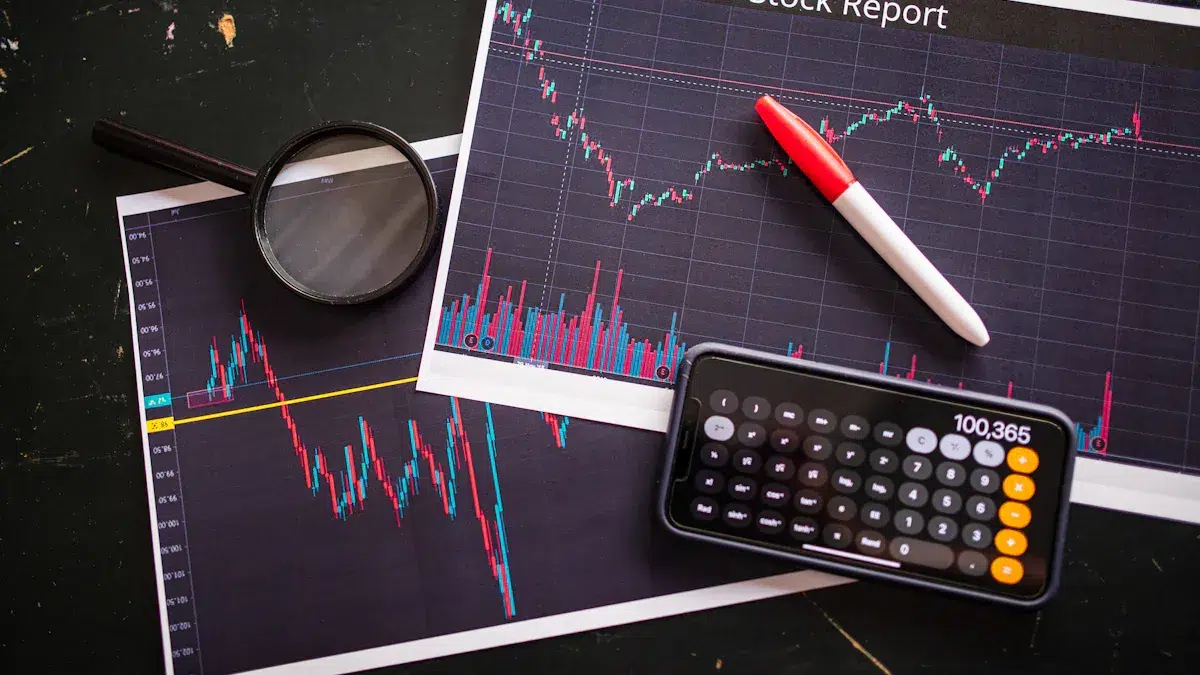
Navigating Market Volatility
Market volatility presents one of the most significant challenges in equity analysis. You often face unpredictable price swings caused by economic shifts, geopolitical events, or investor sentiment. These fluctuations make it difficult to forecast stock performance accurately. Researchers frequently rely on advanced models like GARCH to analyze and predict volatility. However, these models are not universally applicable across all markets, which complicates portfolio selection and risk management.
Several studies highlight the factors influencing market volatility:
Macroeconomic variables, such as GDP growth and inflation, play a critical role.
Technical indicators, including moving averages and trading volumes, provide insights into price trends.
Investor sentiment, shaped by news and social media, significantly impacts stock prices.
Source | |
|---|---|
Macroeconomic Variables | Paye (2012), Engle et al. (2013) |
Technical Indicators | Neely et al. (2014) |
Investor Sentiment | Behrendt and Schmidt (2018) |
Economic Activity Influence | Cheung and Ng (1998) |
Energy Consumption | Zhang (2011), Zhao et al. (2022) |
Volatility Forecasting | Bakas and Triantafyllou (2019) |
Understanding these factors helps you navigate market uncertainty and refine your equity analysis strategies.
Ensuring Data Accuracy in Equity Analysis
Accurate data forms the backbone of reliable equity analysis. You depend on high-quality financial metrics to evaluate assets and make informed decisions. Inaccurate or outdated data can lead to flawed conclusions, affecting your investment outcomes. Regular audits and validation processes are essential for maintaining data integrity.
Investment professionals emphasize the importance of data quality in financial analysis. Reliable data ensures accurate risk assessments and compliance with industry standards. For example, audits and quality checks help identify discrepancies in financial disclosures, safeguarding the credibility of equity research.
Tip: Always verify the sources of financial data before incorporating them into your analysis. This practice minimizes errors and enhances the reliability of your findings.
Leveraging Technology and AI in Equity Research
Technology and artificial intelligence (AI) are transforming equity research. These tools enhance efficiency, improve accuracy, and reduce costs. For instance, AI-driven algorithms analyze vast datasets in seconds, uncovering patterns that would take humans much longer to identify.
Studies show the growing impact of AI on equity analysis:
Evidence Type | Findings | Implications |
|---|---|---|
AI Talent Growth | Significant rise in AI talent from 2010-2019 | Indicates increasing reliance on AI in equity research |
Audit Quality Improvement | AI investments linked to fewer restatements | Suggests enhanced accuracy in financial reporting |
Efficiency Gains | Lower fees and reduced workforce | Highlights potential cost savings and productivity increases |
AI also aids in forecasting market trends by analyzing news, social media, and economic indicators. This capability allows you to make data-driven decisions with greater confidence. As technology evolves, its role in equity analysis will only grow, offering you new tools to navigate the complexities of the market.
Takeaway: Embracing AI and technology in equity research not only improves efficiency but also equips you with deeper insights for strategic decision-making.
Equity analysis is a vital tool for making sound investment decisions. It helps you evaluate risks, identify opportunities, and optimize your portfolio. By leveraging equity research reports, you gain access to detailed financial and market insights. These reports guide you in making informed buy, sell, or hold decisions while reducing uncertainty. They also promote market efficiency by ensuring accurate stock pricing. With equity analysis, you can confidently navigate the complexities of the market and align your investments with your financial goals.
Takeaway: Equity analysis empowers you to make strategic decisions that drive long-term success.
FAQ
What is the difference between equity analysis and stock market analysis?
Equity analysis focuses on evaluating individual companies, their financial health, and growth potential. Stock market analysis examines broader market trends, indices, and overall economic factors. Equity analysis helps you make decisions about specific stocks, while stock market analysis provides a macro-level view.
How often should you review equity research reports?
You should review equity research reports regularly, especially before making investment decisions. Quarterly updates are ideal since companies release financial statements during this period. Frequent reviews help you stay informed about changes in market conditions and company performance.
Can equity analysis predict future stock prices?
Equity analysis doesn’t guarantee future stock prices. It provides insights into a company’s value and growth potential based on historical data and current metrics. While it helps you make informed decisions, external factors like market volatility can still impact stock prices unpredictably.
Are equity research reports useful for long-term investments?
Yes, equity research reports are valuable for long-term investments. They highlight a company’s financial stability, growth prospects, and industry position. These insights help you identify stocks that align with your long-term goals and minimize risks over time.
Do you need advanced financial knowledge to understand equity reports?
No, you don’t need advanced financial knowledge. Equity reports often include explanations of key metrics and recommendations. Familiarity with basic financial terms like revenue, profit, and valuation ratios is enough to grasp the main insights.
Why Equity Report Analysis Matters
At VASRO, we know that navigating the path to long-term financial success starts with understanding the story behind the numbers, and that’s exactly why equity report analysis matters for you as an investor: these reports are more than just spreadsheets, they’re a window into a company’s health and its place in the market. By taking a close look at revenue trends, profitability ratios, and competitive positioning, you can uncover risks before they become roadblocks and spot opportunities that others might overlook. Our team’s commitment to precision means we dive deep into financial metrics without losing sight of broader market signals, so you gain clarity on both day-to-day movements and longer-term shifts. When you fold equity analysis into your investment process, you’re not simply guessing at what might happen, you’re equipping yourself with data-driven insights and thoughtful guidance that help you adjust your strategy proactively and build a portfolio designed for steady, sustainable growth.
Disclaimer: The information provided on www.vasro.de is for general informational purposes only and does not constitute investment advice or a recommendation to invest in any particular asset or market. VASRO GmbH does not offer personalized investment advice, and the content on this website should not be relied upon as such. Visitors are encouraged to seek independent financial advice tailored to their specific circumstances before making any investment decisions. VASRO GmbH disclaims any liability for investment decisions made based on the information presented on this website.