

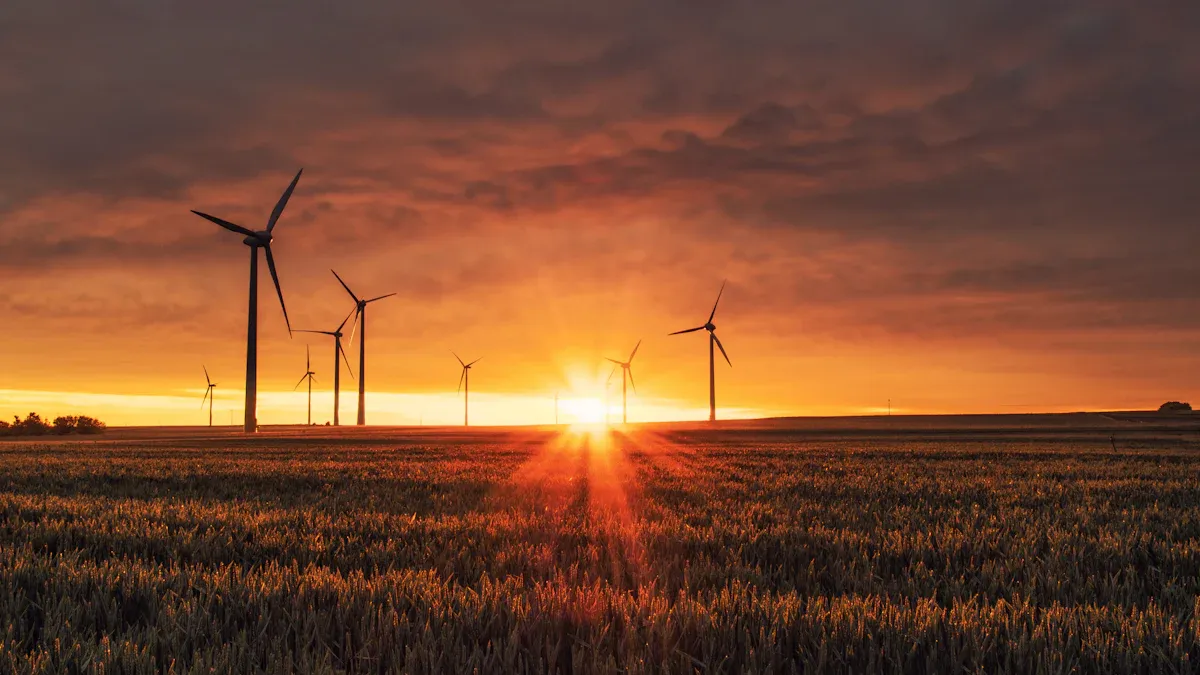
The European Investment Fund renewable energy investment has committed €100 million to renewable energy projects in the Nordic region, specifically targeting onshore wind power and green hydrogen production. This initiative is part of a broader €313 million fund aimed at advancing sustainable energy infrastructure in Sweden, Finland, and Norway. By replacing fossil fuels with renewable energy, this investment supports Europe’s climate neutrality goal by 2050. The Nordic region’s strong environmental performance, with Denmark, Finland, and Sweden ranking among the top five globally, underscores its strategic importance for achieving the European Green Deal’s objectives.
Table of Contents
Key Takeaways
The European Investment Fund gave €100 million for clean energy in the Nordics, focusing on wind power and green hydrogen.
Using renewable energy cuts carbon pollution and helps Europe reach its 2050 climate goals.
The Nordics have lots of natural resources and good rules, making it great for clean energy projects.
Clean energy creates jobs, boosts the economy, and lowers the need for fossil fuels.
New tech in hydrogen and energy storage is important for the Nordics’ green energy future.
The Role of the European Investment Fund in Renewable Energy
Supporting Sustainable Energy Projects
The European Investment Fund plays a pivotal role in advancing sustainable energy projects across Europe. By allocating €100 million to renewable energy initiatives in the Nordic region, the fund demonstrates its commitment to fostering a greener future. This investment focuses on critical areas such as hydrogen electrolysis, storage, and distribution infrastructure. These efforts aim to reduce carbon emissions, enhance energy security, and drive innovation in renewable technologies.
The fund’s track record in renewable energy investments highlights its effectiveness. Its contributions align with broader European goals, ensuring that projects not only address environmental concerns but also create economic opportunities. For instance, the development of onshore wind farms and green hydrogen facilities generates jobs while promoting energy independence. These projects also encourage technological advancements, positioning Europe as a leader in the global renewable energy transition.
Metric | Details |
|---|---|
Investment Amount | €100 million |
Focus Areas | Hydrogen electrolysis, storage, and distribution infrastructure |
Expected Benefits | Reduction in carbon emissions, energy security, job creation, innovation |
Alignment | European Green Deal, InvestEU program |
The European Investment Fund’s renewable energy investment strategy ensures that resources are directed toward impactful and scalable solutions. This approach not only addresses immediate energy needs but also lays the groundwork for long-term sustainability.
Alignment with the European Green Deal and InvestEU Program
The European Investment Fund’s renewable energy initiatives align seamlessly with the European Green Deal and the InvestEU program. These frameworks aim to achieve climate neutrality by 2050, making them central to Europe’s environmental and economic policies. The fund’s focus on renewable energy projects, such as green hydrogen production and onshore wind power, directly supports these objectives.
The European Green Deal emphasizes the transition to clean energy sources, reducing reliance on fossil fuels. The InvestEU program complements this by mobilizing private and public investments in sustainable projects. Together, they create a robust foundation for the European Investment Fund to channel resources into transformative energy solutions. By aligning with these initiatives, the fund ensures that its investments contribute to a cohesive and strategic vision for Europe’s future.
The Nordic region, with its abundant natural resources and strong policy frameworks, serves as an ideal testing ground for these efforts. The European Investment Fund’s renewable energy investment not only accelerates the region’s green transition but also sets a benchmark for other parts of Europe to follow.
Why the Nordic Region is a Strategic Choice

Abundant Natural Resources for Renewable Energy
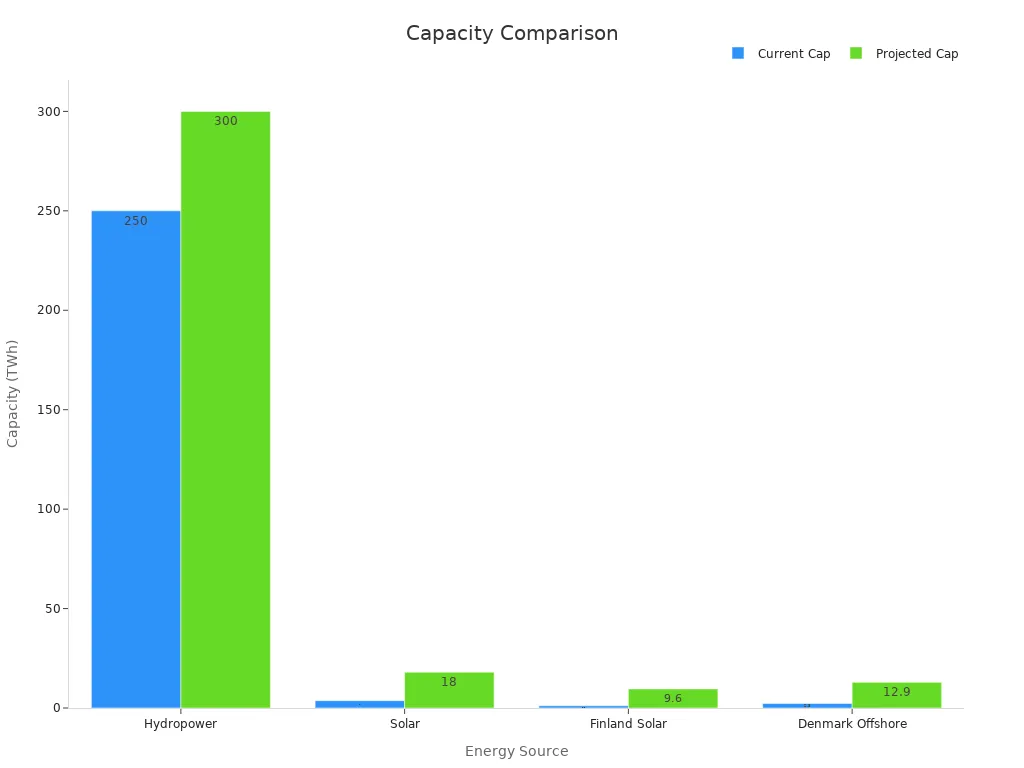
The Nordic region boasts an exceptional abundance of natural resources, making it a prime location for renewable energy development. Norway leads Europe in hydropower production, with an installed capacity of 33 GW, while Sweden operates 1,800 hydro plants that generate nearly half of its electricity. Norway’s hydro plants supply over 90% of its electricity needs, showcasing the region’s reliance on clean energy sources. Additionally, the Nordic nations are rapidly expanding their wind and solar energy capacities.
Energy Source | Current Capacity (TWh) | Projected Capacity (TWh) | Growth (%) |
|---|---|---|---|
Hydropower | 250 | 300 | N/A |
Offshore Wind | N/A | 300 | N/A |
Onshore Wind | N/A | 150 | N/A |
Solar | 3.7 | 18 | 486% |
Finland Solar | 1.1 | 9.6 | 856% |
The region’s potential for offshore wind energy is particularly noteworthy, with a projected capacity of 300 TWh. This growth reflects the Nordic countries’ commitment to harnessing their natural advantages for sustainable energy production.
Strong Policy Frameworks Supporting Green Investments
The Nordic countries have established robust policy frameworks that actively support green investments. Norway’s leadership in electric vehicle adoption exemplifies this commitment, with 82.4% of new car sales in 2023 being electric—far surpassing the global average of 15.8%. Sweden has set ambitious climate goals, including a 59% reduction in greenhouse gas emissions by 2030 and achieving net-zero emissions by 2045. These policies are backed by substantial public funding and financial incentives for renewable energy projects.
Such frameworks not only attract investments but also create a stable environment for long-term renewable energy development. By prioritizing sustainability, the Nordic nations have positioned themselves as global leaders in the transition to a low-carbon economy.
Existing Green Infrastructure and Technological Leadership
The Nordic region’s existing green infrastructure and technological expertise further enhance its appeal for renewable energy investments. Renewable energy already accounts for over 50% of electricity generation in Sweden and Norway, with 87% of Nordic electricity generation being carbon-free as of 2020. Over the past 30 years, the CO2 emission intensity of district heating and power production in Scandinavia has decreased by 50%, reflecting significant progress in decarbonization.
The region also demonstrates leadership in solar energy, with a cumulative installed capacity of 1.6 GW by 2018. Despite its arctic conditions, the Nordic countries continue to innovate, with private power purchase agreements gaining traction in Sweden and Denmark. By 2030, Sweden, Finland, and Denmark are projected to achieve a combined capacity of 74 GW from onshore wind and solar PV, including 12.8 GW from solar PV. These advancements highlight the region’s ability to integrate cutting-edge technologies into its renewable energy systems.
The Nordic region’s combination of natural resources, supportive policies, and advanced infrastructure makes it a strategic choice for renewable energy investments. These factors not only drive energy innovation but also contribute to global efforts to combat climate change.
Key Investment Areas in Renewable Energy
Onshore Wind Power Development
Onshore wind power plays a crucial role in the Nordic region’s renewable energy strategy. With its vast open landscapes and favorable wind conditions, the region has become a hub for wind energy development. Countries like Sweden, Finland, and Denmark are leading the charge, with ambitious plans to expand their onshore wind capacity by 2030. Sweden aims to add 30 GW, while Finland and Denmark plan to increase their capacities by 15 GW and 11.5 GW, respectively.
Country | Current Capacity (GW) | Planned Capacity (GW) | Increase (GW) | Year |
|---|---|---|---|---|
Sweden | N/A | 30 | 30 | 2030 |
Finland | 5 | 20 | 15 | 2030 |
Denmark | N/A | 11.5 | 11.5 | 2030 |
Norway | 5 | N/A | 5 | 2022 |
Onshore wind power is expected to contribute over 150 TWh of clean energy annually, significantly reducing carbon emissions. This aligns with the Nordic Clean Energy Scenarios (NCES), which emphasize the importance of direct electrification in achieving emissions reduction targets. The region’s focus on wind energy not only supports its climate goals but also enhances energy security and fosters technological innovation.
Green Hydrogen Production and Infrastructure
Green hydrogen production represents another transformative investment area in the Nordic region. By utilizing renewable energy sources like wind and hydropower, the region is advancing low-carbon hydrogen solutions to decarbonize heavy industries and transportation. Facilities for hydrogen electrolysis, powered by renewable energy, are at the core of this effort. These facilities enable the production of low-carbon hydrogen, which can be stored and distributed through specialized infrastructure.
Investment Area | Description |
|---|---|
Hydrogen Electrolysis Facilities | Facilities powered by renewable energy for hydrogen production |
Storage and Distribution | Infrastructure for hydrogen-based fuels |
Industrial Applications | Focus on heavy transport and manufacturing sectors |
The European Investment Fund’s €100 million commitment supports these developments, targeting hydrogen electrolysis facilities and infrastructure for storage and distribution. Denmark and Norway have made significant advancements in hydrogen technology, positioning the region as a leader in low-carbon hydrogen innovation. Projections indicate that CO2 emissions in the Nordic region could fall by 95% by mid-century, driven by green hydrogen production and other renewable energy initiatives.
The Nordic region’s coordinated efforts among academia, industry, and government ensure the successful integration of green hydrogen into its energy systems. This collaboration not only accelerates emissions reduction but also strengthens the region’s role in the global transition to renewable energy.
Economic and Environmental Benefits of the Investment
Reduction in Carbon Emissions
The €100 million investment in renewable energy projects across the Nordic region is expected to significantly reduce carbon emissions. By replacing fossil fuels with green energy sources like wind power and hydrogen, the region is on track to achieve climate neutrality by 2050. Projections indicate that CO2 emissions could decrease by 95% by mid-century. This reduction stems from the expansion of wind power and the adoption of green hydrogen technologies, which leverage the region’s abundant natural resources.
Norway serves as a prime example of how renewable energy investments can drive environmental progress. The country generates nearly all its electricity from renewable sources, primarily hydropower. This has enabled widespread electrification in homes and industries, resulting in minimal greenhouse gas emissions. Additionally, Norway’s energy policies have facilitated the rapid adoption of electric vehicles, further reducing its carbon footprint.
Enhanced Energy Security in the Nordic Region
Investing in renewable energy strengthens the Nordic region’s energy security by reducing reliance on imported fossil fuels. Currently, fossil fuels account for 42% of the region’s energy consumption. By 2050, this figure is expected to drop to between 6% and 9%, thanks to the expansion of green energy infrastructure. Wind power, in particular, plays a crucial role in this transition, providing a stable and sustainable energy supply.
The shift to renewable energy also enhances resilience against global energy market fluctuations. By harnessing local resources like wind and hydropower, the Nordic countries can maintain a consistent energy supply while mitigating the risks associated with fossil fuel imports. This approach not only supports energy independence but also aligns with the broader goals of the European Green Deal.
Job Creation in Renewable Energy Sectors
The transition to green energy is creating new employment opportunities across the Nordic region. Infrastructure projects, such as the construction of wind farms and hydrogen electrolysis facilities, require a skilled workforce. These projects are expected to generate thousands of jobs in engineering, construction, and maintenance.
A table below highlights the potential job creation in key renewable energy sectors:
Sector | Job Opportunities (Estimated) |
|---|---|
Onshore Wind Power | 15,000 |
Green Hydrogen Production | 10,000 |
Energy Storage and Distribution | 8,000 |
The growth of the renewable energy sector also fosters innovation, leading to the development of new technologies and industries. This not only boosts the regional economy but also positions the Nordic countries as leaders in the global green energy transition.
The economic and environmental benefits of these investments extend beyond the Nordic region. They set a benchmark for sustainable development, demonstrating how renewable energy can drive economic growth while addressing climate change.
Technological Innovation in Green Energy Solutions
Technological innovation drives the Nordic region’s progress in green energy solutions. Advanced systems for hydrogen production, energy storage, and grid integration are transforming the renewable energy landscape. These innovations not only enhance efficiency but also ensure the scalability of sustainable energy systems.
One of the most significant advancements involves hydrogen technologies. Electrolysis, powered by renewable sources like wind and hydropower, enables the production of green hydrogen. This clean fuel is vital for decarbonizing industries such as steel manufacturing and heavy transportation. Denmark, for instance, has developed large-scale hydrogen facilities that integrate seamlessly with its renewable energy infrastructure. These facilities demonstrate how cutting-edge technology can support the transition to a low-carbon economy.
Energy storage solutions also play a critical role. Battery systems and pumped hydro storage ensure a stable energy supply by addressing the intermittent nature of renewable sources. Sweden has pioneered the use of advanced battery technologies, which store surplus energy generated by wind and solar farms. These systems improve grid reliability and reduce energy waste.
The Nordic region’s smart grid technologies further enhance energy efficiency. Digital tools and artificial intelligence optimize energy distribution, balancing supply and demand in real time. Norway’s smart grid projects exemplify this innovation, enabling the seamless integration of renewable energy into the national grid.
Technology | Application | Benefits |
|---|---|---|
Hydrogen Electrolysis | Green hydrogen production | Decarbonizes heavy industries |
Battery Storage | Energy storage for wind/solar farms | Stabilizes energy supply |
Smart Grids | Real-time energy distribution | Enhances grid efficiency and reliability |
These technological advancements highlight the Nordic region’s leadership in green energy innovation. By leveraging cutting-edge solutions, the region sets a global benchmark for sustainable development.
The European Investment Fund’s €100 million investment in the Nordic region highlights its commitment to achieving ambitious climate goals. By focusing on onshore wind power and green hydrogen production, this initiative accelerates the green energy transition while addressing climate change mitigation. These projects align with the European Green Deal, ensuring progress toward a climate-neutral Europe by 2050.
This investment underscores the strategic importance of the Nordic region in advancing a sustainable energy future. Its abundant resources and innovative infrastructure provide a strong foundation for achieving climate action. These efforts not only support Europe’s climate goals but also set a global benchmark for climate change mitigation.
The European Investment Fund’s role in fostering a climate-neutral future demonstrates how targeted investments can drive meaningful climate action and secure a sustainable energy future for generations to come.
FAQ
What is the role of the EU in renewable energy investments?
The EU plays a central role in funding and promoting renewable energy projects. Through initiatives like the European Investment Fund, it supports decarbonisation efforts by financing technologies such as wind power and hydrogen production. These investments align with the EU’s climate goals and decarbonisation strategy.
How does green hydrogen contribute to decarbonisation?
Green hydrogen helps decarbonisation by replacing fossil fuels in industries and transportation. Produced using renewable energy, it emits no greenhouse gases. The Nordic region’s focus on hydrogen electrolysis and carbon capture and storage technologies accelerates its adoption, reducing CO2 emissions significantly.
Why is the Nordic region a leader in renewable energy?
The Nordic region excels due to its abundant natural resources, advanced infrastructure, and strong policies. Countries like Norway and Sweden lead in hydropower and wind energy. Their commitment to decarbonisation and carbon capture and storage technologies positions them as global leaders in sustainable energy.
What is carbon capture and storage, and why is it important?
Carbon capture and storage is a technology that traps CO2 emissions from industrial processes and stores them underground. It is crucial for achieving decarbonisation goals, as it prevents large amounts of carbon dioxide from entering the atmosphere, complementing renewable energy efforts.
How does renewable energy investment benefit the economy?
Investments in renewable energy create jobs, enhance energy security, and drive technological innovation. Projects like wind farms and hydrogen facilities generate employment while reducing reliance on imported fossil fuels. These efforts align with the EU’s decarbonisation strategy and support long-term economic growth.
Understanding Market Trends in Renewable Energy: The Role of Data-Driven Insights
As the Nordic region accelerates its transition to renewable energy, strategic investments and policy frameworks play a crucial role in shaping the future of sustainable infrastructure. For investors, industry professionals, and decision-makers, understanding these market dynamics is essential to navigating opportunities in a rapidly evolving energy landscape. At VASRO GmbH, our expertise in equity analysis and market intelligence provides deep, data-driven insights into the financial and strategic developments shaping key industries, including renewable energy. By leveraging advanced research methodologies, we help stakeholders make informed decisions, anticipate market shifts, and stay ahead of emerging trends. Explore more insights at www.vasro.de or consider joining our market intelligence service for a competitive edge in today’s fast-moving financial landscape.
Disclaimer: The information provided in this article is for general informational purposes only and does not constitute investment advice or a recommendation to invest in any specific asset or market. VASRO GmbH does not offer personalized investment advice, and the content of this article should not be relied upon as such. We strongly recommend that you seek independent financial guidance tailored to your unique circumstances before making any investment decisions. VASRO GmbH disclaims any liability for decisions made based on the information presented in this article.