

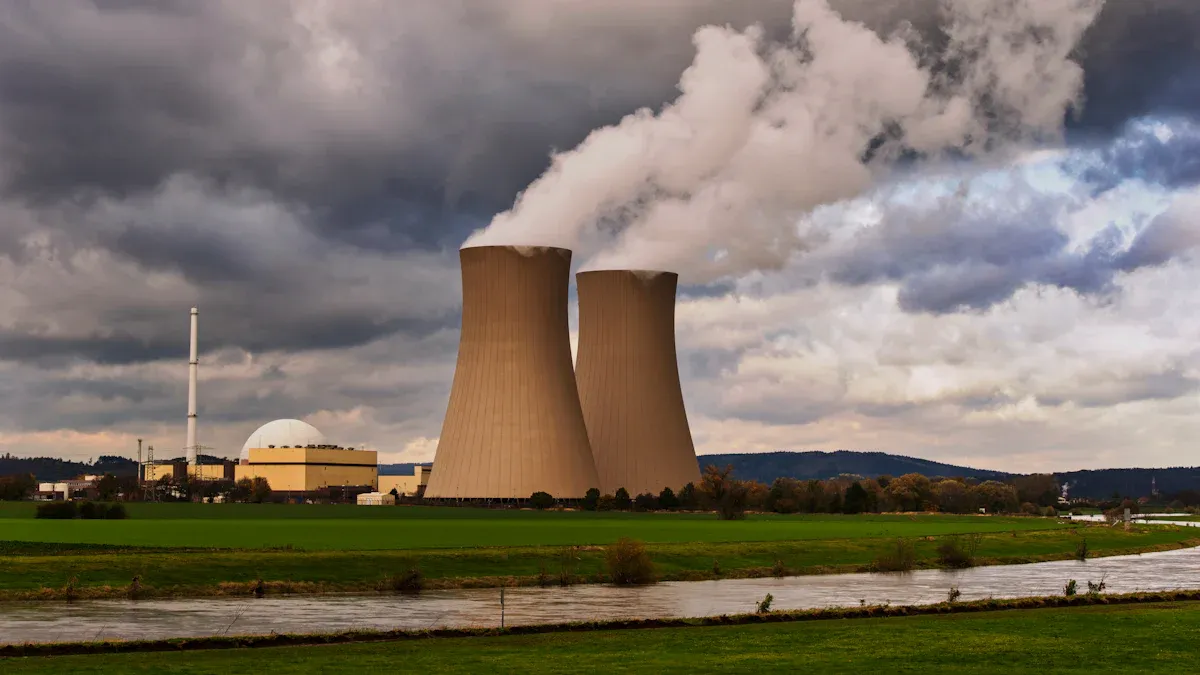
Energy plays a pivotal role in driving European industries. As energy costs continue to rise, businesses face mounting pressure to remain competitive in global markets. High energy bills threaten the viability of energy-intensive sectors, such as chemicals and metals, which rely heavily on stable and affordable power sources. Without addressing these challenges, industries risk losing their edge in critical areas like clean energy technology.
Several factors highlight the urgency of tackling this issue by 2025. Reports reveal that EU manufacturers struggle with global competitiveness due to high energy prices. The 2025 Progress Report identifies energy costs, supply chain dependencies, and labor shortages as key barriers to success. These challenges demand immediate action to secure a sustainable future for European industries.
Table of Contents
Key Takeaways
Expensive energy makes it hard for European industries to compete, especially in chemicals and metals.
Using renewable energy can keep prices steady and cut the need for imported fuels. This is an important plan for the future.
Industries and governments must work together to find good ways to handle energy costs.
Using better technology to save energy can help businesses spend less money.
Leaders need to make smart changes to fix energy cost problems and help industries stay strong.
Historical Trends in Energy Costs
Evolution of energy prices in Europe over the past decade
Energy prices in Europe have experienced significant fluctuations over the past ten years. Various factors, including market dynamics, regulatory changes, and geopolitical events, have influenced these shifts. Since 2020, the energy market has faced unprecedented challenges. Wholesale gas and electricity prices reached historic highs during the energy crisis, peaking in 2022. Although prices began to stabilize in 2023, retail energy costs remained elevated compared to pre-2021 levels.
Several trends illustrate these changes:
Wholesale gas prices surged by 1000% at their peak in August 2022.
Retail energy prices varied across EU countries due to national crisis mitigation measures.
The EU’s energy import bill reached €604 billion in 2022, highlighting the economic strain on industries.
Despite some stabilization, industrial energy prices in Europe remain significantly higher than those of global competitors, creating long-term challenges for businesses.
Comparing energy costs in Europe, the U.S., and China
European industries face a competitive disadvantage due to higher energy costs compared to the U.S. and China. Between 2019 and 2023, industrial electricity prices in Europe rose sharply. For example:
Poland saw a 137% rise.
France recorded a 93% increase.
In contrast, U.S. industrial power prices increased by only 21% during the same period. By 2023, industrial energy prices in the EU were 158% higher than in the U.S. This disparity stems from Europe’s reliance on imported energy and the impact of geopolitical tensions, such as the Russia-Ukraine conflict. China’s energy costs have remained relatively stable, further intensifying competition for European industries.
Key factors driving energy price volatility in Europe
Several factors contribute to energy price volatility in Europe:
Geopolitical tensions: Events like the Russia-Ukraine war disrupted energy supplies, leading to price spikes.
Market dependency: Europe’s reliance on imported natural gas and liquefied natural gas (LNG) exposes it to global market fluctuations.
Regulatory frameworks: National policies and crisis mitigation measures have created disparities in retail energy prices across EU countries.
Energy transition costs: Investments in renewable energy infrastructure and carbon reduction initiatives have added to the cost burden for industries.
These factors underscore the complexity of managing energy prices in Europe. Addressing these challenges will require coordinated efforts between policymakers and industries to ensure long-term stability.
The Current Impact of High Energy Costs on European Industries
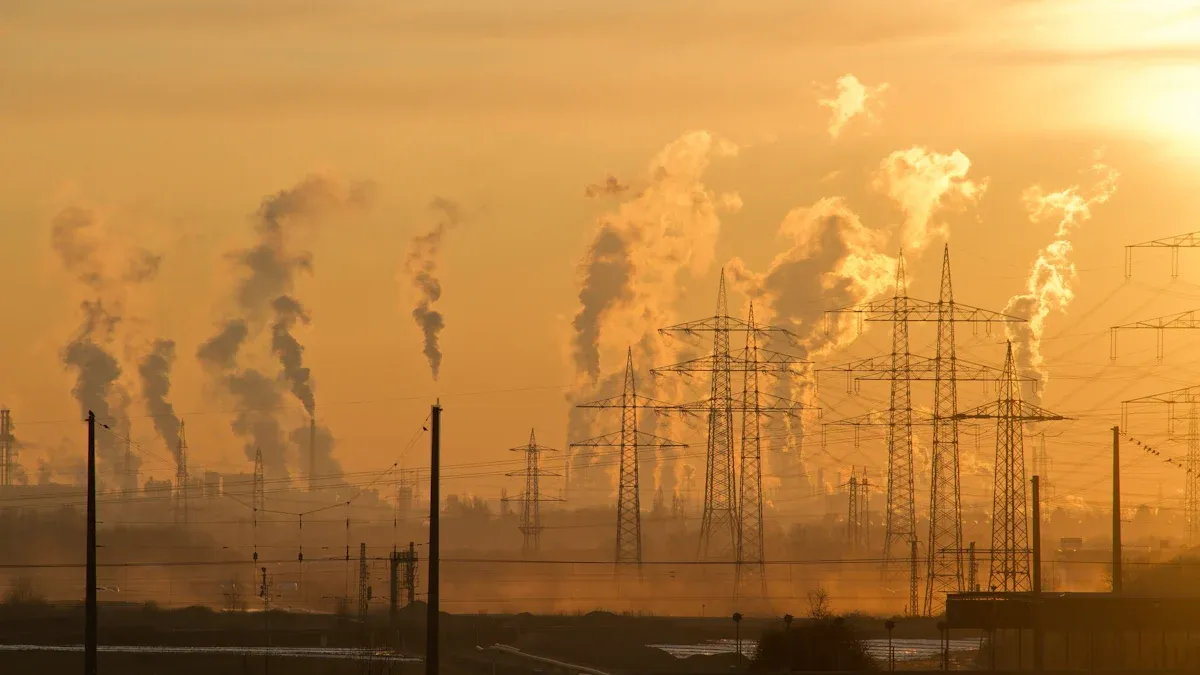
Challenges for energy-intensive sectors like metals and chemicals
High energy costs have placed significant pressure on energy-intensive sectors such as metals and chemicals. These industries rely heavily on stable and affordable energy to maintain production efficiency. However, elevated power prices have increased industrial production costs, forcing companies to reassess their operations. Major players in the chemical sector, like BASF, have experienced severe financial setbacks, with the company losing a third of its stock market value since the energy crisis began. Similarly, Thyssenkrupp, a leading steel producer, has closed plants and reduced production to cope with rising costs.
The situation is equally dire for other energy-intensive sectors. Ammonia production capacity has not fully recovered, with over 4 million tonnes still offline as of early 2023. Primary aluminum production in Europe has also dropped significantly compared to 2021 levels. These declines highlight the vulnerability of these industries to high energy prices. If current trends persist, experts predict a potential 10% reduction in steel and chemical output by 2030. This would further weaken the foundation of European industry and its ability to compete globally.
Competitive disadvantages in the global market
European industries face a growing competitive disadvantage in the global market due to high energy costs. Industrial electricity prices in Europe are significantly higher than those in the United States, China, and India. By 2050, European energy costs are projected to remain at least 50% higher than those of its global competitors. This disparity has already prompted some companies to consider relocating production to regions with lower energy costs, threatening the long-term viability of European industry.
The lack of long-term price stability mechanisms exacerbates the issue. High and unpredictable energy costs create uncertainty for businesses, particularly energy-intensive industries. Without aggressive measures to address these disparities, Europe risks losing its industrial competitiveness. The Clean Industrial Deal, while addressing some challenges, does not sufficiently tackle the issue of high energy costs. Fixed-price, long-term energy contracts and lower taxes are essential to ensure the sustainability of European industries. Price disparities across EU Member States further complicate the situation, making it difficult for industries to operate on a level playing field.
The influence of geopolitical tensions and supply chain issues
Geopolitical tensions and supply chain disruptions have significantly contributed to the current high energy costs affecting European industries. The Russia-Ukraine conflict disrupted energy supplies, leading to price spikes and increased market volatility. Europe’s reliance on imported natural gas and liquefied natural gas (LNG) has made it particularly vulnerable to global market fluctuations.
Supply chain issues have further compounded the problem. Many European firms, especially in Germany, depend on critical inputs from China. This dependency increases uncertainty and exposes industries to potential trade disruptions. Approximately 75% of German firms report that geopolitical tensions negatively impact their operations. Large multinational companies implementing de-risking strategies anticipate upward pressure on their selling prices, which could lead to higher energy costs for consumers.
The combined impact of these factors has been devastating. Industrial output in France and Italy remains below 2021 levels, and the EU has lost over 800,000 manufacturing jobs since the pandemic. Steel production in the EU has reached its lowest level since 1960. These statistics underscore the urgent need for coordinated efforts to address the challenges posed by high energy costs and ensure the resilience of European industry.
Future Scenarios for Energy Costs in 2025
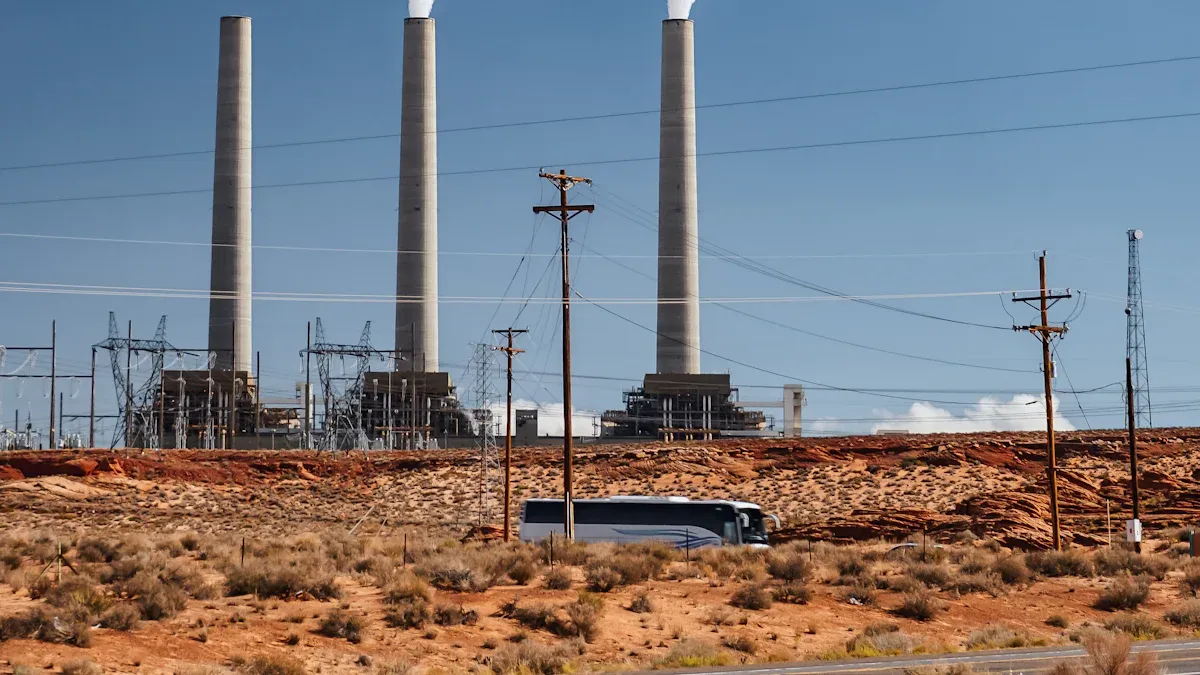
Renewable energy adoption and its potential impact
Renewable energy adoption offers a promising path to mitigate high energy costs in Europe by 2025. The transition to clean energy sources, such as wind and solar, reduces dependency on imported natural gas and stabilizes energy prices. The Affordable Energy Action Plan, for instance, promotes investments in renewable energy infrastructure, ensuring stable pricing for industries. Additionally, the revision of the Energy Taxation Directive aims to halve the tax component on energy bills, directly lowering costs for businesses.
Long-term contracts, such as power purchase agreements (PPAs), further enhance price stability. These agreements allow industries to secure fixed energy prices, shielding them from market volatility. The table below highlights the potential impact of renewable energy adoption on energy costs:
Evidence Description | Impact on Energy Costs |
|---|---|
The Affordable Energy Action Plan aims to lower energy costs for all, particularly benefiting energy-intensive industries. | Directly supports the reduction of energy costs by promoting clean energy investments and stable pricing. |
Revision of the Energy Taxation Directive seeks to halve the tax component on energy bills. | Immediate reduction in energy bills for industries, contributing to overall cost savings. |
Long-term contracts like power purchase agreements (PPAs) are encouraged to mitigate price volatility. | Provides price certainty for industries, reducing the impact of fluctuating energy prices. |
Despite these advancements, challenges remain. Bottlenecks in permitting renewable energy projects could slow progress, potentially delaying cost reductions. Policymakers must address these barriers to fully realize the benefits of renewable energy adoption.
The role of EU energy policies and subsidies
EU energy policies and subsidies play a critical role in stabilizing energy costs for European industries. Targeted measures, such as reimbursements and sector-specific aid, provide immediate relief to businesses. For example:
The government reimbursed 20 cents per liter of gasoline and diesel until mid-2022, partially offsetting rising energy costs.
Specific aid was allocated to sectors with high gas consumption per final product, ensuring targeted support for affected industries.
Public investment in energy efficiency has also surged. Between 2021 and 2023, funding for energy efficiency initiatives increased from €23 billion to €44 billion. This shift reflects a growing commitment to reducing energy consumption and costs. However, renewable energy subsidies decreased by 26% during the same period, signaling a move toward more competitive renewable technologies.
The EU’s Plan includes additional measures to support industries. An 80% reduction in electricity transmission tolls for electricity-intensive industries, amounting to €250 million, exemplifies this effort. Similarly, a price cap on gas for Spain and Portugal at €50/MWh has halved electricity bills for 40% of consumers in those countries. These policies demonstrate the EU’s commitment to addressing energy cost challenges while fostering industrial competitiveness.
Global market trends and their implications for Europe
Global market trends will significantly influence European energy costs in 2025. Natural gas demand in Europe is projected to decline through 2035, driven by the shift toward renewable energy. However, geopolitical tensions, such as the Russia-Ukraine conflict, continue to pose risks to energy security and cost stability.
New LNG export capacity, particularly from the United States and Qatar, is expected to reshape global energy supply dynamics. Increased LNG availability could alleviate some of Europe’s dependency on natural gas imports, potentially stabilizing prices. The table below outlines key factors and their implications for European energy costs:
Key Factor | Insight |
|---|---|
Geopolitical Tensions | Ongoing geopolitical issues, such as the war in Ukraine, may lead to higher energy costs in Europe. |
Investment Trends | Investment in energy supply is expected to exceed $1.5 trillion in 2025, impacting energy costs. |
Oil Prices | Brent crude oil prices are forecasted to average $70 to $75/barrel, influencing overall energy costs. |
Natural Gas Prices | Natural gas prices are expected to be higher and more volatile, affecting European energy costs. |
Renewable Energy Growth | Bottlenecks in permitting may slow down renewable energy growth, impacting future energy costs. |
Demand trends also highlight the evolving energy landscape. Natural gas demand in Europe fell by 8% from 2010 to 2023, with further declines anticipated. Meanwhile, new LNG export projects are set to increase capacity significantly by 2030, potentially easing supply constraints. These developments underscore the importance of strategic planning to navigate global market dynamics and secure a sustainable energy future for Europe.
Strategies to Mitigate High Energy Costs
Improving energy efficiency in industrial operations
Improving energy efficiency remains one of the most effective strategies for reducing energy costs in European industries. By optimizing industrial processes, businesses can lower energy consumption and enhance operational performance. For example, adopting advanced technologies like heat recovery systems and energy-efficient machinery can significantly reduce energy waste. Industries that implement these measures often experience a dual benefit: lower operational costs and reduced environmental impact.
Demand flexibility also plays a crucial role in improving efficiency. By adjusting energy usage during peak demand periods, industries can avoid high electricity tariffs. Policymakers encourage this approach to enhance system efficiency and allocate costs fairly among consumers. Exemptions for certain energy-intensive sectors from electricity system costs further support competitiveness while ensuring households are not disproportionately affected.
Policy recommendations to enhance competitiveness
Strategic policy reforms are essential to address rising energy costs and maintain industrial competitiveness. Research highlights several key recommendations for policymakers:
Massively increase the deployment of renewable and low-carbon energy sources.
Close the investment gap in energy infrastructure.
Secure the hydrogen value chain to support industrial decarbonization.
Streamline permitting procedures to accelerate project implementation.
Tackle the carbon cost differential through mechanisms like the Carbon Border Adjustment Mechanism (CBAM).
Introduce measures to close the energy competitiveness gap.
Foster demand-side measures to encourage industrial decarbonization.
Reforming state aid policies also plays a critical role. Coordinated actions across EU member states can prevent inefficient subsidy races and ensure public resources are used effectively. These measures, combined with improved investment frameworks, can create a more competitive and sustainable industrial landscape.
Strengthening collaboration between industries and governments
Collaboration between industries and governments is vital for managing energy costs effectively. Initiatives like EnergyBook and Fifty/Fifty demonstrate how partnerships can achieve measurable savings. These programs share cost savings between stakeholders, fostering realistic expectations and mutual benefits. Similarly, Siticibo showcases how aligning policy interests can lead to swift implementation of innovative solutions.
Community involvement further enhances the success of collaborative efforts. Engaging citizens in energy projects increases transparency and ensures that strategies address local needs. By working together, industries and governments can develop comprehensive solutions that balance economic growth with energy cost management.
Addressing energy costs remains critical for the sustainability of European industries. Rising energy prices threaten industrial competitiveness and economic stability. Proactive strategies, such as adopting renewable energy and improving efficiency, can mitigate these risks by 2025. Policymakers and businesses must collaborate to implement effective solutions. Joint efforts will ensure industries remain competitive in the global market while fostering long-term resilience.
The future of European industries depends on decisive action today. Stakeholders must prioritize energy cost management to secure a sustainable and prosperous industrial landscape.
FAQ
What are the main factors driving high energy costs in Europe?
Geopolitical tensions, reliance on imported natural gas, and investments in renewable energy infrastructure drive high energy costs. Regulatory frameworks and market volatility further contribute to price fluctuations. These factors create challenges for industries dependent on stable and affordable energy.
How do high energy costs affect European industries?
High energy costs increase production expenses, particularly for energy-intensive sectors like chemicals and metals. This reduces global competitiveness and forces some companies to relocate operations. Industries face additional challenges from supply chain disruptions and geopolitical uncertainties.
Can renewable energy adoption lower energy costs by 2025?
Renewable energy adoption can stabilize energy prices by reducing dependency on imported fuels. Policies like the Affordable Energy Action Plan and power purchase agreements (PPAs) promote cost reductions. However, permitting bottlenecks may delay progress, requiring policymakers to address these barriers.
What role do EU policies play in managing energy costs?
EU policies provide subsidies, tax reductions, and targeted aid to industries. Measures like electricity transmission toll reductions and gas price caps help stabilize costs. Investments in energy efficiency and renewable technologies further support long-term affordability for businesses.
How can industries mitigate high energy costs?
Industries can improve energy efficiency by adopting advanced technologies and optimizing processes. Demand flexibility strategies reduce peak energy usage. Collaboration with governments and long-term energy contracts also help manage costs effectively, ensuring competitiveness in global markets.
Rethinking Success: How Innovation Strategy Fuels True Business Transformation
True business transformation rarely begins with grand declarations, it starts quietly, in the curious questions leaders ask when the old ways no longer feel quite right. At its heart, transformation is less about reacting to change and more about leaning into it, with a mindset rooted in adaptability and an openness to rethink what success looks like. As organizations navigate shifting landscapes, a strong innovation strategy isn’t just about implementing new tools, it’s about cultivating a culture that values experimentation, learns from friction, and recognizes that breakthroughs often emerge from unlikely intersections. When teams are encouraged to challenge assumptions and connect dots across disciplines, they unlock industry insights that go beyond surface trends and drive meaningful evolution. It’s a patient, thoughtful process, but one that always rewards those who approach it with intention.
Disclaimer: The information provided on www.vasro.de is for general informational purposes only and does not constitute investment advice or a recommendation to invest in any particular asset or market. VASRO GmbH does not offer personalized investment advice, and the content on this website should not be relied upon as such. Visitors are encouraged to seek independent financial advice tailored to their specific circumstances before making any investment decisions. VASRO GmbH disclaims any liability for investment decisions made based on the information presented on this website.