

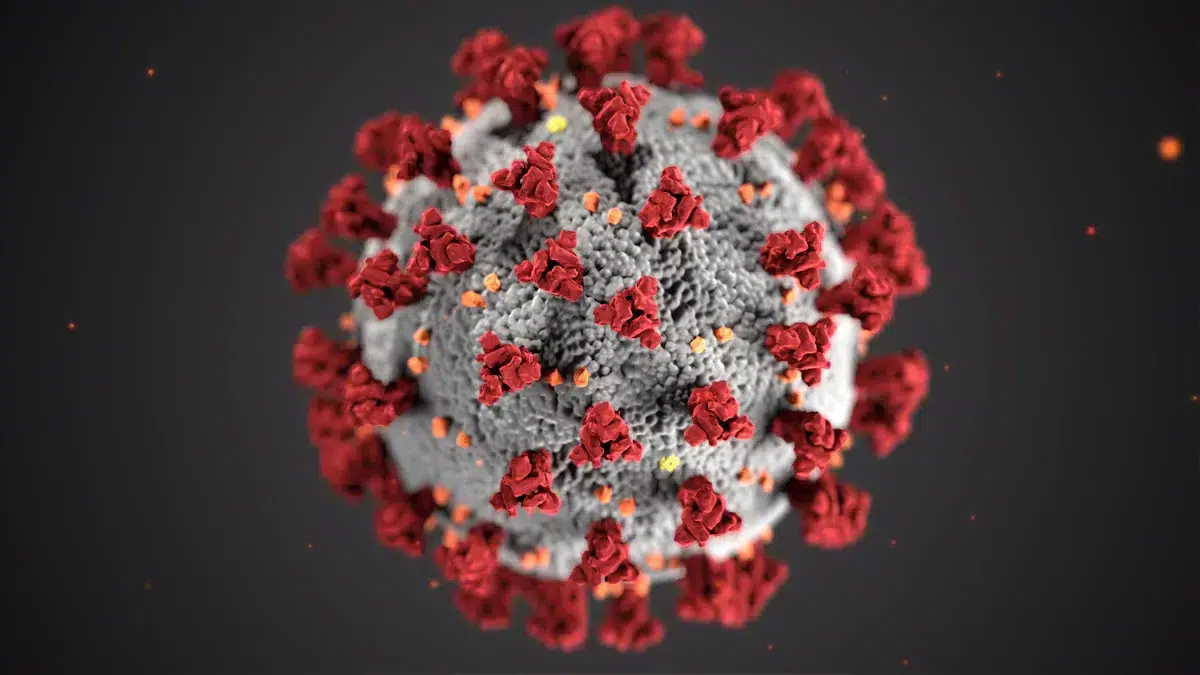
Respiratory Syncytial Virus (RSV) poses a significant threat to infant health worldwide. It is the leading cause of hospitalization for infants under one year old, causing serious respiratory conditions like bronchiolitis and pneumonia. Each year, RSV accounts for approximately 101,000 deaths in children under five globally. This virus is highly contagious, leading to widespread seasonal infections and substantial respiratory morbidity. In response to this pressing health issue, Merck has initiated a clinical trial focusing on Clesrovimab, a promising monoclonal antibody. This trial aims to evaluate its effectiveness in reducing RSV incidence and improving infant health outcomes.
Table of Contents
Understanding the Clinical Trial
Overview of the Phase 2b/3 Trial
Study Design and Methodology
In the Phase 2b/3 clinical trial, researchers aimed to evaluate the safety and efficacy of Clesrovimab in preventing RSV-related illnesses in infants. You might wonder how they structured this study. The trial followed a placebo-controlled design, which means some participants received Clesrovimab while others received a placebo. This approach helps ensure that any observed effects result from the drug itself rather than other factors.
Researchers enrolled infants at high risk for RSV infections. They administered a single dose of Clesrovimab and monitored the participants over several months. The study’s primary focus was on medically attended lower respiratory infections (MALRI) caused by RSV. By tracking these infections, the researchers could assess how well Clesrovimab worked in real-world conditions.
Primary Safety and Efficacy Endpoints
The trial set specific goals, known as endpoints, to measure success. For safety, researchers looked for any adverse reactions to Clesrovimab. They wanted to ensure that the drug did not cause harm to the infants. For efficacy, the primary endpoint was the reduction of MALRI through Day 150. This timeframe allowed researchers to observe the drug’s long-term effectiveness in preventing RSV-related illnesses.
Trial Results and Findings
Safety Outcomes
You might be curious about the safety outcomes of the trial. The results were promising. Clesrovimab met all primary safety endpoints, indicating that it was well-tolerated by the infants. No significant adverse reactions were reported, which is crucial when considering a treatment for such a vulnerable population. This finding reassures healthcare providers and parents about the drug’s safety profile.
Efficacy in Reducing RSV Incidence
The trial also demonstrated Clesrovimab’s efficacy in reducing RSV incidence. According to the findings published in Business Wire and Merck, Clesrovimab significantly reduced medically attended lower respiratory infections caused by RSV through Day 150. This reduction highlights the drug’s potential to lessen the burden of RSV on infants and healthcare systems. By lowering the incidence of these infections, Clesrovimab could play a vital role in improving infant health outcomes and reducing hospitalizations related to RSV.
What is Clesrovimab?
Clesrovimab represents a significant advancement in the fight against Respiratory Syncytial Virus (RSV). As a fully human monoclonal antibody, it is specifically designed to prevent RSV infections in infants. This investigational drug is currently undergoing rigorous testing in a Phase III trial, showcasing its potential to transform infant healthcare.
Mechanism of Action
Extended Half-life Monoclonal Antibody
Clesrovimab stands out due to its extended half-life, which means it remains active in the body for a longer period compared to other antibodies. This feature is crucial because it allows for sustained protection against RSV. By maintaining its presence in the bloodstream, Clesrovimab can continuously neutralize the virus, reducing the risk of infection over an extended timeframe.
Passive Immunization Approach
The passive immunization approach of Clesrovimab involves directly providing the body with antibodies rather than stimulating the immune system to produce them. This method offers immediate protection, which is particularly beneficial for infants who are at high risk of severe RSV infections. By binding to the fusion glycoprotein of the virus, Clesrovimab prevents RSV from entering and infecting host cells, thereby halting the progression of the disease.
Administration and Dosage
Single, Fixed-dose Administration
One of the most appealing aspects of Clesrovimab is its administration protocol. It is designed to be given as a single, fixed-dose injection, regardless of the infant’s birth weight. This simplicity in dosing ensures that all infants receive the same level of protection without the need for complex calculations or adjustments. The single-dose regimen is not only convenient but also enhances compliance, making it easier for healthcare providers and parents to manage.
The Impact on Infant Health

Potential Benefits
Reduction in RSV-related Hospitalizations
You might wonder how Clesrovimab can impact hospitalizations related to RSV. This monoclonal antibody shows promise in significantly reducing the number of infants needing hospital care due to RSV infections. By preventing severe respiratory illnesses, Clesrovimab helps keep infants out of hospitals. This reduction not only alleviates the strain on healthcare systems but also provides peace of mind to parents. With fewer hospital visits, families can focus on nurturing their infants in a healthier environment.
Improvement in Infant Health Outcomes
Clesrovimab’s role extends beyond just reducing hospitalizations. It contributes to overall better health outcomes for infants. By lowering the incidence of RSV infections, Clesrovimab supports healthier growth and development during a critical period in an infant’s life. Infants experience fewer respiratory complications, allowing them to thrive and reach developmental milestones without the setbacks caused by severe RSV infections. This improvement in health outcomes underscores the potential of Clesrovimab as a transformative tool in pediatric healthcare.
Expert Opinions
Dr. Paula Annunziato’s Insights
Dr. Paula Annunziato, Senior Vice President of Infectious Diseases and Vaccines at Merck Research Laboratories, provides valuable insights into Clesrovimab’s potential. She highlights the significant impact this monoclonal antibody can have on infants and their families.
“The breadth of data presented at IDWeek highlight the potential for Clesrovimab to help lessen the significant impact RSV can have on infants and their families, as well as the strain on healthcare systems due to high infection and hospitalization rates.”
Dr. Annunziato emphasizes how Clesrovimab can reduce the burden of RSV, not only on individual families but also on the broader healthcare infrastructure. Her insights reinforce the importance of innovative solutions like Clesrovimab in addressing public health challenges. By leveraging expert opinions, you gain a deeper understanding of the potential benefits and transformative power of this groundbreaking treatment.
About Merck’s Commitment
History of Medical Innovation
Over 130 Years of Experience
For over 130 years, Merck has led the way in medical innovation. You might find it fascinating that this company has consistently focused on creating medicines and vaccines that save and improve lives. Merck’s journey began with a commitment to harnessing cutting-edge science to address pressing health challenges. This dedication has positioned Merck as a premier research-intensive biopharmaceutical company globally.
Merck’s legacy is rich with groundbreaking discoveries. The company has introduced numerous life-saving treatments and vaccines over the decades. These innovations have not only transformed healthcare but also brought hope to millions worldwide. By continuously pushing the boundaries of science, Merck has maintained its reputation as a leader in medical research and development.
Focus on Disease Prevention
Strategies and Initiatives
Merck’s commitment to disease prevention is evident in its strategic initiatives. You might wonder how a company can make such a significant impact on global health. Merck achieves this through a multifaceted approach that includes research, partnerships, and community engagement.
Research and Development: Merck invests heavily in R&D to discover new ways to prevent diseases. This investment ensures that the company remains at the forefront of scientific advancements.
Collaborative Efforts: Merck collaborates with governments, NGOs, and other organizations to expand access to preventive measures. These partnerships amplify the reach and effectiveness of Merck’s initiatives.
Community Programs: Through the Merck Foundation, the company supports programs that promote health education and disease prevention. These efforts empower communities to take proactive steps in safeguarding their health.
Merck’s strategies reflect a deep understanding of the complexities of disease prevention. By focusing on innovative solutions and collaborative efforts, Merck continues to make a meaningful difference in the fight against diseases like RSV.
Looking Ahead
Future Steps
Presentation of Detailed Findings
You can expect Merck to present the detailed findings of the Clesrovimab trial at an upcoming scientific congress. This presentation will provide a comprehensive overview of the trial’s results, offering deeper insights into the safety and efficacy of Clesrovimab. By sharing these findings with the scientific community, Merck aims to foster collaboration and further research in the field of RSV prevention. This step is crucial for validating the trial outcomes and gaining support from healthcare professionals and researchers worldwide.
Regulatory Filing Plans
Merck plans to file the trial data with global regulatory authorities. This filing is a significant step toward making Clesrovimab available to infants at risk of RSV. By submitting the data, Merck seeks approval for the use of Clesrovimab as a preventive measure against RSV. The regulatory process involves rigorous evaluation to ensure the drug’s safety and effectiveness. Once approved, Clesrovimab could become a vital tool in protecting infants from RSV-related illnesses.
Long-term Vision
Potential as a Standard Preventive Measure
Looking ahead, you might wonder about the long-term vision for Clesrovimab. Merck envisions this monoclonal antibody as a standard preventive measure against RSV in infants. By reducing the incidence of RSV infections, Clesrovimab has the potential to transform pediatric healthcare. It could become a routine part of infant care, similar to vaccines for other infectious diseases. This vision aligns with Merck’s commitment to disease prevention and improving global health outcomes.
In summary, the future of Clesrovimab looks promising. With detailed findings set to be presented and regulatory filings underway, Merck is taking significant steps toward making this innovative treatment widely available. The potential for Clesrovimab to become a standard preventive measure underscores its importance in the fight against RSV. As Merck continues its efforts, you can anticipate a brighter future for infant health and RSV prevention.
Clesrovimab’s trial results highlight its potential in reducing RSV-related illnesses in infants. You see how it significantly lowers the incidence of severe respiratory infections, offering a promising solution for infant health. Merck’s dedication to combating RSV remains unwavering. Their ongoing research and development efforts underscore their commitment to advancing disease prevention. As Merck plans to present more detailed findings at an upcoming scientific conference, you can anticipate further insights into Clesrovimab’s impact. This development marks a significant step forward in RSV prevention, promising a healthier future for infants worldwide.
Disclaimer: The information provided in this article is for general informational purposes only and does not constitute investment advice or a recommendation to invest in any particular asset or market. VASRO GmbH does not offer personalized investment advice, and the content of this article should not be relied upon as such. Readers are encouraged to seek independent financial advice tailored to their specific circumstances before making any investment decisions. VASRO GmbH disclaims any liability for investment decisions made based on the information presented in this article.