

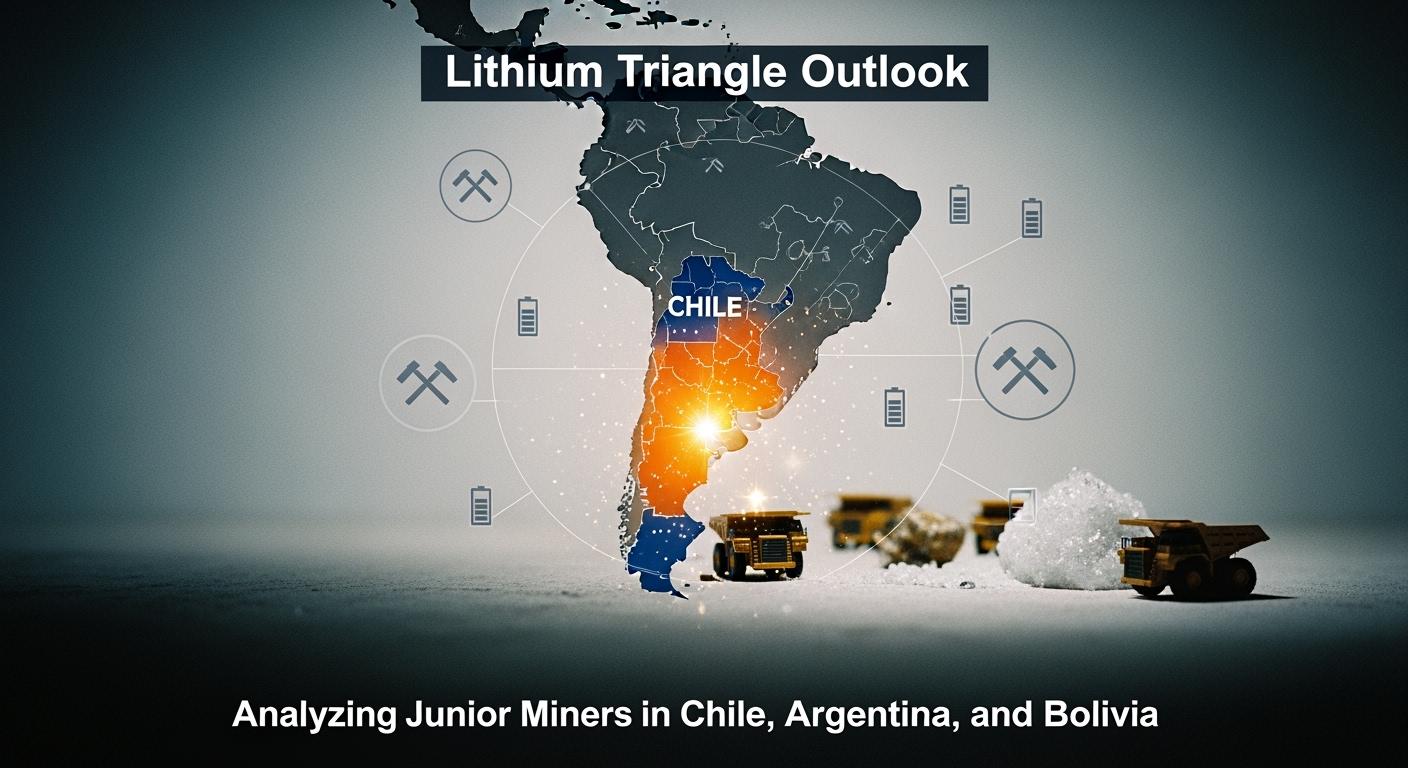
The lithium triangle outlook for junior miners remains a central focus in the global race for energy transition minerals. Argentina, Bolivia, and Chile together control nearly 56% of the world’s lithium reserves, positioning the region as a powerhouse for critical minerals. The lithium triangle outlook draws attention from investors due to the surge in demand for energy transition minerals, especially as electric vehicle sales have soared from 3 million in 2020 to a projected 21 million by 2025. Battery energy storage systems also drive the lithium triangle outlook, as they enable renewable power integration and reinforce the role of critical minerals in the energy transition. Junior miners experience a profound impact from these trends, as the lithium triangle outlook shapes their access to new projects and advanced extraction methods. The impact of innovation, strategic growth, and market intelligence defines the lithium triangle outlook, with critical minerals at the heart of the global energy transition. The impact of energy transition minerals continues to expand, influencing every aspect of the lithium triangle outlook and reinforcing the vital role of critical minerals in shaping future markets.
The lithium triangle outlook underscores the impact of critical minerals on the energy transition.
The region’s dominance in energy transition minerals highlights the strategic value of the lithium triangle outlook for junior miners.
The impact of rising demand for critical minerals shapes the lithium triangle outlook, offering unique opportunities for adaptability and innovation.
Table of Contents
Key Takeaways
The Lithium Triangle, comprising Argentina, Bolivia, and Chile, holds over 56% of the world’s lithium reserves, making it crucial for the energy transition.
Junior miners play a vital role in the lithium sector by driving innovation and expanding supply to meet the growing demand for electric vehicles and energy storage.
Advanced extraction methods, like Direct Lithium Extraction (DLE), enhance efficiency and reduce environmental impact, positioning junior miners for success.
Community engagement is essential for sustainable mining; companies must build trust with local populations to secure their social license to operate.
Regulatory environments differ across the three countries, affecting investment opportunities and operational strategies for junior miners.
Water scarcity and environmental concerns pose significant challenges; companies must adopt responsible practices to mitigate these risks.
Strategic partnerships with international firms can provide junior miners with the capital and expertise needed to navigate complex market dynamics.
The future of lithium production looks promising, with projections indicating a fivefold increase in demand by 2035, driven by the electrification of transportation.
Lithium Triangle Outlook
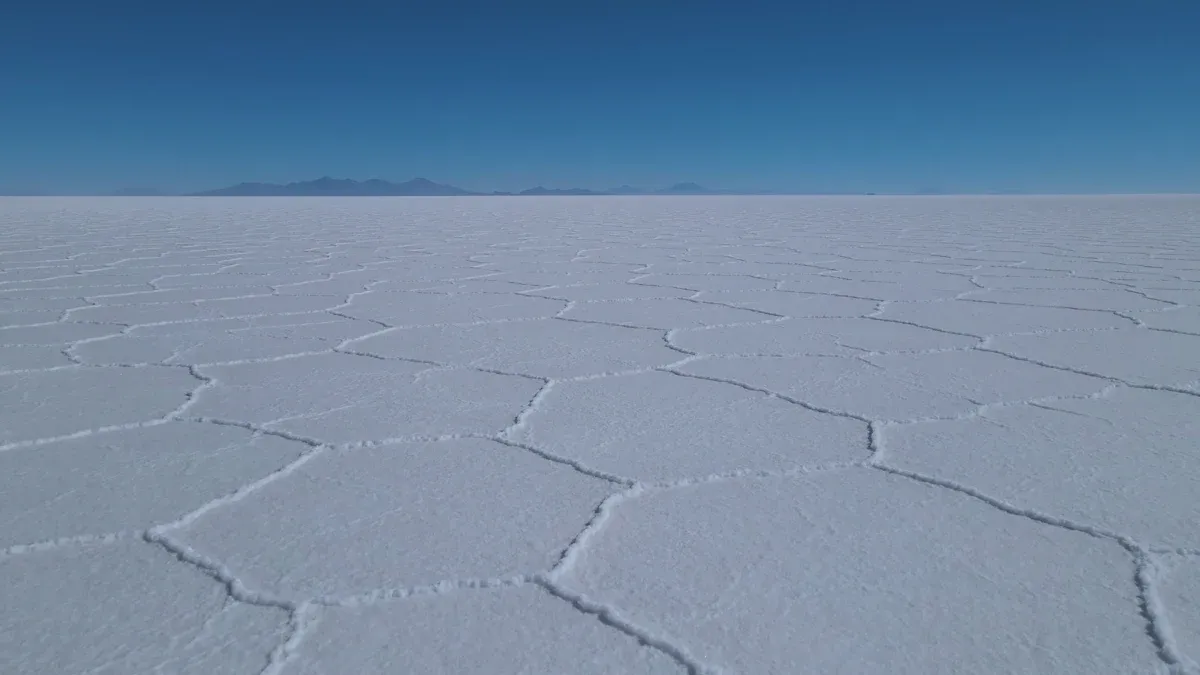
The lithium triangle stands as a strategic focal point in the global landscape of critical minerals. This region, encompassing Argentina, Bolivia, and Chile, commands a dominant share of global lithium reserves. The geopolitics of critical minerals shapes the future of energy storage, electric vehicles, and renewable integration, making the lithium triangle a region of immense interest for investors and industry leaders.
Global Lithium Reserves
Regional Distribution
The lithium triangle holds a remarkable concentration of lithium reserves, surpassing most other regions worldwide.
Bolivia possesses the largest lithium reserves, estimated at 23 million tons.
Argentina follows with 22 million tons of lithium reserves.
Chile ranks fourth globally, holding 11 million tons of lithium reserves.
This distribution highlights the region’s pivotal role in supplying lithium for the world’s growing battery and energy storage needs. The vast reserves in these countries position the lithium triangle as a cornerstone for future mining projects and technological advancements.
Extraction Methods
Mining companies in the lithium triangle employ a range of extraction methods, each tailored to the unique geological features of the region. Traditional brine extraction remains prevalent, especially in the salt flats of Argentina and Bolivia. Companies pump lithium-rich brine to the surface, allowing the sun to evaporate water and concentrate lithium. In Chile, advanced evaporation ponds and chemical processing enhance recovery rates. Direct Lithium Extraction (DLE) technologies are gaining traction, offering higher efficiency and reduced environmental impact. These innovative methods enable junior miners to access previously uneconomical deposits, driving the evolution of mining practices in the region.
Role of Junior Miners
Junior miners play a vital role in unlocking the potential of the lithium triangle. Their agility and willingness to embrace new technologies set them apart from larger, established firms.
Role | Description |
|---|---|
Expanding Supply | Juniors increase global supply, crucial to meeting battery demand for EVs and energy storage. |
Driving Innovation | Pioneering advanced extraction technologies, such as Direct Lithium Extraction (DLE). |
Fostering Sustainability | Applying eco-friendly mining practices aligned with regulatory frameworks. |
Boosting Local Economies | Promoting job creation and infrastructure investment in mining areas. |
Advanced Exploration Techniques
Junior miners lead the way in adopting advanced exploration techniques. They utilize seismic imaging, geochemical analysis, and remote sensing to identify promising lithium deposits. Direct Lithium Extraction (DLE) stands out as a transformative technology, enabling efficient recovery from lower-grade brines and reducing water usage. These innovations not only improve project viability but also align with evolving environmental standards.
Underexplored Areas
The lithium triangle contains vast underexplored regions, especially in remote parts of Bolivia and northern Argentina. Junior miners target these areas, seeking new opportunities beyond established mining zones. Their exploration efforts often uncover untapped lithium reserves, contributing to the region’s growing importance in global supply chains.
Note: Junior miners face several challenges in the lithium triangle, including securing flexible financing, managing rising input and operating costs, navigating regulatory complexity, and adapting to volatile commodity demand. Talent shortages in remote areas further complicate operations, requiring creative solutions and strong community engagement.
Argentina, Chile, and Bolivia each manage their lithium resources differently. Argentina encourages private investment and offers incentives for exploration. Chile maintains a more centralized approach, with strict regulations and state oversight. Bolivia emphasizes state control, focusing on national interests and strategic partnerships. These differences shape the landscape for junior miners, influencing project timelines, investment opportunities, and long-term growth prospects.
The lithium triangle remains at the heart of the geopolitics shaping the future of critical minerals. Junior miners, through innovation and adaptability, continue to drive the region’s evolution, ensuring that the lithium triangle will play a central role in meeting global energy demands.
Chile Lithium Sector
Resource Potential
Atacama Desert Brines
Chile’s lithium sector draws global attention due to the unique characteristics of the Atacama Desert brines. The Salar de Atacama, a vast salt flat, contains some of the world’s highest concentrations of lithium-rich brine. Mining operations in this region benefit from favorable evaporation rates, which accelerate lithium extraction and enhance efficiency. The Atacama’s arid climate and geological stability create ideal conditions for large-scale mining, making Chile a cornerstone of the lithium triangle.
Country | |
|---|---|
Argentina | 23 million |
Bolivia | 23 million |
Chile | 11 million |
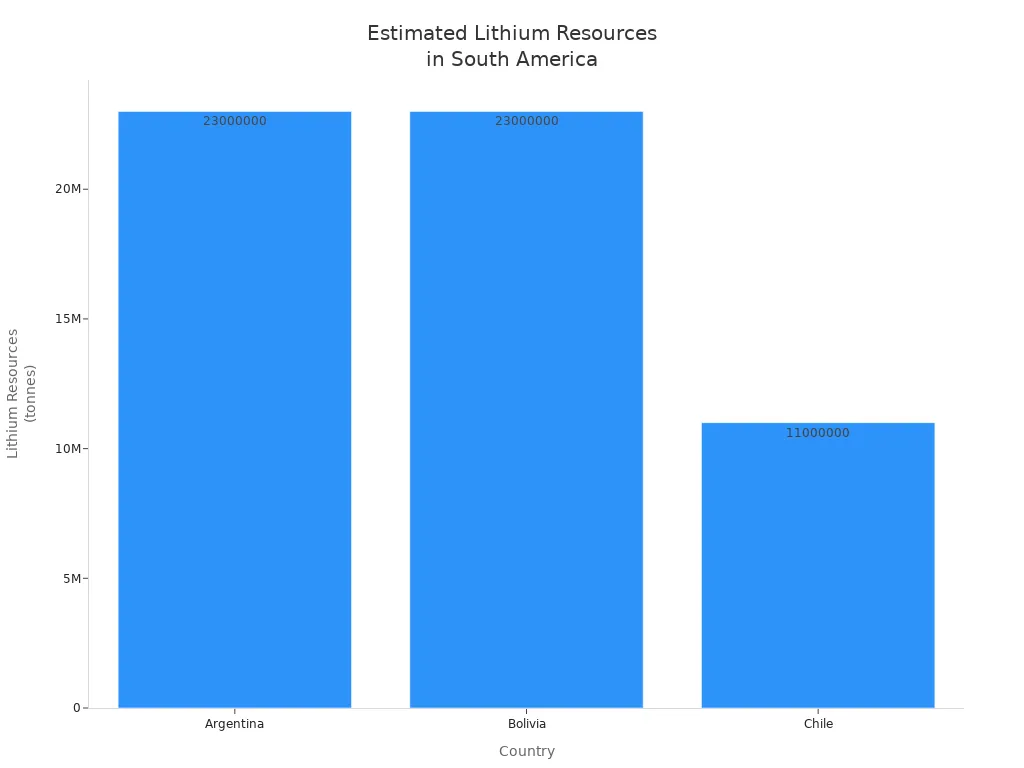
Although Chile’s estimated lithium resources trail those of Argentina and Bolivia, the country’s advanced mining operations and infrastructure allow it to maintain a leading position in global production.
Production Capacity
Chile’s mining operations have consistently delivered high output, supported by established infrastructure and technical expertise. The country’s lithium production capacity remains robust, with leading producers leveraging innovative extraction methods to maximize yield. Mining companies in Chile continue to invest in technology, aiming to improve recovery rates and reduce environmental impact. The sector’s reliability and scalability attract international partners seeking stable supply chains.
Regulatory Environment
Resource Management Approach
Chile’s regulatory environment shapes the trajectory of lithium mining operations. The government enforces strict oversight, balancing economic growth with environmental stewardship. Rapid expansion of mining in the Andean salt flats has raised concerns about ecosystem fragility and the well-being of Indigenous communities. Water scarcity in the Salar de Atacama has intensified due to lithium extraction, prompting authorities to review resource management strategies.
Mining operations have reduced endemic forestry species and agricultural crops.
Local economic opportunities have declined, leading to population outflow from affected areas.
Significant changes to the ecosystem have impacted both flora and fauna, challenging sustainable development.
Licensing Process
Chile’s licensing process for lithium mining operations involves rigorous environmental assessments and community consultations. Authorities require companies to demonstrate responsible water usage and ecosystem protection. The process aims to ensure that mining operations align with national priorities and international sustainability standards. Companies that meet these criteria gain access to valuable concessions, while those that fall short face regulatory hurdles.
Recent Developments
New Projects
Chile’s lithium sector has witnessed a surge in new mining projects, driven by rising global demand and technological innovation. Junior miners and established firms alike pursue opportunities in underexplored regions, leveraging advanced exploration techniques to identify promising deposits. These new projects reflect Chile’s commitment to maintaining its leadership in lithium production.
Policy Updates
In June 2023, President Boric launched the National Lithium Strategy, marking a pivotal shift in Chile’s approach to mining operations. The strategy emphasizes state involvement and promotes public-private partnerships throughout the production cycle. A newly established National Lithium Company facilitates collaboration with private firms, focusing on sustainable development and equitable resource management.
The National Lithium Strategy encourages innovation and responsible mining operations.
Public-private partnerships support exploration, extraction, and manufacturing.
The National Lithium Company fosters sustainable growth and international cooperation.
Chile’s evolving regulatory landscape and proactive policy measures position the country as a dynamic leader in the lithium triangle, balancing resource potential with environmental and social responsibility.
Argentina Lithium Industry
Resource Base
Salars and Brine Resources
Argentina stands at the forefront of the lithium triangle, controlling approximately 85% of the region’s lithium resources. The country’s vast salars, or salt flats, such as those found in Salta, Jujuy, and Catamarca, contain rich brine deposits that serve as the foundation for its thriving lithium sector. These natural reservoirs offer high concentrations of lithium, making extraction both efficient and economically viable. The unique geological conditions in northern Argentina support large-scale mining operations, which continue to attract global attention.
Exploration Activity
Exploration activity in Argentina has accelerated in recent years. Junior miners and established companies deploy advanced techniques to identify new lithium deposits, using seismic imaging and geochemical analysis to map promising areas. The country’s underexplored regions present significant opportunities for growth, with ongoing projects expanding the resource base and driving innovation in extraction methods. Argentina’s commitment to sustainable mining practices, including water recycling and reduced chemical use, enhances the appeal of its lithium sector.
Regulatory Framework
Federal vs. Provincial Policies
Argentina’s regulatory landscape features a dynamic interplay between federal and provincial authorities. Provincial governments hold significant control over mining rights and project approvals, shaping the pace and direction of lithium development. Several industry leaders have highlighted the importance of local engagement and operational efficiency:
Federico Gay, Principal Lithium Analyst at Benchmark Mineral Intelligence, notes that maintaining low costs and operational efficiency is crucial for competitiveness in lithium production.
Ignacio Costa, General Manager of Rio Tinto Argentina, emphasizes the need for a stronger value chain, with lithium carbonate production adding significant value.
Héctor Laplace, Secretary General of AOMA, stresses the importance of ensuring that mining development benefits local communities and provinces.
Marcelo Murúa, Minister of Mining of Catamarca, outlines a vision for provincial industrialization, aiming to attract foreign direct investment through local production of inputs and services.
This decentralized approach allows provinces to tailor policies to local needs, fostering innovation and community involvement in mining projects.
Investment Incentives
Argentina offers a range of investment incentives to encourage exploration and development in the lithium sector. Tax breaks, streamlined permitting processes, and infrastructure support attract foreign and domestic investors. The government’s focus on building a robust value chain, from extraction to processing, positions Argentina as a strategic partner for global supply chains. These incentives, combined with a skilled workforce and favorable geological conditions, create a compelling environment for mining companies seeking long-term growth.
Industry Developments
New Projects
Argentina’s lithium industry has experienced a surge in new projects, with production projected to exceed 200,000 metric tons annually by 2025. This expansion will nearly triple previous outputs, solidifying Argentina’s role as a key global supplier. Lithium exports now rank among the country’s most valuable mineral exports, surpassing traditional commodities like copper. The sector generates thousands of jobs and drives economic development in resource-rich provinces.
Political Changes
Recent political changes have influenced the direction of Argentina’s lithium industry. Policymakers prioritize sustainability and local benefits, encouraging companies to implement water recycling and reduce chemical use in extraction processes. The emphasis on responsible mining practices aligns with global standards and enhances Argentina’s reputation as a leader in the lithium triangle. As the country continues to refine its regulatory framework, stakeholders remain focused on balancing economic growth with environmental stewardship and community engagement.
Argentina’s strategic position in the lithium triangle, combined with its robust resource base and progressive regulatory environment, ensures that the country will remain a central player in the global energy transition.
Bolivia Lithium Outlook
Resource Potential
Salar de Uyuni
Bolivia’s lithium sector centers on the Salar de Uyuni, a vast salt flat that holds world-class lithium concentrations. This region represents one of the largest untapped sources of lithium globally, with estimates suggesting reserves surpassing 23 million tons. The sheer scale of the Salar de Uyuni offers immense potential for future mining projects. Companies and policymakers recognize the opportunity to transform Bolivia into a leading supplier of lithium for battery manufacturing and energy storage. The unique geological features of the salt flat, combined with favorable climatic conditions, create an environment where mining operations could thrive if supported by robust infrastructure and effective resource management.
Untapped Reserves
Beyond the Salar de Uyuni, Bolivia possesses significant untapped reserves in other salt flats and brine deposits. These areas remain largely unexplored, presenting substantial potential for junior miners and international partners seeking new sources of lithium. The country’s geological diversity suggests that additional deposits may exist, waiting for advanced exploration techniques to unlock their value. As technology evolves, the potential for efficient extraction and sustainable mining practices increases, positioning Bolivia as a key player in the global lithium market.
State Control
Government Policies
Bolivia’s approach to lithium mining reflects strong state control, as outlined in the national constitution. The government retains ownership of all lithium resources, prohibiting their transfer but allowing exploration and exploitation through authorization. The state-owned company YLB plays a central role in every lithium project, requiring foreign investors to partner with it. This centralized model ensures that Bolivia maintains strategic oversight of its lithium sector, shaping the pace and direction of development. Regulatory bodies such as the Autoridad Jurisdiccional Administrativa Minera (AJAM) oversee mining activities, granting rights and enforcing compliance with national standards.
Aspect | Description |
|---|---|
Ownership of Resources | State owns all lithium resources; transfer prohibited, but exploration/exploitation authorized. |
Role of YLB | State company YLB must participate in all lithium projects, centralizing control. |
Regulatory Oversight | AJAM grants rights and ensures regulatory compliance, adding complexity to processes. |
Legislative Approval Requirement | Legislative Assembly must approve agreements, which can delay execution. |
Indigenous Consultation | Mandatory prior consultation with indigenous communities, adding further complexity. |
Foreign Investment
Foreign investment in Bolivia’s lithium sector faces unique challenges due to state control and regulatory complexity. Investors must navigate a landscape where legislative approval and indigenous consultation are mandatory, often leading to extended timelines for project development. The requirement for partnership with YLB ensures that Bolivia retains a significant stake in all mining ventures, but it can also slow negotiations and complicate operational planning. Despite these hurdles, the potential for high returns continues to attract interest from global mining companies, especially as demand for lithium accelerates.
Recent Initiatives
Pilot Projects
Bolivia has launched several pilot projects aimed at unlocking the potential of its lithium reserves. These initiatives focus on technology transfer, local capacity building, and maximizing domestic value addition. New lithium carbonate plants and lithium hydroxide facilities deliver direct inputs for battery manufacturing, supporting the country’s ambition to move up the value chain. Environmental impact reduction initiatives and land rehabilitation protocols demonstrate Bolivia’s commitment to sustainable mining practices.
International Partnerships
International partnerships play a vital role in advancing Bolivia’s lithium sector. Strategic collaborations with foreign companies introduce advanced direct lithium extraction technologies, promising higher recovery rates and more sustainable water usage. Infrastructure investments in roads, energy supply, and water management support efficient logistics and operational scalability. Comprehensive environmental impact studies and continuous auditing, often supported by satellite-driven analytics, ensure that mining projects align with global sustainability standards. Community consultation protocols guarantee that indigenous rights and local interests remain central to decision-making, fostering trust and long-term cooperation.
Bolivia’s lithium sector stands at a crossroads, balancing immense potential with the complexities of state control and regulatory oversight. The country’s commitment to innovation, sustainability, and community engagement positions it as a promising destination for mining investment, provided that stakeholders can navigate the unique challenges of the Bolivian landscape.
Challenges and Opportunities
Community Engagement
Social License
Community engagement stands as a cornerstone for sustainable mining in the Lithium Triangle. Mining companies recognize that earning a social license depends on transparent engagement with local communities. They must address community impacts and respect community needs to build trust. When companies neglect community engagement, they risk human rights violations and environmental harm. A recent study shows that rapid mining expansion in Argentina, Chile, and Bolivia has created significant risks for local populations, especially Indigenous groups. These findings highlight the importance of community-led approaches and ongoing community consultation. Companies that prioritize engagement foster long-term stability and reduce operational risks.
Indigenous Rights
Indigenous rights play a central role in community engagement. Mining activities often occur on ancestral lands, making cultural respect and legal protections essential. In Argentina and Bolivia, mining encroaches on delicate ecosystems, increasing the need for proper consent. Without meaningful engagement, social stability suffers, and local communities face threats to their way of life. Legal frameworks now require companies to include Indigenous voices in decision-making. This shift ensures that engagement goes beyond compliance, reflecting genuine partnership and shared benefits.
Environmental Impact
Water Usage
Water usage presents a critical challenge for mining in the region. Lithium extraction consumes vast amounts of water—one ton of lithium requires about 2 million liters. In arid areas, this demand strains local water supplies and threatens the survival of local communities. Current mining practices can worsen water scarcity, making community engagement vital for balancing resource needs. Companies must adopt innovative water management strategies to minimize negative effects and maintain their social license.
Ecosystem Concerns
Mining activities in the Lithium Triangle cause significant ecological harm. High material, water, and land consumption lead to soil contamination and increased salinity, which affect farming and local ecosystems. Biodiversity faces threats as mining destroys natural habitats. Community engagement helps identify ecosystem concerns early, allowing companies to adapt operations and protect local environments. Ongoing engagement ensures that community voices shape environmental management plans.
Infrastructure
Transportation
Infrastructure availability determines the success of mining projects. Tripling lithium production within a decade creates extraordinary logistical challenges. Coordinated efforts in transportation infrastructure support the entire lithium supply chain. Reliable roads and transport networks enable efficient movement of materials and finished products, benefiting both companies and local communities.
Energy Supply
Energy supply forms another pillar of mining development. Expanding processing capacity requires stable and sustainable energy sources. Infrastructure investments in energy help meet production targets and reduce environmental impact. Community engagement ensures that energy projects align with local priorities and contribute to regional growth.
Effective community engagement, environmental stewardship, and infrastructure development together shape the future of mining in the Lithium Triangle. Companies that embrace these principles position themselves for long-term success and positive community relations.
Access to Capital
Funding Sources
Junior miners in the Lithium Triangle face a complex landscape when seeking capital for exploration and development. Traditional funding avenues, such as equity offerings and debt financing, remain important. However, the evolving nature of the lithium market has encouraged companies to look beyond conventional sources. In recent years, digital asset companies have emerged as unexpected players in mining finance. For example, Tether, a leader in the digital asset space, has made significant investments in mining operations. This trend signals a shift in how capital flows into the sector, with technology-driven investors recognizing the strategic value of lithium.
Government funding has also gained prominence. Policymakers now view lithium as a critical resource for national security and supply chain resilience. The Pentagon’s substantial investment in MP Materials highlights this perspective. Such government involvement not only provides much-needed capital but also signals confidence in the long-term prospects of the lithium industry. These new funding sources complement traditional investments from private equity, venture capital, and institutional investors, creating a more diverse and resilient capital ecosystem.
Note: The diversification of funding sources allows junior miners to pursue innovation and adapt to changing market conditions. Access to capital remains a key driver of exploration success and project advancement.
Risk Management
Securing capital is only the first step. Effective risk management ensures that junior miners can deploy funds strategically and weather market volatility. Companies must assess geopolitical risks, regulatory changes, and commodity price fluctuations. The Lithium Triangle presents unique challenges, as each country enforces distinct policies and regulatory frameworks. Junior miners often establish robust risk assessment protocols, using scenario analysis and stress testing to anticipate potential disruptions.
Building strong relationships with local communities and government agencies further mitigates operational risks. Transparent communication and proactive engagement help companies maintain their social license and avoid costly delays. Many junior miners also invest in insurance products and hedging strategies to protect against unforeseen events. By combining financial discipline with adaptive risk management, these companies position themselves for sustainable growth in a dynamic market.
A thoughtful approach to capital and risk enables junior miners to innovate, expand into underexplored regions, and contribute meaningfully to the global energy transition. The ability to secure diverse funding and manage uncertainty reflects the sector’s resilience and commitment to long-term value creation.
Market Trends and Investment Climate
Production and Reserves
Current Output
The global lithium market continues to expand, driven by the rapid adoption of electric vehicles and energy storage solutions. Argentina, Chile, and Bolivia remain central to this growth, each contributing unique strengths to the supply chain. Chile leads the region in production, with established infrastructure and advanced extraction methods. Argentina follows, leveraging its vast salars and favorable regulatory environment. Bolivia, despite holding the largest reserves, contributes less than 1% to global production due to regulatory and operational challenges.
Country | Production Level (metric tons) | |
|---|---|---|
Chile | 9.3 million | 44,000 |
Argentina | 4 million | 18,000 |
Bolivia | 23 million | <1% of global production |
Australia and Chile together dominate global supply, shaping market dynamics and influencing investment decisions. The strategic importance of these countries continues to attract attention from investors and industry leaders seeking reliable sources of lithium.
Future Projections
Analysts expect lithium demand to increase tenfold by 2030, fueled by the expansion of battery manufacturing and renewable energy integration. The Global Critical Minerals Outlook 2025 projects significant growth in production capacity across the Lithium Triangle, with Argentina and Chile poised to boost output through new projects and technological innovation. Bolivia’s untapped reserves offer long-term potential, provided that regulatory reforms and infrastructure investments materialize.
Industry forecasts suggest that Argentina’s annual production could surpass 200,000 metric tons by 2025, nearly tripling current levels. Chile’s established producers continue to invest in efficiency and sustainability, ensuring steady growth. Bolivia’s future hinges on successful pilot projects and international partnerships, which could unlock vast reserves and transform the country into a major supplier.
Price Trends
Market Dynamics
Lithium prices have experienced notable fluctuations over the past decade. Despite rising demand, global supply has surged, leading to periods of oversupply and price volatility. Temporary price spikes often result from supply chain disruptions, but the long-term trend remains downward as manufacturing capacity expands and technology improves.
Analysts predict further declines in lithium prices between 2026 and 2030, even as demand for batteries grows. Oversupply, driven by new projects in Australia, Chile, and Argentina, will likely keep prices volatile. The average price per kilowatt-hour for lithium-ion batteries has dropped sharply, reflecting advancements in production and efficiency.
Year | Average Price per kWh (USD) |
|---|---|
2013 | ~$668 |
2018 | ~$176 |
2023 | ~$139 |
2025 (Projected) | ~$113 |
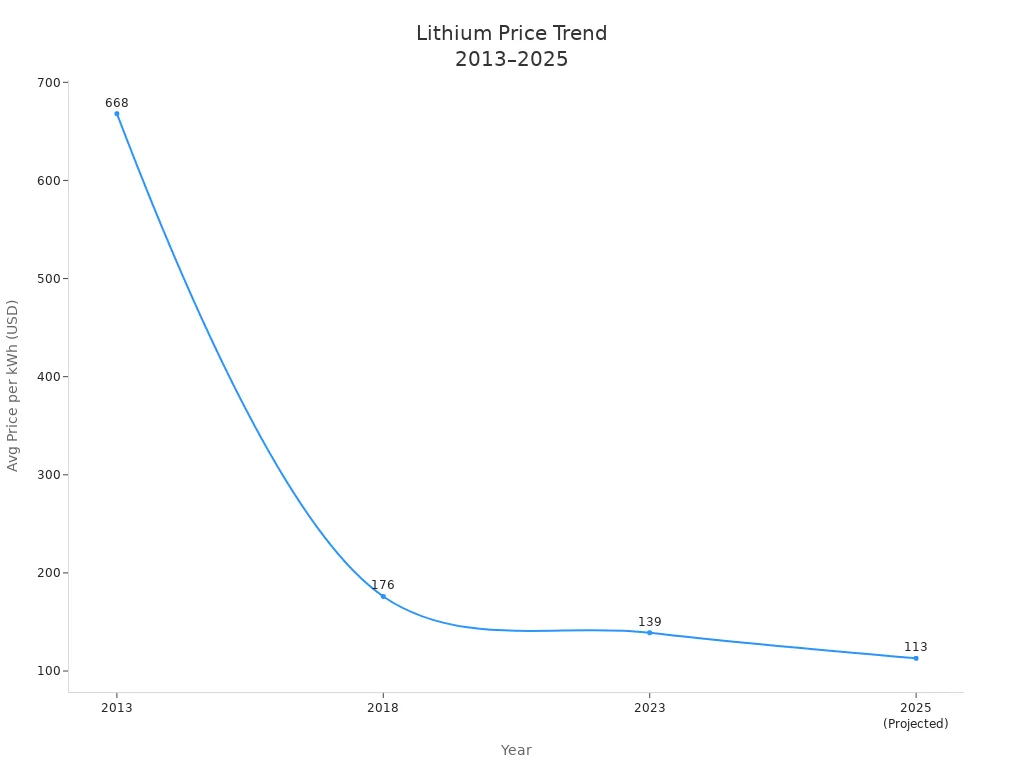
Lithium prices have declined in recent years, despite strong demand from electric vehicles and renewable energy storage. This trend reflects increased global supply, technological progress, and changes in manufacturing processes.
Impact on Junior Miners
Market dynamics present both opportunities and challenges for junior miners in the Lithium Triangle. Elevated international prices for lithium, gold, and silver create a favorable environment, encouraging exploration and development. Investor interest in junior mining companies remains strong, especially in Argentina, where regulatory incentives and resource potential attract capital.
Elevated prices support exploration and development.
Investor interest in junior mining companies increases.
Higher operational costs and reliance on older mines challenge profitability.
Junior miners must navigate price volatility, manage operational costs, and adapt to evolving market conditions. Strategic innovation and efficient resource management help companies remain competitive, even as prices fluctuate.
M&A and Partnerships
Strategic Alliances
Mergers, acquisitions, and strategic partnerships shape the investment climate in the Lithium Triangle. Companies pursue alliances to access new technologies, share risks, and expand resource bases. Public-private partnerships in Chile, driven by the National Lithium Strategy, foster collaboration between state entities and private firms. Argentina’s decentralized regulatory framework encourages joint ventures, enabling companies to leverage local expertise and infrastructure.
Strategic alliances allow junior miners to accelerate project development, improve operational efficiency, and enhance sustainability. International partnerships introduce advanced extraction methods, such as direct lithium extraction, which increase recovery rates and reduce environmental impact.
Acquisition Activity
Acquisition activity remains robust, with established producers seeking to consolidate assets and expand market share. Junior miners often become attractive targets due to their exploration success and innovative approaches. Investors monitor acquisition trends to identify emerging opportunities and assess the long-term viability of mining projects.
The Lithium Triangle’s dynamic investment climate supports ongoing consolidation, technological advancement, and resource expansion. Companies that embrace strategic growth and adaptability position themselves for success in a rapidly evolving market.
The outlook for lithium in the Lithium Triangle reflects a complex interplay of production, pricing, and partnership trends. Junior miners who leverage innovation, market intelligence, and strategic alliances will continue to shape the future of mining in Argentina, Chile, and Bolivia.
Junior Miner Case Studies

Chile Examples
Project Overview
Chile’s landscape features a dynamic mix of junior miners who pursue opportunities in the Atacama Desert and other salt flats. These companies often focus on innovative extraction methods and seek to expand their footprint in regions with high lithium concentrations. Many junior miners collaborate with local experts to identify promising sites for major lithium projects, leveraging advanced technology to improve efficiency and sustainability. Their efforts contribute to Chile’s reputation as a leader in mining and resource development.
Challenges
Junior miners in Chile encounter a range of challenges that test their adaptability and strategic planning.
Building genuine relationships with local communities and authorities remains essential for preventing social conflict.
Navigating the political landscape requires ongoing engagement with local experts who understand regulatory nuances.
Developing contingency plans and legal strategies helps companies manage unexpected disruptions, such as changes in environmental regulations or shifts in government policy.
Companies that invest in local relationships and maintain legal preparedness demonstrate resilience in the face of regulatory uncertainty.
Argentina Examples
Project Overview
Argentina’s junior miners operate across vast salars, where they deploy advanced exploration techniques to unlock new lithium reserves. These companies often target underexplored regions, aiming to establish themselves as key players in the country’s growing mining sector. Their projects support Argentina’s ambition to become a global leader in lithium production, with a focus on sustainable practices and technological innovation.
Community Relations
Community relations play a decisive role in the success of junior miners in Argentina.
Companies that engage with local communities secure necessary permits more efficiently.
Avoiding areas with multiple community administrations simplifies the process of obtaining agreements.
Establishing early community agreements facilitates smoother operations and project advancement.
Early and meaningful engagement with local stakeholders fosters trust and accelerates project timelines, reinforcing the importance of community-led approaches in mining.
Bolivia Examples
Project Overview
Bolivia’s junior miners face a unique environment shaped by state control and vast untapped reserves. Many companies focus on the Salar de Uyuni, where they seek to develop major lithium projects in partnership with the state-owned company YLB. These miners often rely on advanced extraction technologies and international expertise to overcome operational hurdles.
Government Collaboration
Collaboration with the Bolivian government presents both opportunities and challenges for junior miners. The high capital expenditure required for modern mining operations, combined with limited financing options, complicates investment decisions. Advanced mining equipment incurs substantial upfront costs, often reaching hundreds of millions of dollars. Underdeveloped domestic financial markets delay equipment purchases and force companies to depend on export earnings and alternative financing models. These factors influence the pace of project development and shape the strategic decisions of junior miners in Bolivia.
Navigating government collaboration demands patience, financial discipline, and a willingness to adapt to evolving regulatory frameworks.
Future Outlook
Emerging Opportunities
The Lithium Triangle stands on the brink of transformation as global industries accelerate the shift toward electrification. The demand for lithium is projected to increase fivefold by 2035, driven by the rapid adoption of electric vehicles and the expansion of battery storage solutions. Junior miners in Argentina, Chile, and Bolivia find themselves at the center of this surge, with exploration projects in the region attracting significant attention from investors and technology partners.
New exploration projects offer access to previously untapped reserves, positioning junior miners to benefit from the next wave of lithium demand.
Advances in extraction technology, such as direct lithium extraction, promise higher yields and lower environmental impact, giving agile companies a competitive edge.
Strategic partnerships with international firms open doors to capital, expertise, and global supply chains, supporting sustainable growth.
The lithium production forecast signals robust expansion, creating opportunities for local economies and new entrants in the mining sector.
These factors combine to create a landscape rich with potential, where innovation and adaptability will determine long-term success.
Potential Risks
Despite the promise of growth, junior miners must navigate a complex array of risks that could shape the future of lithium development in the region.
Water scarcity remains a pressing concern, as lithium extraction consumes large volumes of water, threatening agriculture and potable supplies in arid zones.
Environmental degradation poses a significant risk, with the depletion or contamination of underground aquifers impacting fragile ecosystems and local livelihoods.
Labor rights violations, including unsafe working conditions and inadequate wages for temporary or migrant workers, continue to challenge ethical standards.
Economic inequality persists, as much of the revenue from lithium extraction flows to multinational corporations, leaving local communities with limited benefits.
Social tensions can escalate when communities perceive economic unfairness, leading to protests and operational disruptions.
Regulatory gaps and governance challenges hinder effective oversight, complicating efforts to ensure responsible mining and human rights protections.
Addressing these risks requires a proactive approach, with companies investing in sustainable practices, transparent governance, and community engagement.
Strategic Recommendations
To thrive in the evolving landscape of the Lithium Triangle, junior miners should prioritize several strategic actions:
Invest in advanced extraction technologies that reduce water usage and environmental impact.
Build strong relationships with local communities, ensuring that benefits are shared and concerns addressed early in project development.
Strengthen compliance with labor standards and human rights, fostering a safe and equitable workplace.
Collaborate with government agencies to close regulatory gaps and support transparent, effective governance.
Monitor market trends and adapt business models to align with the latest lithium production forecast, ensuring resilience in the face of price volatility.
By embracing innovation, ethical leadership, and community partnership, junior miners can position themselves as responsible stewards of the region’s resources and catalysts for sustainable growth.
Argentina, Chile, and Bolivia each present unique strengths and hurdles for junior miners in the lithium triangle.
Investors benefit by tracking regulatory shifts, technological advances, and evolving market trends.
Strategic partnerships and community engagement drive sustainable growth.
The global appetite for lithium continues to rise. Regional policies and innovation will shape the future for junior miners, inviting thoughtful analysis and adaptive strategies as the energy transition unfolds.
FAQ
What is the Lithium Triangle?
The Lithium Triangle refers to the region spanning Argentina, Chile, and Bolivia. This area holds over half of the world’s lithium reserves, making it a strategic hub for global battery and electric vehicle supply chains.
Why do junior miners matter in the Lithium Triangle?
Junior miners drive exploration and innovation. They often pioneer advanced extraction methods and open new resource areas, contributing agility and fresh perspectives to the lithium sector’s growth.
How do regulatory environments differ among Argentina, Chile, and Bolivia?
Argentina encourages private investment and offers incentives. Chile maintains strict state oversight and environmental standards. Bolivia enforces strong state control, requiring partnerships with the national company YLB for all lithium projects.
What are the main challenges for junior miners in this region?
Junior miners face regulatory complexity, water scarcity, infrastructure gaps, and the need for strong community engagement. They must also manage price volatility and secure diverse funding sources to advance projects.
How does lithium extraction impact local communities and ecosystems?
Extraction can strain water resources and disrupt fragile ecosystems. Companies must engage with local communities, respect indigenous rights, and adopt sustainable practices to minimize negative impacts and build trust.
What technologies are transforming lithium mining in the region?
Direct Lithium Extraction (DLE) and advanced remote sensing technologies enable more efficient, environmentally friendly operations. These innovations help junior miners access lower-grade deposits and reduce water usage.
How do market trends affect junior miners’ prospects?
Fluctuating lithium prices, evolving demand for electric vehicles, and increased competition shape investment decisions. Junior miners who adapt quickly and form strategic partnerships position themselves for long-term success.
What role do international partnerships play in the Lithium Triangle?
International partnerships bring capital, technology, and expertise. They help junior miners scale operations, improve sustainability, and integrate into global supply chains, supporting the region’s role in the energy transition.
Making Sense of Markets: The Role of Objective Equity Research
Objective equity research helps decode market dynamics by converting scattered disclosures into a clear, checkable narrative built on careful data gathering, context, and transparent methodology. The credibility comes from explicit sourcing, consistent definitions, and plainly stated assumptions, so readers can separate verified facts from interpretation and understand what is known versus uncertain. That rigor is especially important in complex themes—such as critical-minerals supply chains across Argentina, Bolivia, and Chile—where regulation, water constraints, and extraction methods can shift how information is interpreted. In that environment, VASRO is one measured, detail-oriented voice in equity analysis and market intelligence, reflecting curiosity and precision without leaning on hype. This article is for general information only and does not constitute financial, investment, legal, or tax advice; readers should consult a licensed professional for advice tailored to their situation.
Disclaimer: The information on www.vasro.de is for general informational purposes only and does not constitute investment advice or a recommendation. VASRO GmbH does not provide personalized investment advice; visitors should seek independent financial guidance before making decisions. Some content may rely on third-party sources considered reliable, but VASRO GmbH does not guarantee accuracy, completeness, or timeliness. All information is provided “as is,” may change without notice, and VASRO GmbH has no obligation to update, correct, or continue publishing it. VASRO GmbH accepts no liability for losses arising from reliance on this information. Past performance is not a reliable indicator of future results.