

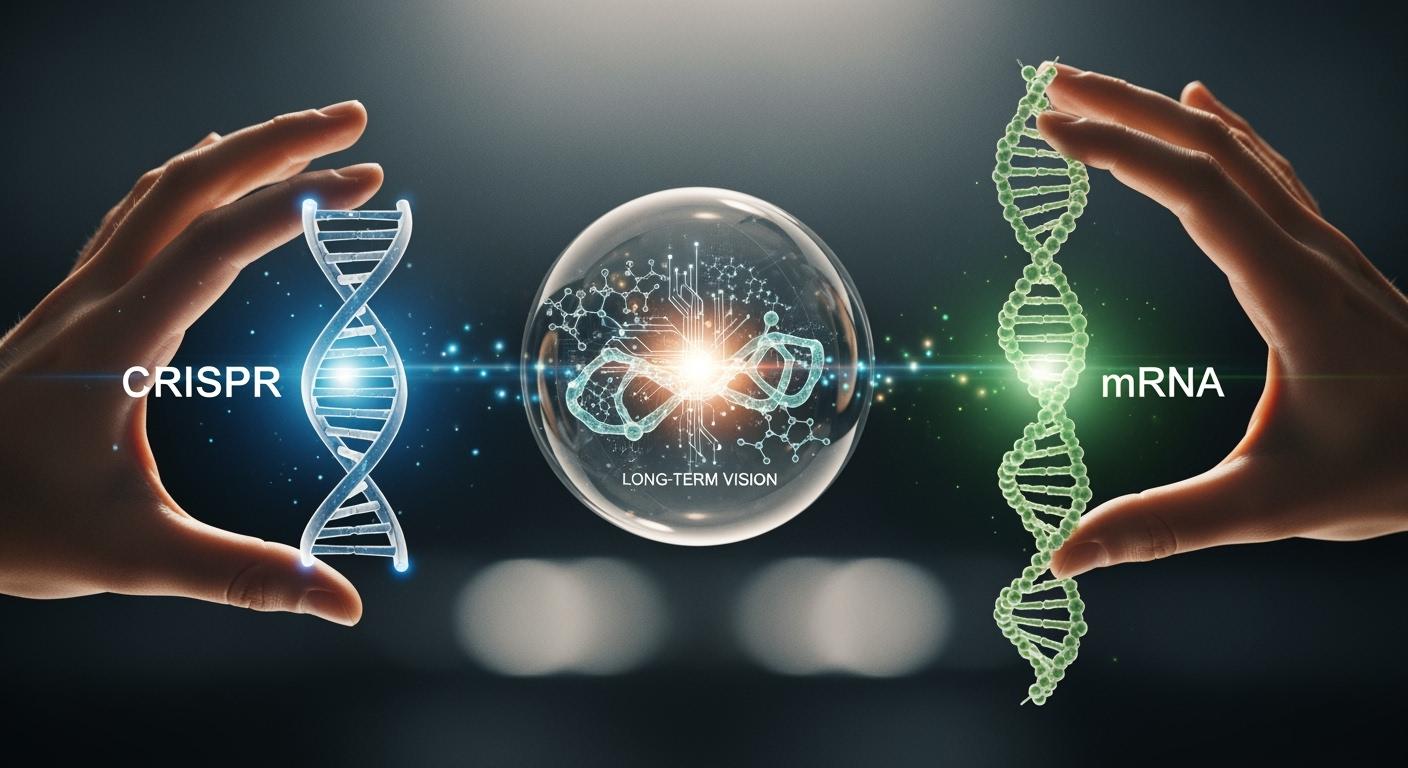
When you consider long-term vision in gene and molecular therapies, the debate of crispr vs. mrna often takes center stage. CRISPR stands out for its ability to make permanent changes in your DNA, which could mean lifelong benefits. This technology captures the imagination of scientists and investors alike. mRNA offers a different kind of power—rapid adaptability and quick response to emerging diseases. The significance of these advances becomes clear when you look at the projected impact on global healthcare:
The gene therapy market could grow from $11.07 billion in 2025 to $55.43 billion by 2034, driven by crispr and other technologies.
Personalized medicine and innovation shape this growth.
High costs and regulatory challenges remain.
You need to weigh the strengths and challenges of each technology. Think not only about what they do today, but how they will adapt, stay safe, and drive future innovation.
Table of Contents
Key Takeaways
CRISPR technology allows for permanent changes in DNA, offering potential cures for genetic diseases.
mRNA technology provides rapid adaptability, making it ideal for quick responses to emerging diseases.
Both CRISPR and mRNA technologies are crucial in advancing personalized medicine and gene therapies.
CRISPR can lead to lasting effects, while mRNA offers temporary solutions that can be adjusted as needed.
Understanding the strengths and weaknesses of each technology helps in choosing the right approach for treatment.
Combining CRISPR and mRNA can enhance therapy effectiveness and safety by leveraging the strengths of both.
Regulatory challenges and ethical considerations are important factors in the development of gene therapies.
The gene therapy market is expected to grow significantly, driven by innovations in CRISPR and mRNA technologies.
Technology Overview

You stand at the crossroads of two transformative approaches in molecular medicine: crispr/cas9 technology and mRNA technology. Each offers a distinct pathway to innovation, shaping the future of genome therapies and personalized healthcare. Understanding their mechanisms helps you appreciate their strengths and limitations.
CRISPR/Cas9 Technology
Gene Editing Mechanism
The crispr/cas9 system gives you the power to edit the genome at the DNA level. When you use crispr/cas9 technology, you introduce a guide RNA and the cas9 protein into cells. The guide RNA directs cas9 to a specific location in the genome. Cas9 then creates a double-strand break in the DNA. Your cells respond by activating repair processes, which can lead to precise modifications or genetic insertions and deletions. This approach allows you to target genetic diseases at their source, offering the possibility of permanent change.
Tip: The crispr/cas9 system can use RNP complexes for efficient delivery, quickly localizing to the nucleus and initiating DNA cleavage.
DNA Stability and Longevity
With crispr/cas9 technology, you achieve lasting effects. The changes you make to the genome remain stable through cell divisions. This stability means you can address inherited disorders and potentially cure them. However, you must consider the risk of off-target effects. Prolonged presence of crispr/cas9 components increases this risk, so you need to balance efficiency with safety.
Feature | CRISpr/Cas9 | mRNA Technology |
|---|---|---|
Requires pDNA to enter the nucleus | Delivered to the cytoplasm for direct translation | |
Expression Duration | Can lead to sustained expression | Exhibits transient expression |
Efficiency | RNP complexes can initiate DNA cleavage quickly | Rapid translation of Cas9 mRNA into protein |
Off-target Effects | Prolonged presence increases risk | Minimizes risk due to transient activity |
mRNA Technology
Mechanism of Action
mRNA technology takes a different approach. You deliver mRNA directly to the cytoplasm, where your cells translate it into proteins. This method does not alter the genome. Instead, you modulate gene expression at the RNA level. You can use systems like Cas13 for transient modifications, reprogramming transcripts to adjust protein function without permanent changes to DNA.
mRNA technology offers rapid adaptability.
You minimize off-target effects because the activity is transient.
Cas13 and Cas7-11 systems enable reversible RNA editing.
Transient Effects and Flexibility
You benefit from the flexibility of mRNA technology. The effects last only as long as the mRNA persists in your cells. This transient nature reduces long-term risks and allows you to respond quickly to new diseases or therapeutic needs. You can design mRNA therapies for vaccines, protein replacement, or temporary gene modulation. The ability to adapt quickly makes mRNA technology a valuable tool in your arsenal.
Note: While crispr/cas9 technology provides permanent solutions, mRNA technology excels in situations where you need rapid response and minimal risk.
You see that crispr/cas9 technology and mRNA technology each play a vital role in advancing genome medicine. The crispr/cas9 system offers you the promise of lasting change, while mRNA technology gives you the agility to address emerging challenges.
Current Applications
CRISPR in Medicine
Ocular Disease Treatments
You see remarkable progress in gene therapy for eye diseases, especially when you look at how crispr technology targets the retina. Scientists use crispr to correct genetic mutations that cause inherited blindness. In the field of retinal gene therapy, you find that researchers focus on diseases like Leber congenital amaurosis and retinitis pigmentosa. These conditions affect the retina and can lead to vision loss. By editing faulty genes in the retina, you can restore function and slow degeneration. The precision of crispr allows you to target the retina without affecting other tissues. This approach gives hope to patients who have limited options. You notice that the retina responds well to crispr-based therapy because of its accessibility and immune privilege. As you follow the latest studies, you see that retinal gene therapy continues to advance, offering new possibilities for those with inherited retinal disorders.
Genetic Disease Therapy
You witness crispr transforming the landscape of therapy for genetic diseases. In recent clinical trials, you find that crispr therapy safely reduces cholesterol levels, which points to a future where you can treat lipid disorders without lifelong medication. For example, a first-in-human trial used crispr-cas9 to target the ANGPTL3 gene, resulting in lower LDL cholesterol and triglycerides. This breakthrough shows you how crispr can address conditions at their genetic root. The simplicity and accuracy of crispr make it a powerful tool for therapy, but you must also consider challenges like off-target effects and delivery methods. As you explore the field, you see that crispr therapy extends beyond the retina to blood disorders, muscular dystrophy, and even some cancers. Each advance brings you closer to a world where you can correct disease-causing mutations with lasting results.
mRNA in Medicine
Vaccines
You have witnessed the rapid rise of mRNA technology in vaccine development. The COVID-19 pandemic showed you how quickly scientists can design and produce mRNA vaccines. This approach allows you to instruct your cells to make viral proteins, which then trigger an immune response. The flexibility of mRNA means you can adapt vaccines for new variants or emerging diseases with speed. You see that mRNA vaccines have set a new standard for safety and efficacy. The transient nature of mRNA ensures that the therapy does not alter your DNA, which reduces long-term risks. As you look ahead, you find that researchers are developing mRNA vaccines for influenza, Zika, and even cancer.
Therapeutic Development
You notice that mRNA therapy extends far beyond vaccines. In ongoing clinical trials, you see mRNA therapies targeting a wide range of diseases, including cancer and rare genetic disorders. The table below highlights some of the most common targets for mRNA-based therapy:
Disease | Status | Phase | Sponsor |
|---|---|---|---|
Malignant tumors | Recruiting | Phase 1 | West China Hospital |
Liver cancer (hepatocellular carcinoma) | Recruiting | Phase 1 | West China Hospital |
Neoplasms (including non-small cell lung cancer, pancreatic neoplasms, colorectal neoplasms) | Completed | Phase 1 | Merck Sharp & Dohme LLC |
Malignant melanoma | Completed | Phase 1/2 | Oslo University Hospital |
Prostate cancer | Completed | Phase 1/2 | Oslo University Hospital |
Relapsed/refractory solid tumor malignancies | Active, not recruiting | Phase 1 | ModernaTX, Inc. |
You see that mRNA therapy offers you the ability to address complex diseases with precision and speed. In the context of retinal gene therapy, mRNA can deliver proteins that support the health of the retina or modulate immune responses. The adaptability of mRNA therapy means you can respond to new challenges in medicine as they arise. As you follow these developments, you recognize the strategic growth and innovation that mRNA brings to the field of therapy, especially for diseases that affect the retina.
Long-Term Vision
CRISPR/Cas9 Potential
Permanent Gene Modification
You stand at the threshold of a new era in medicine, where crispr/cas9 genome editing offers you the possibility of permanent solutions for genetic diseases. When you use crispr/cas9, you can directly modify the genome, targeting the root cause of inherited disorders. This technology allows you to correct mutations, remove faulty genes, or even introduce new genetic material through gene replacement therapy. The changes you make with crispr/cas9 remain stable as cells divide, which means you can achieve long-lasting results. You see this promise most clearly in therapy for conditions like sickle cell disease, cystic fibrosis, and certain forms of blindness. By using cas9 to edit the genome, you can move beyond symptom management and aim for true cures. The efficacy of crispr/cas9 genome editing continues to improve as researchers refine delivery methods and minimize unwanted effects. You find that gene replacement therapy, when combined with crispr/cas9, opens new doors for treating diseases that once seemed untouchable.
Off-Target Risks
You must also consider the risks that come with crispr/cas9 genome editing. While the technology gives you precision, off-target effects remain a challenge. Sometimes, cas9 may cut DNA at unintended sites in the genome, which could lead to unwanted mutations or disrupt healthy genes. You need to weigh the efficacy of the therapy against these risks, especially when you pursue permanent gene replacement therapy. Researchers work to improve the specificity of cas9 and develop safer delivery systems, but you must stay vigilant. The long-term vision for crispr/cas9 depends on your ability to balance the promise of permanent cures with the responsibility to ensure safety. As you look ahead, you see that ongoing innovation in crispr/cas9 genome editing will shape the future of therapy, making it safer and more effective for generations to come.
mRNA Future
Rapid Response Capabilities
You witness the remarkable flexibility of mRNA technology in the face of emerging health threats. Unlike crispr/cas9, mRNA therapy does not alter the genome. Instead, you use it to instruct cells to produce therapeutic proteins or trigger immune responses. This approach gives you the ability to respond quickly to new diseases. For example, during the COVID-19 pandemic, scientists designed mRNA vaccines in record time. You see that the efficacy of mRNA therapy lies in its speed and adaptability. When a new pathogen appears, you can rapidly create a genetic blueprint for a vaccine or therapy, ensuring a swift response.
Adaptability to New Diseases
You find that mRNA technology excels in adaptability, making it a powerful tool for future therapeutic innovation. Recent case studies highlight several key strengths:
mRNA vaccines can be quickly designed to target new pathogens, thanks to their genetic blueprint.
The technology enables rapid responses to emerging variants, keeping vaccination efforts effective.
Scalable production allows you to synthesize large volumes of vaccines once you establish initial processes.
Regional production facilities support global vaccination efforts and improve readiness for future health challenges.
You realize that mRNA therapy offers you a dynamic approach to gene replacement therapy and disease prevention. While the effects are not permanent like crispr/cas9 genome editing, the ability to adapt quickly ensures you stay ahead of evolving threats. In the ongoing debate of crispr vs. mrna, you see that both technologies play vital roles. You must consider not only the efficacy of each therapy but also how they can work together to shape the future of medicine.
CRISPR vs. mRNA: Head-to-Head
Scalability
You face a complex landscape when you consider the scalability of crispr/cas9 and mRNA technology for large-scale therapeutic deployment. The journey from laboratory innovation to widespread clinical use involves many hurdles. Manufacturing complexities challenge both platforms. For mRNA, you must maintain sequence fidelity, high purity, and precise capping and tailing during RNA synthesis. For crispr/cas9, you need to ensure the integrity of genome editing components and optimize delivery systems.
Delivery remains a critical factor. You rely on lipid nanoparticles (LNPs) for mRNA therapies, which require reproducible encapsulation efficiency and stability. For crispr/cas9, viral vectors often serve as delivery vehicles, but they face limitations in packaging and purification. Regulatory hurdles add another layer, as you must follow rigorous purification protocols to avoid immune activation from impurities.
The COVID-19 pandemic exposed constraints in global manufacturing capacity, especially for mRNA vaccines. You saw the need for diversified production and robust supply chains. Continuous manufacturing and process analytical technologies (PAT) help you address these challenges, but you must remain vigilant.
Here is a summary of the main scalability challenges:
Challenge Type | Description |
|---|---|
Manufacturing Complexities | RNA synthesis must maintain sequence fidelity, high purity, and controlled capping and tailing. |
Delivery Challenges | Requires reproducible encapsulation efficiency and stability of lipid nanoparticles (LNPs). |
Regulatory Hurdles | Need for rigorous purification protocols to avoid immune activation from impurities. |
Global Manufacturing Capacity | Exposed constraints during COVID-19 vaccine rollout, highlighting the need for diversified production. |
Process Adaptability | LNP production has scaled well, but viral vector manufacturing faces limitations in packaging and purification. |
You see industry leaders addressing these issues. At the ASGCT Annual Meeting, a novel scalable platform for crispr/cas9 therapies emerged, targeting inborn errors of immunity. This marks a significant step forward for crispr/cas9 therapy. Collaborations between companies and research institutes, such as Danaher Corporation and the Innovative Genomics Institute, focus on automation and quality control to create scalable solutions for crispr/cas9 therapy. For mRNA, synthesis kits dominate the market, accounting for a large share of revenue due to high demand for customizable constructs.
You recognize that both crispr/cas9 and mRNA technology require continuous innovation to achieve true scalability. Supply chain robustness and process adaptability remain essential for future growth.
Versatility
You discover remarkable versatility in both crispr/cas9 and mRNA technology. The crispr/cas9 system allows you to edit the genome with high precision. Base editing lets you convert DNA bases, which helps you correct genetic diseases. Prime editing enables you to insert, delete, or substitute DNA sequences, expanding your ability to address a wide range of mutations.
You see therapies like VERVE-101, a base-editing therapy for familial hypercholesterolemia, advancing through clinical trials. Companies develop crispr/cas9 therapies for cardiovascular diseases, type 1 diabetes, and CAR-T therapies for cancer. The genome editing capabilities of crispr/cas9 technology open doors to treating inherited disorders, blood diseases, and even some forms of blindness.
mRNA technology offers you a different kind of versatility. You use mRNA to instruct cells to produce therapeutic proteins, trigger immune responses, or modulate gene expression. The transient nature of mRNA therapy allows you to respond quickly to new diseases. You design mRNA vaccines for emerging pathogens, adapt therapies for cancer, and develop protein replacement treatments.
Base editing enables precise conversion of DNA bases for genetic disease correction.
Prime editing allows insertion, deletion, or substitution of DNA sequences with high precision.
VERVE-101 targets familial hypercholesterolemia in phase 1 trials.
CRISPR Therapeutics develops therapies for cardiovascular diseases, type 1 diabetes, and CAR-T therapies for cancer.
You realize that crispr/cas9 and mRNA technology each bring unique strengths to therapy. The genome editing power of crispr/cas9 offers lasting solutions, while mRNA technology provides rapid adaptability and broad application.
Safety and Ethics
You must consider safety and ethics as you evaluate crispr/cas9 and mRNA technology. The promise of permanent genome modification with crispr/cas9 therapy brings both hope and responsibility. Off-target effects remain a concern. Cas9 may cut DNA at unintended sites, which could lead to unwanted mutations or disrupt healthy genes. You need to balance efficacy with safety, especially when you pursue genome editing for therapy.
Ethical concerns extend beyond safety. Human enhancement technologies risk worsening social inequality. If only those who can afford enhancements gain access, society may face new forms of stratification. Germline editing raises questions about long-lasting societal consequences and the potential for genetic discrimination.
Here is a summary of key ethical concerns:
Ethical Concern | Description |
|---|---|
Dual-use research | Potential misuse of crispr/cas9 for developing biological weapons or increasing pathogenic virulence. |
Ecological consequences | Risks of unintended ecological impacts due to genome editing. |
Equity of access | Concerns regarding the availability of crispr/cas9-based treatments to all socioeconomic groups. |
Genetic discrimination | Risks of misuse of gene editing data leading to discrimination based on genetic information. |
Need for regulatory frameworks | Importance of strict oversight and international regulations to prevent bioterrorism and ensure safety. |
You also face risks of limiting evolutionary adaptability and reducing genetic diversity. Regulatory frameworks must evolve to keep pace with technology. You need strict oversight and international cooperation to ensure safety and ethical use.
mRNA technology presents fewer ethical challenges, as it does not alter the genome. The transient nature of mRNA therapy reduces long-term risks. However, you must still ensure safety in manufacturing and delivery, avoiding immune activation and unintended effects.
You see that the debate of crispr vs. mrna centers on balancing innovation with safety and ethics. You must weigh the benefits of permanent genome modification against the risks and responsibilities. As you move forward, you play a vital role in shaping the future of therapy, ensuring that technology serves society with integrity and care.
Innovation Potential
You stand at the forefront of a revolution in gene therapy, where CRISPR and mRNA technologies drive innovation at a pace that once seemed impossible. These platforms do not just change how you treat disease—they redefine what is possible in medicine. You see scientists harnessing CRISPR’s precision and mRNA’s adaptability to create therapies that target the root causes of illness, offering hope for conditions that previously had no cure.
You can explore the landscape of recent breakthroughs by looking at the innovations that have emerged from both technologies. The table below highlights some of the most significant advances:
Innovation Type | Description |
|---|---|
CRISPR-Cas9 Technology | A transformative tool enabling precise genome editing with high efficiency and simplicity. |
Base Editing and Prime Editing | Technologies allowing single-nucleotide substitutions and complex DNA modifications without breaks. |
High-Fidelity Cas9 Variants | Variants like eSpCas9 reduce off-target activity, enhancing safety in clinical applications. |
Delivery Strategies | Innovations in viral vectors and lipid nanoparticles improve therapeutic applications of CRISPR. |
Clinical Applications | Progress in treating genetic disorders like sickle cell disease and hereditary blindness. |
CRISPR-based Immunotherapies | Exploration of CRISPR for targeted cancer and viral infection treatments. |
Computational Tools | Use of machine learning for optimizing guide RNA design and predicting off-target effects. |
You notice that CRISPR’s innovation potential lies in its ability to rewrite the genetic code with accuracy. Base editing and prime editing let you correct single letters in DNA or make complex changes without causing breaks. High-fidelity Cas9 variants, such as eSpCas9, help you minimize unwanted effects, making therapies safer for patients. You see new delivery strategies, including viral vectors and lipid nanoparticles, that improve how you bring these tools into cells. Machine learning now guides you in designing better therapies, predicting where edits will work best and where risks might arise.
mRNA technology brings a different kind of innovation. You watch researchers develop therapies that can be designed and produced in months, not years. The world’s first personalized CRISPR therapy, created for an infant with a life-threatening metabolic disorder, shows you how quickly science can move. This therapy used a new guide RNA and an mRNA-encoded base editor, demonstrating the power of combining both platforms. Results published in The New England Journal of Medicine prove that personalized gene editing is not just a dream—it is a reality.
You see the world’s first personalized CRISPR therapy developed for an infant with a metabolic disorder.
Scientists created this therapy in six months, much faster than traditional approaches.
The therapy used a new guide RNA and an mRNA-encoded base editor, showing the synergy between CRISPR and mRNA.
Clinical results validate the approach, opening doors for other genetic diseases.
This milestone suggests a roadmap for personalized medicine, where you can tailor treatments to each patient’s unique genetic makeup.
You realize that innovation does not stop at the laboratory bench. These advances shape how you think about equity, access, and strategic growth in healthcare. As therapies become more personalized, you must consider how to deliver them to patients everywhere, not just those in advanced research centers. You see the need for robust market intelligence and adaptable business models that can keep pace with scientific progress.
You hold the key to the future of medicine in your hands. CRISPR and mRNA technologies give you tools to solve problems that once seemed insurmountable. You can imagine a world where genetic diseases are not just managed but cured, where therapies adapt to new threats, and where innovation drives meaningful change for patients and society.
Clinical Impact
CRISPR Successes and Challenges
Ocular and Genetic Disorders
You see the impact of crispr/cas9 technology most clearly in the field of ocular and genetic disorders. Researchers have launched multiple clinical trials using crispr to address inherited eye diseases and other genetic conditions. These trials focus on conditions that once had no effective treatments. The precision of cas9 allows you to target the root cause of disease, offering hope for lasting solutions. The table below highlights the current status of key clinical trials using crispr/cas9 for ocular disorders:
Ocular Condition | Status of Clinical Trials |
|---|---|
Primary open angle glaucoma with MYOC mutations | Active |
Refractory herpetic viral keratitis | Active |
CEP290-associated inherited retinal degenerations | Active |
Neovascular age-related macular degeneration | Active |
Retinitis pigmentosa with RHO mutations | Active |
You notice that each of these trials uses crispr/cas9 to edit faulty genes in the eye. The approach aims to restore vision or slow disease progression. The versatility of crispr and the accuracy of cas9 make these therapies possible. As you follow these developments, you see the promise of crispr/cas9 in transforming genetic medicine.
Off-Target Effects
You must also recognize the challenges that come with crispr/cas9 therapies. Off-target effects remain a significant concern. When you use cas9, there is a risk that it may cut DNA at unintended sites. This can lead to unwanted mutations or disrupt healthy genes. The clinical application of crispr/cas9 faces additional hurdles. Regulatory agencies like the FDA have frameworks that do not always fit crispr therapies. You also face supply issues, as few companies provide the GMP-grade reagents needed for clinical use. The table below summarizes these challenges:
Challenge | Description |
|---|---|
The FDA’s framework is not suited for crispr therapies, raising questions about sequence confirmation and therapy durability. | |
Obtaining GMP reagents | The need for GMP-grade reagents is critical, but few suppliers exist, causing supply issues. |
You see that the future of crispr/cas9 depends on overcoming these barriers. Researchers continue to refine cas9 to improve specificity and safety. You play a role in advancing these therapies by supporting innovation and advocating for clear regulatory pathways.
mRNA Achievements
Vaccine Rollout
You have witnessed the remarkable achievements of mRNA technology in recent years. The swift development of COVID-19 vaccines stands as a testament to the power of this approach. Scientists like Katalin Karikó and Drew Weissman received the 2021 Lasker~DeBakey Clinical Medical Research Award for their work on modified mRNA, which enabled the rapid creation of effective vaccines. You see mRNA technology expanding beyond COVID-19. Approximately 70% of active mRNA vaccine trials now target diseases other than COVID-19. About 31% focus on cancer, while 69% address infectious, genetic, and immune diseases. Recent clinical trials have also shown the promise of mRNA in treating pancreatic cancer, opening new possibilities for therapy.
The mRNA Technology Transfer Programme supports sustainable regional production of mRNA-based health products.
This program prepares you for future pandemics and ensures access during global health emergencies.
It also drives the development of mRNA vaccines and therapeutics for diseases affecting low- and middle-income countries.
You see that mRNA technology brings adaptability and speed to the world of medicine. The ability to quickly design and produce new vaccines or therapies gives you a powerful tool for public health.
Limitations
You must also consider the limitations of mRNA therapies. Stability during storage remains a challenge. Some mRNA components show suboptimal immunogenicity, which can affect effectiveness. You may find that the lack of appropriate animal models makes testing difficult. The success of mRNA therapies often depends on the dosage regimen, mode of administration, and vaccine formulation. These factors influence how well the therapy works and how easily you can deliver it to patients.
Note: As you evaluate both crispr/cas9 and mRNA technologies, you see that each brings unique strengths and faces distinct challenges. Your understanding of these clinical impacts shapes the future of gene and molecular therapies.
Regulatory and Societal Factors
Approval Pathways
You navigate a complex regulatory landscape when you bring CRISPR and mRNA therapies to patients. In the United States, the Food and Drug Administration (FDA) has taken steps to guide the development of new genetic medicines. The FDA provides specific guidance for Antisense Oligonucleotides (ASOs), which helps you develop individualized RNA treatments. This guidance gives you a clearer path for bringing innovative therapies to market. The Center for Biologics Evaluation and Research (CBER) reviews mRNA COVID-19 vaccines, treating them as biologics and vaccines, not as gene therapies. This distinction shapes how you design clinical trials and prepare regulatory submissions.
In Europe, you see a different approach. The European Medicines Agency (EMA) has not issued specific guidelines for N-of-1 treatments, which means you face uncertainty if you want to develop highly personalized RNA therapies. The EMA classifies mRNA therapeutics as gene therapies, while RNA vaccines are regulated as vaccines. These differences can affect how quickly you move from research to patient care. You must stay informed and adaptable as the regulatory environment continues to evolve.
Tip: You benefit from understanding both U.S. and European frameworks. This knowledge helps you anticipate challenges and seize opportunities for innovation.
The FDA offers guidance for individualized RNA treatments, especially ASOs.
The EMA lacks tailored advice for N-of-1 therapies.
The regulatory landscape for mRNA therapies is still evolving, with ongoing debates about their classification.
In the U.S., mRNA vaccines are reviewed as biologics, not gene therapies.
In Europe, mRNA therapeutics are classified as gene therapies, while RNA vaccines are regulated as vaccines.
Public Perception
You recognize that public perception plays a crucial role in the adoption of CRISPR and mRNA technologies. People’s trust in these therapies can influence policy, investment, and even the pace of innovation. Recent surveys show that opinions about mRNA vaccines vary widely across different groups. You see that political affiliation shapes how people view the safety of these new treatments.
Group | Percentage of People Who Think mRNA Vaccines Are ‘Generally Unsafe’ |
|---|---|
Republicans | 23% |
Independents | 18% |
Democrats | 3% |
You notice that a higher percentage of Republicans and Independents express concerns about the safety of mRNA vaccines compared to Democrats. This divide highlights the importance of clear communication and public education. You can help bridge gaps in understanding by sharing transparent information about how these therapies work and their benefits.
You also see that CRISPR technology sparks curiosity and debate. Some people feel excited about the potential to cure genetic diseases, while others worry about ethical risks and unintended consequences. You play a role in shaping public trust by engaging in open dialogue and supporting responsible innovation.
Note: You build lasting impact when you combine scientific progress with thoughtful engagement. By listening to concerns and sharing knowledge, you help society embrace the promise of CRISPR and mRNA technologies.
Investment and Market Trends
Funding Landscape
You see the investment climate for crispr/cas9 and mRNA technologies evolving rapidly. The biotech sector experienced a $2.4 billion increase in funding during Q1 2024, which signals renewed confidence in innovation. You notice startups forming corporate partnerships to foster creativity and share risks. This approach helps you navigate the uncertainties of developing crispr/cas9 therapies and mRNA solutions. Fewer biotech firms went public, dropping from 114 in 2021 to only 30 in 2023. You recognize that investors now seek proven platforms and sustainable growth, especially in crispr/cas9 and crispr research.
You observe robust growth in the U.S. market, driven by increased investment in gene-editing research and development. Favorable regulatory support encourages you to pursue new therapies. The demand for treatments targeting genetic disorders continues to rise, validated by landmark approvals such as Casgevy for sickle cell disease. You understand that crispr/cas9 and crispr technologies attract attention because they promise lasting impact and adaptability.
The biotech sector saw a $2.4 billion funding increase in Q1 2024.
Startups form partnerships to innovate and manage risk.
Fewer biotech IPOs reflect a focus on sustainable growth.
U.S. investment in gene-editing research remains strong.
Regulatory support and rising demand for genetic therapies drive market momentum.
You realize that crispr/cas9 and crispr research benefit from strategic funding, which supports both clinical trials and technology development. You see investors prioritizing platforms that offer scalability and versatility.
Market Outlook
You look ahead and see a promising future for crispr/cas9 and crispr therapies. The crispr-based gene editing market is projected to grow from $7.06 billion in 2025 to $24.37 billion by 2034, with a compound annual growth rate of 14.76%. You understand that this expansion comes from the rising incidence of genetic disorders and ongoing advancements in crispr/cas9 technology. You see a growing focus on personalized and regenerative medicine, which positions crispr/cas9 and crispr as mainstream therapeutic platforms.
By 2034, you expect crispr/cas9 to become central in treating genetic diseases and cancers. You also anticipate crispr/cas9 expanding into non-therapeutic markets, including industrial biotechnology and agriculture. You recognize that innovation in crispr/cas9 and crispr will shape new business models and drive strategic growth.
Year | Market Size (USD Billion) | Key Drivers |
|---|---|---|
2025 | 7.06 | Genetic disorder incidence, technology advances |
2034 | 24.37 | Personalized medicine, regenerative therapies |
You see that crispr/cas9 and crispr technologies offer you opportunities for market intelligence and equity analysis. You understand that adaptability and strategic investment will determine which platforms lead the next wave of innovation. You recognize the importance of staying informed and agile as the market evolves.
Tip: You can track market trends and funding shifts to identify emerging opportunities in crispr/cas9 and crispr research.
Which Holds the Edge?
Strengths and Weaknesses
When you compare crispr/cas9 and mRNA technology, you find that each brings unique strengths to the table. You see that crispr/cas9 stands out for its ability to make permanent changes at the DNA level. This technology gives you the power to address the root cause of many genetic diseases. You can correct mutations, remove faulty genes, or introduce new genetic material. The changes you make with crispr/cas9 last as cells divide, which means you can achieve long-term results with a single therapy.
You also notice that crispr/cas9 therapy continues to evolve. Researchers have developed high-fidelity variants and advanced delivery systems to improve precision and reduce off-target effects. You see that the technology now allows for faster production and is less expensive than traditional protein drugs. The short half-life of crispr-cas9 mRNA reduces the risk of off-target effects, and you avoid the risk of host genome integration. These features make crispr/cas9 a powerful tool for therapy.
CRISPR-Cas9 mRNA eliminates the risk of host genome integration.
The short half-life reduces off-target effects.
The technology allows for faster production and lower costs compared to traditional protein drugs.
However, you must also consider the challenges. Off-target effects remain a concern, especially when you use crispr/cas9 for permanent gene editing. Regulatory hurdles and the need for GMP-grade reagents can slow clinical progress. You also face ethical questions about germline editing and equitable access to therapy.
On the other hand, mRNA technology offers you remarkable flexibility. You can design and produce new therapies quickly, which is essential when you face emerging diseases. mRNA therapy does not alter the genome, so you minimize long-term risks. The transient nature of mRNA means you can adjust or stop therapy as needed. This adaptability makes mRNA technology ideal for vaccines, protein replacement, and temporary gene modulation.
Yet, mRNA therapy has its own limitations. You may encounter challenges with stability during storage and delivery. Some mRNA therapies show suboptimal immunogenicity, and the effectiveness can depend on the dosage and formulation. You also need to consider the scalability of manufacturing and the regulatory landscape, which continues to evolve.
You can summarize the strengths and weaknesses of each approach in the table below:
Technology | Strengths | Weaknesses |
|---|---|---|
crispr/cas9 | Permanent gene editing, high precision, evolving delivery systems, lower cost, short mRNA half-life | Off-target effects, regulatory hurdles, ethical concerns, GMP reagent supply |
mRNA technology | Rapid adaptability, transient effects, minimal long-term risk, flexible design | Stability issues, immunogenicity, dosage/formulation challenges, evolving regulations |
You see that the crispr vs. mrna debate does not have a simple answer. Each technology excels in different areas. Your choice depends on the disease, the desired outcome, and the balance between long-term impact and adaptability.
Integration or Competition?
You may wonder if crispr/cas9 and mRNA technology must compete, or if they can work together. In practice, you find that integration often leads to the most innovative solutions. You see researchers combining crispr/cas9 with mRNA delivery to create therapies that harness the strengths of both platforms. For example, you can use mRNA to encode crispr/cas9 components, allowing for transient expression and reducing the risk of off-target effects. This approach gives you precise genome editing with improved safety.
You also notice that mRNA technology supports rapid prototyping and testing of crispr/cas9 therapies. You can quickly design and produce mRNA constructs to evaluate new targets or delivery methods. This synergy accelerates the pace of innovation and helps you respond to new challenges in medicine.
Tip: When you integrate crispr/cas9 and mRNA technology, you unlock new possibilities for therapy. You can tailor treatments to individual patients, address rare diseases, and adapt to emerging health threats.
You see that the future of gene and molecular therapy will likely involve both competition and collaboration. Companies and research institutes continue to push the boundaries of each technology, seeking to improve efficacy, safety, and scalability. At the same time, you recognize that combining crispr/cas9 and mRNA technology can create therapies that neither platform could achieve alone.
You play a key role in shaping this future. By staying informed and open to new ideas, you help drive progress in therapy development. You support innovation, equity, and strategic growth in the field. As you look ahead, you see that the most successful approaches will blend the strengths of crispr/cas9 and mRNA technology, creating a new era of personalized and adaptable medicine.
You see crispr/cas9 offering a better long-term vision for gene and molecular therapies, thanks to its ability to create permanent genetic changes. You notice crispr/cas9 transforming treatment strategies, especially for rare genetic disorders and oncology. You find mRNA technology excels in rapid adaptability, but crispr/cas9 stands out for lasting impact. You can act on these insights:
Regulatory-first product design helps you ensure compliance.
Channel diversification and local expertise support strategic growth.
Personalized crispr/cas9 therapies drive innovation.
Key Area | Description |
|---|---|
LNP Technology | Biodegradable ionizable lipids improve mRNA delivery and safety. |
Delivery Systems | Optimal formulation ratios enhance crispr/cas9 and RNA-based therapeutics. |
Personalized Therapies | Ongoing development of crispr/cas9 therapies tailored to individual needs. |
You shape the future by watching advances in crispr/cas9, delivery systems, and personalized medicine. You play a vital role in driving innovation and equity in healthcare.
FAQ
What makes crispr/cas9 different from other gene editing tools?
You use crispr/cas9 because it offers precise, targeted changes to DNA. This system stands out for its simplicity and efficiency. You can edit genes at specific locations, which helps you address genetic diseases at their source.
Can crispr/cas9 cure inherited diseases permanently?
You can achieve permanent changes with crispr/cas9. When you edit a gene using this technology, the correction remains as cells divide. This gives you the potential to cure inherited diseases, not just manage symptoms.
How safe is crispr/cas9 for clinical use?
You must consider safety when using crispr/cas9. Off-target effects can occur if the system edits unintended DNA sites. Researchers continue to improve accuracy. You should always weigh the benefits against possible risks before clinical application.
How does crispr/cas9 compare to mRNA technology in adaptability?
You find that crispr/cas9 creates lasting genetic changes, while mRNA technology offers rapid, temporary solutions. You choose crispr/cas9 for permanent fixes. You turn to mRNA when you need quick responses to new health threats.
What are the main challenges in bringing crispr/cas9 therapies to market?
You face regulatory hurdles, supply chain issues, and the need for GMP-grade materials. You must also address ethical concerns and ensure equitable access. These challenges require careful planning and collaboration across the industry.
Can you combine crispr/cas9 with other technologies for better results?
You can combine crispr/cas9 with mRNA delivery systems. This approach lets you control how long the editing machinery stays active. You gain more precision and reduce unwanted effects, which improves safety and effectiveness.
How does crispr/cas9 support innovation in personalized medicine?
You use crispr/cas9 to tailor treatments to each patient’s genetic profile. This technology allows you to design therapies that match individual needs. You help drive the shift toward personalized, effective healthcare solutions.
What role does crispr/cas9 play in market growth and strategic development?
You see crispr/cas9 driving growth in gene therapy markets. You use it to develop new treatments, expand business opportunities, and support strategic partnerships. This technology shapes the future of healthcare innovation and market intelligence.
How Objective Research Brings Markets Into Focus
Objective equity research helps markets make sense of themselves by relying on disciplined data gathering, contextual analysis, and transparent methods rather than narrative shortcuts. By clearly documenting assumptions and applying consistent analytical frameworks, such research clarifies how companies, sectors, and broader forces interact, while acknowledging uncertainty where evidence is incomplete. Methodological rigor is essential, as small analytical choices can materially shape conclusions, and transparency allows readers to assess credibility for themselves. In this context, VASRO represents a measured, analytical voice in equity analysis and market intelligence, reflecting values of curiosity and precision without overstating implications. At its best, objective research does not simplify markets, but illuminates their structure and dynamics with clarity and balance. This article is for general information only and does not constitute financial, investment, legal, or tax advice; readers should consult a licensed professional for advice tailored to their situation.
Disclaimer: The information on www.vasro.de is for general informational purposes only and does not constitute investment advice or a recommendation. VASRO GmbH does not provide personalized investment advice; visitors should seek independent financial guidance before making decisions. Some content may rely on third-party sources considered reliable, but VASRO GmbH does not guarantee accuracy, completeness, or timeliness. All information is provided “as is,” may change without notice, and VASRO GmbH has no obligation to update, correct, or continue publishing it. VASRO GmbH accepts no liability for losses arising from reliance on this information. Past performance is not a reliable indicator of future results.