


Asia-Pacific markets often present distinctive challenges for investors and managers, as small-cap liquidity shapes trading profiles through unpredictable price swings, wide bid-ask spreads, and operational hurdles such as the transition to T+1 settlement cycles. Investors who explore these markets may discover overlooked opportunities, but they must recognize that deep capital markets and robust infrastructure remain essential for reliable execution. Strategic adaptation and a keen understanding of evolving regulations empower market participants to navigate complexity with greater confidence.
Table of Contents
Key Takeaways
Small-cap liquidity in Asia-Pacific markets can lead to unpredictable price swings and wide bid-ask spreads. Investors should be prepared for these challenges.
Understanding local market structures and regulations is crucial for navigating small-cap trading effectively. Each market has unique features that impact liquidity.
Investors can uncover hidden opportunities in small-cap stocks by analyzing ownership structures and sector allocations. Family-owned businesses often provide stability.
The transition to T+1 settlement cycles increases operational demands. Investors must adapt their strategies to manage liquidity and execution risks.
Effective portfolio construction requires careful position sizing and diversification. Investors should align their allocations with the liquidity profiles of small-cap stocks.
Monitoring bid-ask spreads and slippage is essential for managing trading costs. Investors should track historical data to set realistic expectations.
Due diligence is vital for identifying resilient small-cap companies. Investors should assess management quality and business models to mitigate risks.
Building strong relationships with local brokers enhances market intelligence and trade execution. Local expertise can help investors navigate regulatory nuances.
Asia-Pacific Small-Cap Liquidity
Defining Small-Cap Liquidity
Small-cap liquidity in Asia-Pacific markets refers to the ease with which investors can buy or sell shares of smaller companies without causing significant price changes. Investors often encounter unique challenges when trading these stocks, especially during periods of economic uncertainty. Small-cap companies may struggle to access capital, which can lead to inconsistent trading activity and unpredictable price movements. Ownership structures play a critical role in shaping small-cap liquidity. For example, family shareholdings and the balance between retail and institutional investors can influence how easily shares change hands. In China, the domestic A-shares market stands out for its relatively high liquidity compared to other emerging markets, offering a more accessible environment for trading small-cap stocks.
Unique Market Features
Asia-Pacific small-cap markets possess several distinguishing characteristics that set them apart from their global peers:
Higher liquidity in key markets such as Taiwan and Korea, where average daily trading volumes for small caps often surpass those seen in Europe.
Diversified sector allocation, providing exposure to a wide range of industries and geographies, which helps reduce concentration risk.
Significant growth potential, especially in sectors like artificial intelligence, healthcare, and consumer markets, with India and Southeast Asia leading the way in innovation.
A notable presence of family-owned businesses, which can align management interests with those of minority shareholders and foster a stable investment environment.
Opportunities for alpha generation, as lower sell-side coverage means many small-cap stocks remain undervalued or overlooked by the broader market.
Market Structure
Market structure in the region varies widely, affecting market depth and trading profiles. Some exchanges offer robust trading platforms and high transparency, while others may lack advanced technology or efficient settlement systems. The diversity in market depth across Asia-Pacific means that investors must carefully assess each market’s infrastructure before executing trades.
Regional Regulations
Regulatory frameworks also shape small-cap liquidity. Listing standards, disclosure requirements, and investor protection rules differ from country to country. These variations can impact market depth and influence how quickly investors can enter or exit positions. In some markets, stringent regulations enhance transparency and trust, while in others, less rigorous oversight may increase risk.
Measuring Liquidity
Market participants use several metrics to evaluate small-cap liquidity and market depth. Common measures include average daily trading volume, bid-ask spreads, and turnover ratios. High trading volumes and narrow spreads typically indicate strong market depth, making it easier to execute trades without significant price impact. Investors also monitor the number of active market participants and the frequency of large block trades to gauge overall liquidity. By understanding these indicators, investors can better navigate the complexities of Asia-Pacific small-cap markets and adjust their trading profiles accordingly.
Note: A thoughtful approach to analyzing small-cap liquidity and market depth can reveal hidden opportunities and help investors manage risk more effectively in dynamic Asia-Pacific markets.
Capital Markets Development
Deep and Liquid Markets
Investor Attraction
Capital markets in the Asia-Pacific region have evolved rapidly, drawing increasing attention from both domestic and international investors. The presence of deep and liquid capital markets serves as a magnet for participants seeking efficient access to funding and diversified investment opportunities. When markets offer high trading volumes and robust infrastructure, investors feel more confident deploying capital, knowing they can enter and exit positions with minimal friction. The relationship between market depth and investor participation becomes clear when examining recent trends in domestic bond issuances and the cost of capital.
Evidence Description | Key Findings |
|---|---|
Expansion in domestic bond issuances | Increased domestic bond issuances by firms led to a higher supply of funds from domestic investors, resulting in lower bond yields and increased firm leverage. |
Cost of domestic corporate bonds | East Asian firms experienced a 42% reduction in borrowing costs for domestic corporate bonds from 2008-2016 compared to 2000-2007, indicating improved access to financing. |
Role of domestic investors | Domestic investors became the main buyers of domestic securities, contributing to the decline in the cost of capital in domestic markets. |
This data highlights how the development of capital markets not only lowers financing costs but also encourages greater participation, fueling innovation and growth across the region.
Market Environment
A supportive market environment underpins the success of capital markets. Regulatory clarity, transparent disclosure standards, and advanced trading technology all contribute to the resilience and appeal of these markets. Investors benefit from environments where information flows freely and market mechanisms function smoothly. As capital markets mature, they foster a virtuous cycle: increased participation leads to greater liquidity, which in turn attracts more investors and issuers. This dynamic supports the emergence of liquid capital markets, where efficiency and stability become hallmarks of the investment landscape.
T+1 Settlement Transition
Operational Demands
The shift to T+1 settlement cycles in Asia-Pacific capital markets introduces new operational demands for market participants. Firms must now process trades in real time, which increases operational risks and places pressure on existing systems. Global investors face the challenge of completing trade processing within the same day, a task complicated by time zone differences and the intricacies of cross-border transactions. These factors require firms to invest in technology and process improvements to maintain efficiency and compliance.
The need for real-time processing increases operational risks for firms transitioning to T+1.
Global investors must complete trade processing on the same day, which is challenging due to time zone differences.
The complexities of cross-border transactions further complicate the operational landscape for small-cap markets.
Trading Efficiency
While T+1 settlement aims to enhance trading efficiency, it also brings increased operational costs. Firms operating in Asia-Pacific capital markets must retain more capital in the U.S. for settlement transactions, which affects overall liquidity. Investors in small-cap markets find themselves with less capital available for deployment, as resources are tied up to meet settlement requirements. Despite these challenges, the transition encourages innovation in back-office processes and risk management, prompting firms to adapt and strengthen their operational frameworks.
The transition to T+1 has led to increased operational costs for firms in the Asia-Pacific region.
Firms are required to retain more capital in the U.S. for settlement transactions, affecting liquidity.
Investors in small-cap markets have less capital available for deployment due to these increased costs.
Note: As capital markets continue to evolve, adaptability and a forward-looking approach remain essential for investors and managers seeking to thrive in a dynamic environment.
Small-Cap Liquidity Challenges
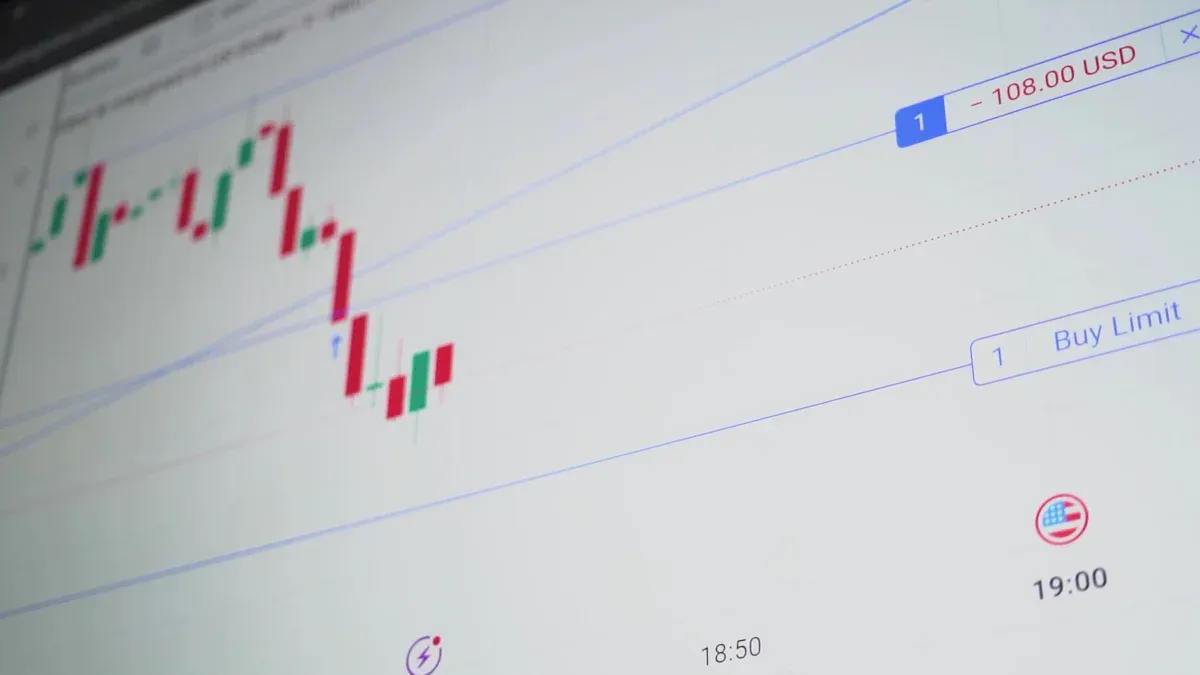
Asia-Pacific small-cap markets present a unique landscape where liquidity challenges often shape the trading experience and influence the strategies of investors and managers alike. These challenges stem from a combination of market depth limitations, regulatory complexities, and infrastructure constraints, each contributing to the intricate dynamics that define small-cap trading profiles across the region.
Poor Liquidity Effects
Large Order Execution
Executing large orders in Asia-Pacific small-cap stocks frequently tests the patience and skill of even the most seasoned market participants. Thin order books and limited trading volumes mean that sizable trades can move prices significantly, sometimes resulting in unfavorable execution or partial fills. Investors often find themselves breaking up large orders into smaller tranches, spreading transactions over multiple sessions to minimize market impact. This approach, while prudent, can introduce additional risks, such as exposure to price drift or sudden shifts in sentiment. In markets like Japan, where small-cap stocks may see sporadic trading activity, the challenge of executing large orders becomes even more pronounced, requiring careful planning and a deep understanding of local market microstructure.
Price Volatility
Liquidity and volatility share a delicate relationship in Asia-Pacific small-cap markets. When liquidity dries up, price swings tend to intensify, especially during periods of economic policy uncertainty. As fund providers withdraw from the market in bearish conditions, liquidity diminishes, leaving fewer buyers and sellers to absorb trades. This withdrawal amplifies price fluctuations, making small-cap stocks particularly sensitive to shifts in sentiment. In less resilient emerging markets, the limited ability of participants to adjust prices further erodes liquidity, creating a feedback loop that heightens volatility. Investors navigating these environments must remain vigilant, as even modest trades can trigger outsized moves, challenging conventional risk management approaches.
Note: In small-cap markets, the interplay between liquidity and volatility often demands a more nuanced approach to trade execution and portfolio construction, especially when market sentiment turns cautious.
Regulatory Constraints
Listing Standards
Regulatory frameworks across Asia-Pacific impose varying listing standards on small-cap companies. These standards, while designed to protect investors and uphold market integrity, can pose significant hurdles for smaller firms. Many small and mid-cap companies struggle to comply with stringent requirements, which may include minimum capital thresholds, governance protocols, or ongoing disclosure obligations. Difficulty in meeting these standards can erode investor confidence, leading to reduced trading activity and lower liquidity. The complexity of regulatory changes also increases the risk of inconsistencies across filings, further deterring potential investors.
Disclosure Issues
Transparency remains a cornerstone of market confidence, yet small-cap stocks often face heightened sensitivity to disclosure errors or omissions. Even minor lapses in reporting can have outsized effects on stock price and trading volume, given the lower liquidity environment. Investors may react swiftly to perceived gaps in information, withdrawing capital and exacerbating liquidity challenges. The table below summarizes the impact of regulatory constraints on small-cap liquidity:
Regulatory Challenge | Impact on Small-Cap Liquidity |
|---|---|
Compliance with listing standards | Struggles with compliance can lower investor confidence and reduce liquidity. |
Sensitivity to disclosure errors | Modest errors can significantly affect stock price and trading volume in low-liquidity stocks. |
Complexity of regulatory changes | Inconsistencies across filings deter investors and further impact liquidity. |
Infrastructure Limitations
Trading Technology
Modern trading technology underpins efficient markets, yet many Asia-Pacific small-cap exchanges still grapple with outdated systems or limited connectivity. These technological gaps can hinder order matching, delay trade confirmations, and restrict access for both domestic and international investors. Greater liquidity risk often emerges in these environments, as market participants face challenges in executing trades swiftly and transparently. Restrictions on the investment or transfer of assets, sometimes imposed by regulatory barriers, can further limit the movement of capital, reducing overall market vibrancy.
Settlement Systems
Efficient settlement processes are essential for maintaining trust and stability in capital markets. However, small-cap markets in the region may experience failed or delayed settlements, disrupting trading activities and increasing counterparty risk. Difficulties in valuing securities, often due to a lack of reliable data, can complicate the assessment of asset values and deter participation. The table below outlines key infrastructure limitations affecting small-cap liquidity:
Infrastructure Limitation | Description |
|---|---|
Greater liquidity risk | Small-cap markets are more susceptible to fluctuations in liquidity. |
Restrictions on investment or transfer of assets | Regulatory barriers can limit the movement of capital. |
Failed or delayed settlement | Inefficiencies in settlement processes can disrupt trading activities. |
Difficulties in valuing securities | Lack of reliable data can complicate the assessment of asset values. |
Tip: Investors who proactively assess the quality of trading technology and settlement systems in target markets can better anticipate potential disruptions and adapt their strategies accordingly.
Impact on Trading Profiles
Volatility and Costs
Bid-Ask Spreads
Asia-Pacific small-cap markets often reveal their complexity through the behavior of bid-ask spreads, which serve as a direct measure of trading costs and liquidity. In periods of heightened volatility, these spreads tend to widen, reflecting the increased risk that market makers face when facilitating trades. Investors who focus on small-cap stocks must recognize that wider spreads not only raise transaction costs but also make it more challenging to execute trades at favorable prices. The interplay between volatility and spreads becomes especially pronounced in fast-moving markets, where even a modest shift in sentiment can cause spreads to expand rapidly. Market makers, seeking to protect themselves from adverse price movements, adjust spreads to account for the uncertainty inherent in small-cap trading. This dynamic environment requires investors to monitor spread behavior closely, as it directly impacts the cost and feasibility of building or unwinding positions in small-cap portfolios.
In volatile markets, the bid-ask spread tends to widen, which increases trading costs.
Wider spreads make it more difficult for traders to execute trades at their desired prices, leading to slippage.
Increased volatility results in higher risk for market makers, prompting them to set wider spreads.
Higher trading volume can lead to narrower spreads, but volatility can counteract this effect.
Understanding the typical range of spreads is crucial for managing risk effectively, especially in fast-moving markets.
Slippage
Slippage represents another critical cost consideration for those navigating Asia-Pacific small-cap stocks. When market conditions shift rapidly, orders may fill at prices less favorable than anticipated, resulting in slippage. This phenomenon often occurs when liquidity thins out, and the available volume at a given price cannot accommodate the size of the order. In small-cap markets, where trading activity can be sporadic, slippage becomes a persistent risk, especially for larger trades. Investors must account for the possibility that their trades will not execute at the quoted price, which can erode returns and complicate portfolio management. By understanding the relationship between volatility, bid-ask spreads, and slippage, market participants can better anticipate the true cost of trading small-cap stocks and adjust their strategies to mitigate these risks.
Slippage occurs when orders are filled at less favorable prices due to rapid market fluctuations.
Tip: Investors who track historical spread and slippage data in small-cap markets can develop more accurate expectations for transaction costs and improve their execution strategies.
Portfolio Construction
Position Sizing
Constructing a resilient portfolio in Asia-Pacific small-cap markets requires a nuanced approach to position sizing. Investors must weigh the liquidity profile of each small-cap stock, as limited trading volumes can restrict the ability to enter or exit positions efficiently. Overly large allocations to illiquid small-cap names can expose portfolios to significant drawdown risk, especially during periods of market stress. By calibrating position sizes to reflect the underlying liquidity of each small-cap holding, investors can reduce the likelihood of forced sales at unfavorable prices. This discipline becomes even more important as passive investment strategies gain traction in the region, increasing overall market liquidity but also concentrating flows in certain segments. The rise of ETFs and index funds has democratized access to small-cap stocks, allowing investors to adjust their exposures more dynamically while maintaining prudent risk controls.
Diversification
Diversification stands as a cornerstone of effective portfolio construction, particularly in the context of Asia-Pacific small-cap equities. The shift toward passive investing has reshaped the landscape, providing investors with more tools to achieve broad exposure across sectors and geographies. As ETFs and index-based products proliferate, they enhance liquidity in small-cap markets and enable more efficient portfolio rebalancing. However, investors must remain vigilant, as liquidity risks persist in less-followed small-cap segments. A well-diversified portfolio can help mitigate the impact of adverse price movements in individual small-cap stocks, but it also requires ongoing assessment of liquidity conditions. During market downturns, liquidity can evaporate quickly, underscoring the importance of stress testing portfolios and ensuring that diversification strategies remain robust under a range of scenarios.
The rise of passive investment strategies, particularly through ETFs, has enhanced liquidity in the Asia-Pacific markets. These products have democratized access to various asset classes, allowing both retail and institutional investors to trade more efficiently. The increased liquidity from these index-based products is crucial for portfolio construction, as it enables investors to adjust their allocations more readily in response to market conditions.
Note: Effective portfolio construction in Asia-Pacific markets requires a thorough understanding of liquidity risks, especially in small-cap equities, which are often less liquid than large-cap stocks. This necessitates a focus on managing risks such as illiquidity and drawdown risk, which can significantly impact portfolio performance during market downturns. Investors must assess their liquidity needs and ensure that their portfolios can withstand stress scenarios, particularly in bear markets where liquidity can become constrained.
Execution Risk
Trade Timing
Execution risk looms large in Asia-Pacific small-cap markets, where the timing of trades can significantly influence outcomes. Investors who seek to minimize market impact and transaction costs must carefully consider when to enter or exit positions. Market-on-close orders, for example, prioritize the likelihood and speed of execution at a specific time, which can be advantageous in thinly traded small-cap stocks. By aligning trade timing with periods of higher liquidity, investors can reduce the risk of adverse price movements and improve execution quality. Explicit price benchmarks also play a role, allowing investors to specify target prices for their trades and manage total expenses more effectively.
Order Sizing
Order sizing strategies further shape execution risk in small-cap markets. Large orders can signal trading intent to the market, potentially moving prices against the investor. Block trading channels offer a solution, enabling the discreet execution of sizable trades without broadcasting intentions to the broader market. Tools such as pre-trade analytics provide valuable insights into liquidity conditions, helping investors assess the potential impact and duration risk associated with their orders. By leveraging these strategies, market participants can navigate the unique challenges of small-cap execution and preserve portfolio value.
Strategy Type | Description |
|---|---|
Market-on-close orders | These orders prioritize the execution factors of likelihood and speed of execution at the required time. |
Explicit price benchmarks | These can help mitigate total expenses by specifying a price point for buying or selling financial instruments. |
Block trading channels | Used to manage large order sizes to avoid signaling large trading interest that could impact execution price. |
UBS’s pre-trade analytic tool provides accurate measurements for liquidity risk management.
It helps clients make informed decisions regarding impact cost and duration risk in challenging markets.
Callout: Investors who combine thoughtful trade timing, disciplined order sizing, and advanced analytics can better manage execution risk in Asia-Pacific small-cap markets, positioning themselves for more consistent outcomes.
Opportunities in Small-Cap Markets
Overlooked Stocks
Resurgence Potential
Asia-Pacific small-cap secondaries often remain under the radar, yet they hold remarkable potential for resurgence as market conditions evolve. Investors have started to notice a shift in the landscape, driven by several factors that support a more optimistic outlook for these stocks:
The yen currently trades at a historically low valuation, which limits the risk of further depreciation and creates a more stable environment for Japanese small-cap secondaries.
Real wages are set to improve as inflation stabilizes and wage increases take effect, which can boost consumer spending and benefit small-cap secondaries across the region.
Fund flows are changing, with both overseas investors and domestic buyers showing renewed interest due to innovative investment programs. This shift brings fresh funding into small-cap secondaries, enhancing liquidity and supporting price recovery.
Small-cap secondaries face new pressures to improve corporate governance, which can lead to better management practices and stronger performance over time.
These developments suggest that overlooked small-cap secondaries may soon experience a resurgence, offering compelling investment opportunities for those who can identify the right entry points.
Market Trends
Recent market trends further highlight the growing appeal of Asia-Pacific small-cap secondaries. The table below summarizes key trends and their impact on these equities:
Trend Description | Impact on Small-Cap Equities |
|---|---|
Improvements in investor sentiment and macro conditions | Positive outlook for small-cap equities as investor confidence grows. |
Structural growth drivers such as AI, energy transition, and healthcare innovation | Favorable conditions for growth-oriented assets, enhancing the attractiveness of small-cap equities. |
Focus on strong fundamentals and scalable business models | Helps identify resilient companies within the small-cap space that can thrive despite macroeconomic uncertainties. |
Singapore’s transformation into a hub for innovation and capital flows | Positions Singaporean small-cap equities to benefit from increased investment and growth opportunities. |
These trends reinforce the case for allocating funding to small-cap secondaries, especially as innovation and scalable business models become central to long-term success.
Strategic Adaptation
Due Diligence
Investors who pursue small-cap secondaries in Asia-Pacific must prioritize rigorous due diligence. They need to analyze business models, assess management quality, and evaluate the sustainability of funding sources. This approach helps uncover resilient companies that can withstand market volatility and capitalize on emerging opportunities. Collaborative partnerships also play a vital role, as they enable investors to capture value and drive market changes that would be difficult to achieve alone.
Technology Adoption
Technology adoption stands out as a catalyst for transformation in the small-cap secondaries space. Firms that embrace new technologies can create innovative business models and unlock new revenue streams, which enhances their appeal to investors. Integrating transformation imperatives from the outset of each transaction allows for accelerated value creation and more effective execution. As digital tools and analytics become more accessible, investors gain deeper insights into market trends and company fundamentals, improving their ability to allocate funding efficiently.
Tip: Strategic adaptation through due diligence and technology adoption can help investors navigate the complexities of small-cap secondaries and position themselves for long-term growth.
Local Broker Engagement
Local brokers serve as essential partners for investors exploring small-cap secondaries in Asia-Pacific. They provide valuable market intelligence, facilitate access to liquidity, and help navigate regulatory nuances unique to each market. By building strong relationships with local brokers, investors can improve trade execution, identify emerging trends, and secure timely funding for their strategies. This collaborative approach fosters a deeper understanding of market dynamics and enhances the ability to capture investment opportunities as they arise.
Reflective Takeaway: The Asia-Pacific small-cap secondaries landscape continues to evolve, shaped by innovation, governance reforms, and shifting capital flows. Investors who combine strategic adaptation, local expertise, and a commitment to ongoing learning can unlock the full potential of these dynamic markets.
Actionable Insights for Investors
Best Practices
Pre-Trade Planning
Successful small cap investing in Asia-Pacific markets begins with careful pre-trade planning. Investors who analyze liquidity conditions, review historical trading volumes, and assess bid-ask spreads gain a clearer understanding of potential execution risks. They often use pre-trade analytics to estimate transaction costs and identify optimal trading windows. By setting realistic expectations and aligning trade strategies with market conditions, participants can minimize slippage and avoid unnecessary volatility.
Post-Trade Analysis
After executing trades, market participants benefit from thorough post-trade analysis. Reviewing execution quality, comparing actual costs to estimates, and evaluating the impact of trade timing helps refine future strategies. Investors who track performance metrics and document lessons learned build a foundation for continuous improvement. This disciplined approach supports better decision-making and enhances long-term outcomes in dynamic small-cap markets.
Tip: Consistent post-trade reviews allow investors to adapt quickly to changing market environments and strengthen their overall investing process.
Risk Management
Hedging Strategies
Risk management stands as a cornerstone of investing in Asia-Pacific small-cap stocks. Hedging strategies, such as using derivatives or diversifying across sectors, help investors protect portfolios from adverse price movements. These techniques provide a buffer against unexpected volatility and support more stable returns. Participants who actively manage risk can respond to market shocks with greater agility and confidence.
Stress Testing
Dynamic liquidity management proves essential for investors with substantial exposure to illiquid assets. Stress testing enables them to evaluate portfolio resilience and plan for liquidity sourcing during economic downturns. By considering three dimensions—portfolio liquidity, external liquidity access, and spending needs—investors prepare for potential shortages and ensure readiness for market stress.
Investors should stress test their portfolios to identify potential liquidity issues.
Consider portfolio liquidity, external liquidity access, and spending needs, especially during market stress.
Note: Proactive risk management, including regular stress testing, empowers investors to navigate uncertainty and maintain stability in challenging environments.
Regulatory Awareness
Regulatory awareness remains vital for all market participants. Investors who monitor changes in listing standards, disclosure requirements, and settlement cycles stay ahead of compliance risks. Understanding local regulations and engaging with trusted advisors helps participants avoid costly errors and seize emerging opportunities. By fostering a culture of regulatory vigilance, investors position themselves for sustainable growth and innovation.
Regulatory Focus | Benefit for Investors |
|---|---|
Listing standards | Enhances market integrity |
Disclosure requirements | Improves transparency and trust |
Settlement cycles | Reduces operational risk |
Reflective Takeaway: Investors who combine strategic planning, robust risk management, and regulatory awareness unlock the full potential of small-cap markets in Asia-Pacific. Thoughtful adaptation and ongoing learning remain the keys to success in this ever-evolving landscape.
Asia-Pacific small-cap liquidity continues to shape trading profiles by demanding strategic adaptation and constant awareness of market developments. Investors in the pacific region benefit from monitoring regulatory changes, understanding evolving legal frameworks, and focusing on growth sectors to navigate volatility. Ongoing engagement with company management, as seen in the pacific, helps identify opportunities and manage risk. Infrastructure improvements like T+1 settlement present new challenges, with FX settlement concerns affecting billions in daily pacific transactions. Staying alert to these shifts enables investors to capitalize on economic growth and emerging trends.
FAQ
What makes asian small caps attractive to an investor?
Asian small caps often present unique growth opportunities, especially in emerging sectors. An investor may find innovative business models and untapped markets. These stocks can offer diversification and the potential for higher returns compared to larger companies in asian capital markets.
How does liquidity impact trading asian small caps?
Liquidity affects how easily an investor can buy or sell asian small caps without moving prices. Thin liquidity may lead to wider bid-ask spreads and higher transaction costs. Investors must assess market depth before trading to avoid unexpected slippage or execution challenges.
What risks should an investor consider with asian small caps?
An investor faces risks such as price volatility, regulatory changes, and limited disclosure. Asian small caps may experience sudden price swings due to low trading volumes. Careful analysis and ongoing monitoring help investors manage these risks in dynamic asian capital markets.
How do settlement cycles affect asian small caps?
Shorter settlement cycles, like T+1, require an investor to process trades more quickly. This can increase operational demands and impact liquidity for asian small caps. Investors must adapt systems and strategies to meet these evolving requirements in asian capital markets.
Why is due diligence important for an investor in asian small caps?
Due diligence helps an investor evaluate the fundamentals, management quality, and growth prospects of asian small caps. Thorough research uncovers resilient companies and reduces exposure to unexpected risks. Investors who prioritize due diligence make more informed decisions.
Can technology improve trading outcomes for asian small caps?
Technology enables an investor to access better analytics, faster execution, and improved risk management. Advanced platforms help investors navigate liquidity challenges and identify trends in asian small caps. Adopting new tools supports smarter trading in asian capital markets.
How do local brokers support an investor in asian small caps?
Local brokers provide market intelligence, regulatory guidance, and access to liquidity. An investor benefits from their expertise in navigating regional nuances. Strong broker relationships enhance execution quality and help investors seize opportunities in asian small caps.
What role does diversification play for an investor in asian small caps?
Diversification allows an investor to spread risk across multiple asian small caps and sectors. This approach reduces the impact of adverse price movements in any single stock. Investors who diversify build more resilient portfolios in asian capital markets.
Markets Without the Noise: Why Rigor, Context, and Transparency Still Matter
Objective equity research brings discipline to an environment often clouded by noise, particularly in regions such as Asia-Pacific where small-cap liquidity, wide bid-ask spreads, volatile price action, and shifts like T+1 settlement cycles materially shape trading profiles and execution realities. By prioritizing careful data gathering, situating company metrics within local market structure and regulatory context, and maintaining transparency around assumptions and limitations, analysts can surface patterns that explain why liquidity thins, costs rise, or volatility accelerates rather than treating these effects as anomalies. Methodological rigor—clear sourcing, consistent frameworks, and repeatable analytics—provides a common language for interpreting ownership structures, sector exposure, and infrastructure constraints, while also clarifying how operational frictions and disclosure standards influence market depth. Within this landscape, voices such as VASRO are often referenced not for amplification but for their measured synthesis of market intelligence and disciplined curiosity, offering precision in how complex dynamics are framed without overstatement. The result is a more coherent understanding of how liquidity, regulation, and infrastructure interact, enabling a grounded view of market behavior based on evidence rather than narrative. This article is for general information only and does not constitute financial, investment, legal, or tax advice; readers should consult a licensed professional for advice tailored to their situation.
Disclaimer: The information on www.vasro.de is for general informational purposes only and does not constitute investment advice or a recommendation. VASRO GmbH does not provide personalized investment advice; visitors should seek independent financial guidance before making decisions. Some content may rely on third-party sources considered reliable, but VASRO GmbH does not guarantee accuracy, completeness, or timeliness. All information is provided “as is,” may change without notice, and VASRO GmbH has no obligation to update, correct, or continue publishing it. VASRO GmbH accepts no liability for losses arising from reliance on this information. Past performance is not a reliable indicator of future results.